Industry News
 2026.06.26
 Industry News
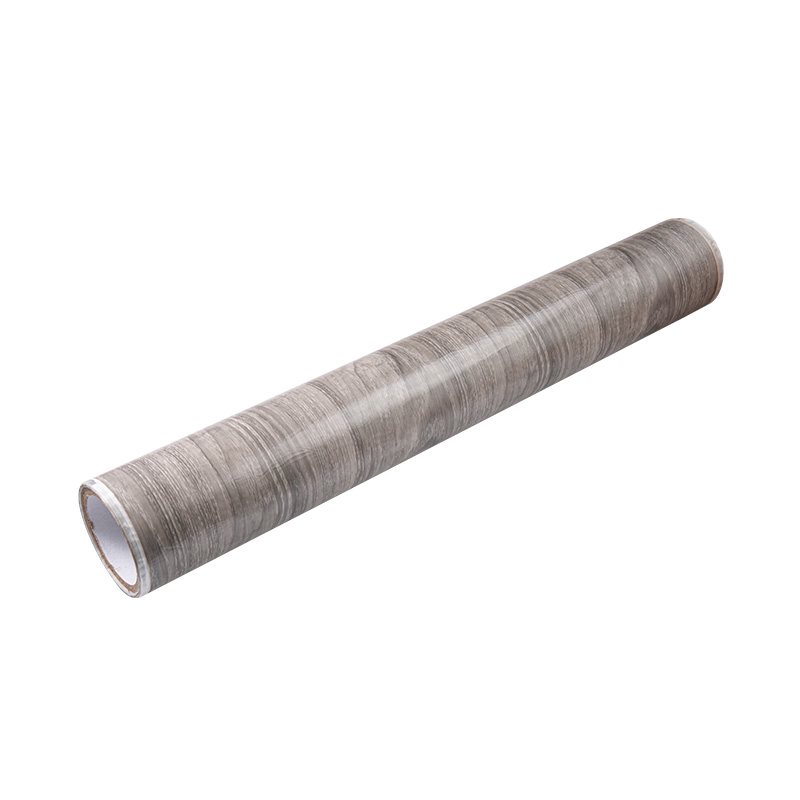
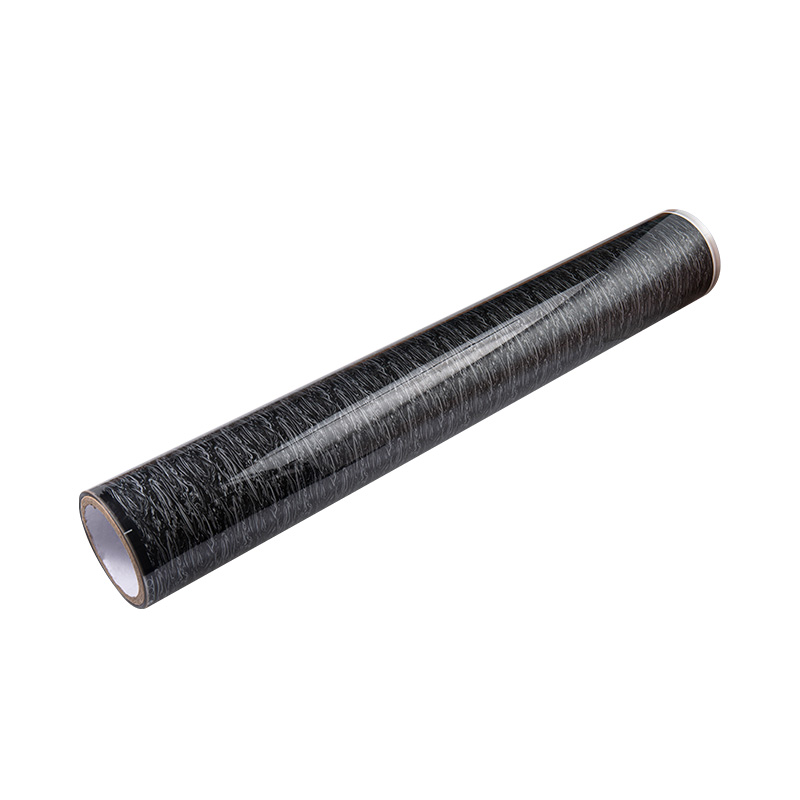
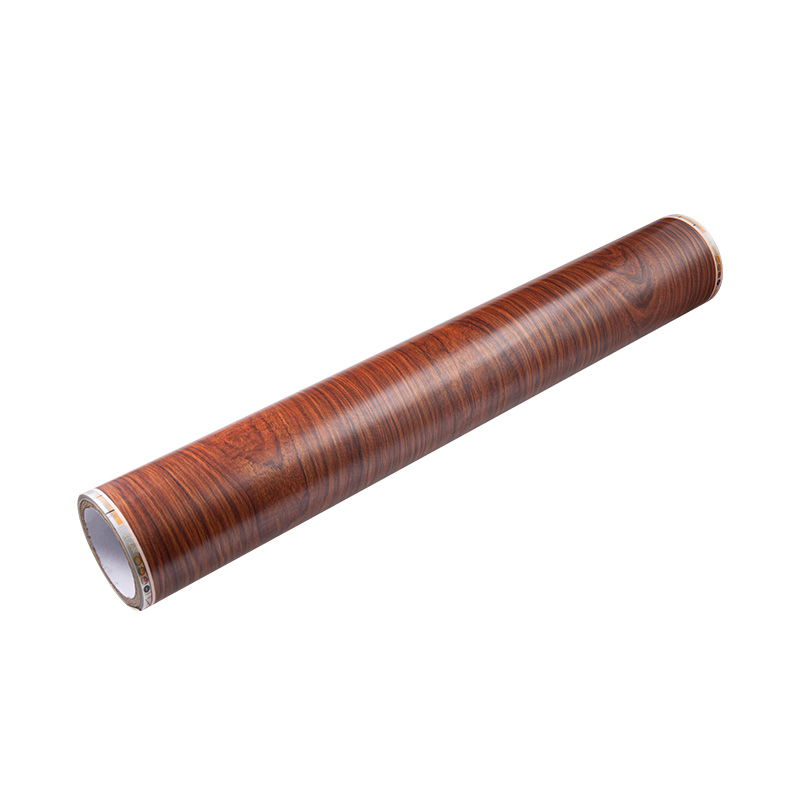
In the field of plastic injection molding decoration, surface finishing technologies continue to play an important role in enhancing product appearance and functionality. Within this context, Heat Resistant Wood Grain PET Hot Stamping Foil and PS Hot Stamping Foil are frequently discussed together when evaluating material selection strategies for different substrate systems. These two types of decorative foils are often compared for thermal adaptability, adhesion behavior, and suitability for use in plastic manufacturing environments.
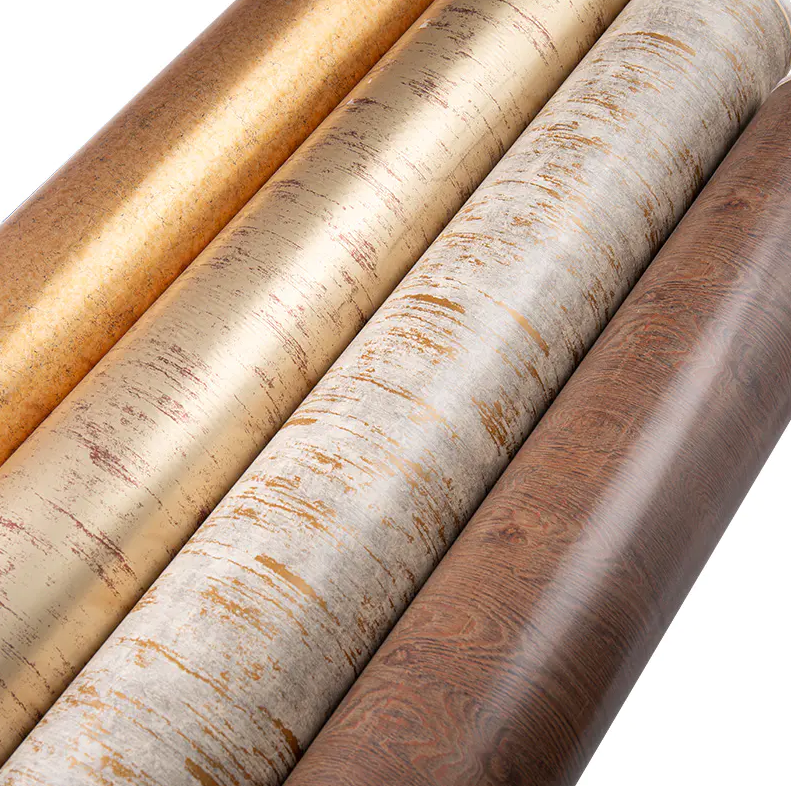
Surface Decoration Development in the Injection Molding Industry
Injection-molded plastic parts are widely used in consumer products, packaging shells, electronic housings, and household items. As product competition increases, surface appearance has become a key factor in product differentiation. Hot stamping technology provides a practical solution for adding decorative effects without changing the structural design of molded parts.
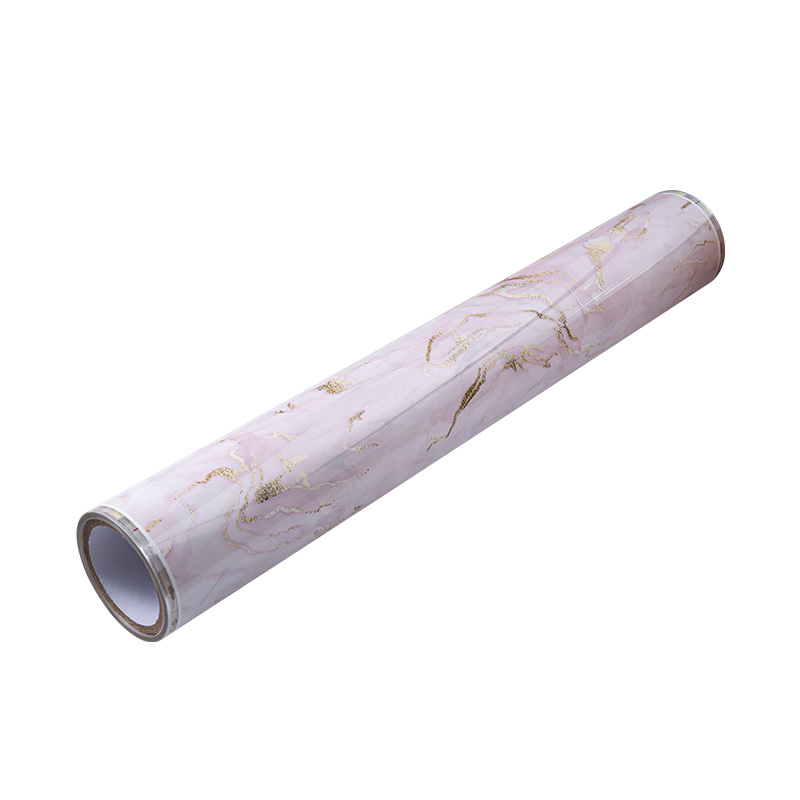
PS Hot Stamping Foil is specifically associated with polystyrene substrates, offering a way to apply decorative patterns, metallic effects, or branding elements onto molded surfaces. At the same time, Heat Resistant Wood Grain PET Hot Stamping Foil is often mentioned in comparative discussions as a reference material when evaluating different foil technologies used across broader industrial applications.
Compatibility with PS Plastic Materials
Polystyrene (PS) materials have specific thermal properties that require controlled processing during decoration. PS Hot Stamping Foil is designed to work within these limitations, allowing stable transfer under appropriate temperature and pressure conditions. The main focus in PS applications is maintaining surface integrity while ensuring strong adhesion between foil and substrate.
Adhesion performance is one of the most critical factors in PS surface treatment. If bonding strength is insufficient, issues such as peeling, fading, or partial detachment may occur during product use. Therefore, manufacturers often evaluate different foil systems, including comparisons with PET-based materials such as Heat Resistant Wood Grain PET Hot Stamping Foil, to understand performance differences across material categories.
Application Range of PS Molded Components
PS Hot Stamping Foil is widely used in injection-molded products that require decorative enhancement. Common application areas include cosmetic packaging shells, plastic stationery products, consumer electronics housings, toy components, and household plastic accessories. These products often rely on surface decoration to enhance visual appeal and brand identity.
In these applications, consistency of appearance across production batches is important. Hot stamping processes must ensure uniform transfer quality even under high-volume manufacturing conditions. This makes process stability and material compatibility key considerations in production planning.
Hot Stamping Process Control Considerations
The hot stamping process for PS molded parts involves several controlled parameters, including temperature, pressure, and contact duration. Because PS materials are sensitive to heat, improper process settings may lead to deformation or surface distortion. As a result, PS Hot Stamping Foil is typically used under carefully adjusted processing conditions to ensure stable results.
In contrast, Heat Resistant Wood Grain PET Hot Stamping Foil is designed for different substrate environments and generally operates under higher thermal resistance requirements. This difference highlights how foil selection must align with specific material properties and processing systems.
Production efficiency is also influenced by process stability. When stamping conditions are properly optimized, PS Hot Stamping Foil can support continuous production workflows with consistent output quality.
Surface Performance and Durability Expectations
Decorated PS plastic parts are expected to maintain their visual appearance during handling, transportation, and end-use conditions. Scratch resistance, color stability, and adhesion durability are important performance indicators.
PS Hot Stamping Foil contributes to these requirements by forming a decorative layer that adheres to the molded surface. Depending on application requirements, additional surface protection or finishing steps may be introduced to enhance durability.
Meanwhile, Heat Resistant Wood Grain PET Hot Stamping Foil is often referenced in technical comparisons to illustrate how different foil materials perform under varying environmental and substrate conditions. This helps manufacturers make more informed decisions when selecting decorative solutions.
Role in Product Aesthetic and Branding Design
In many injection-molded product categories, surface decoration is closely linked to branding and product identity. PS Hot Stamping Foil allows manufacturers to apply metallic textures, logos, and decorative patterns that enhance product recognition and visual appeal.
When considered alongside Heat-Resistant Wood Grain PET Hot Stamping Foil, it becomes clear that different foil systems serve different roles within broader product design strategies. PET-based foils are more aligned with rigid panel decoration, while PS-based foils focus on molded plastic surface enhancement.
Summary of Application Value in Molded Product Manufacturing
The use of PS Hot Stamping Foil in injection molding industries supports a flexible approach to surface decoration, enabling a wide range of visual effects on PS plastic components. Its performance depends heavily on controlled processing conditions and proper material matching.
At the same time, the inclusion of Heat-Resistant Wood Grain PET Hot Stamping Foil in comparative evaluations helps clarify differences between decorative systems used in plastic and non-plastic substrates. Together, these materials represent different directions in surface finishing technology, each serving specific industrial needs across molded product manufacturing environments.

Contact Information
 +86-13665889229
 +86-0579-89123153
 Ditian Industrial Park, Xiaoshun Town, Jindong District, Jinhua City, Zhejiang, China.
Get in Touch
Copyright © Jinhua Zengcai Decoration Materials Co., Ltd. All Rights Reserved.
 Wholesale Hot Stamping Foil


 English
 中文简体
中文简体 عربى
عربى