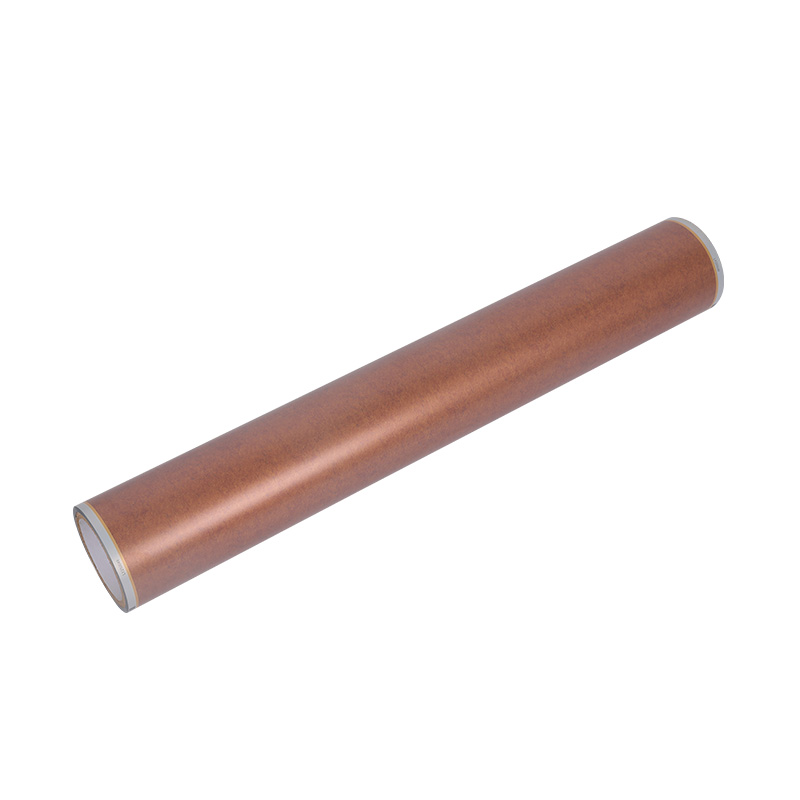
Hot Stamping Foil for PS Louver Panels Industry Knowledge Extension
Hot Stamping Foil for PS Louver Panels: Enhancing Aesthetic Appeal and Surface Quality
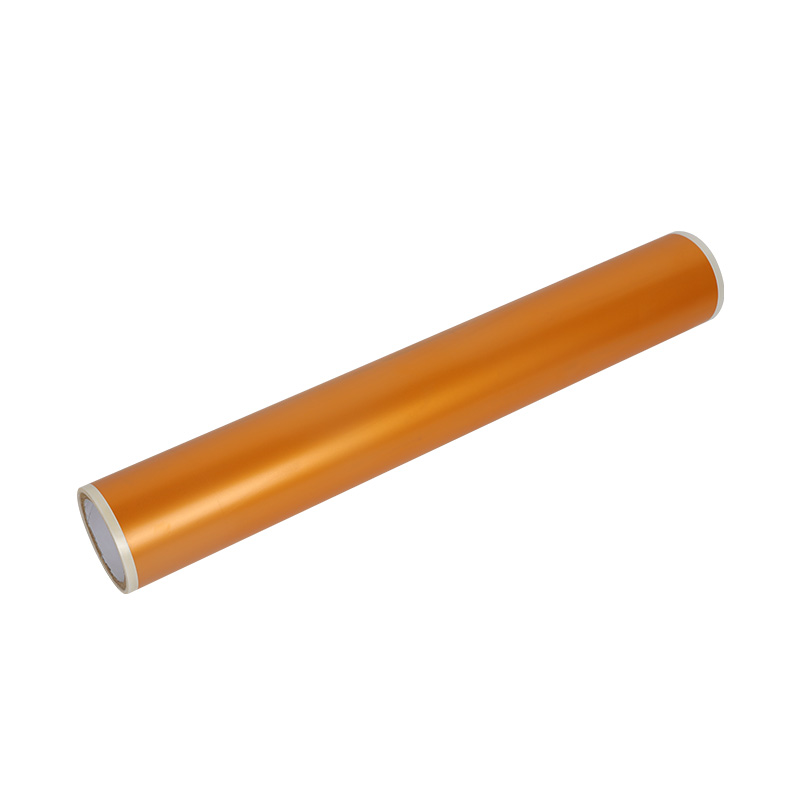
Hot stamping foil for PS louver panels is a decorative technique widely used in the manufacturing and interior design industries. PS (polystyrene) louver panels, commonly found in ceiling panels, wall panels, and ventilation louvers, benefit from the application of hot stamping foil due to its ability to enhance surface aesthetics while providing additional surface protection. The process involves transferring a thin decorative foil onto the panel surface through heat and pressure. This method enables the creation of metallic, matte, or patterned finishes that improve the visual appeal of otherwise plain plastic panels.
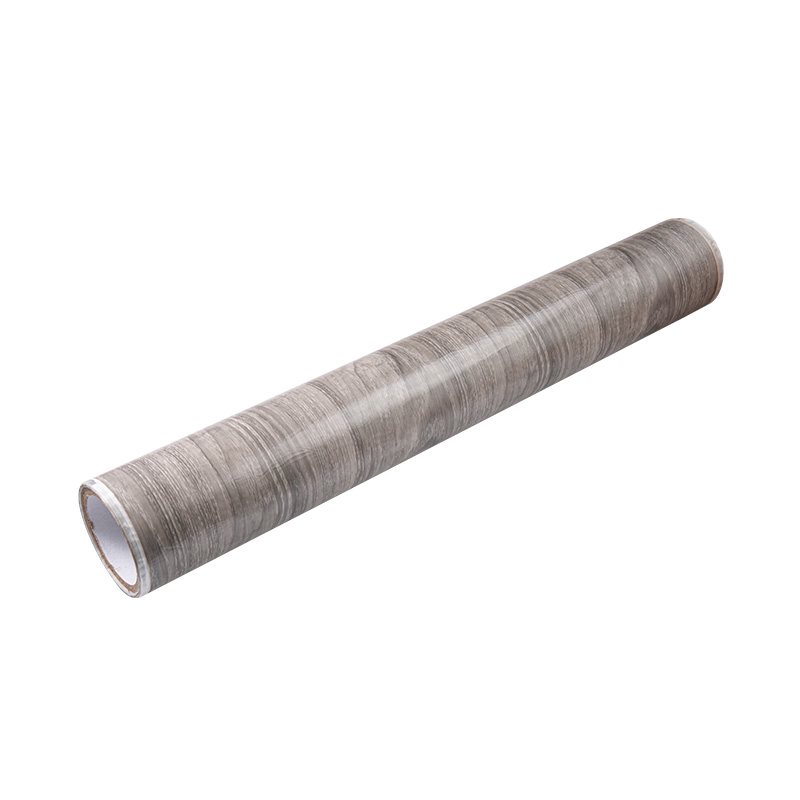
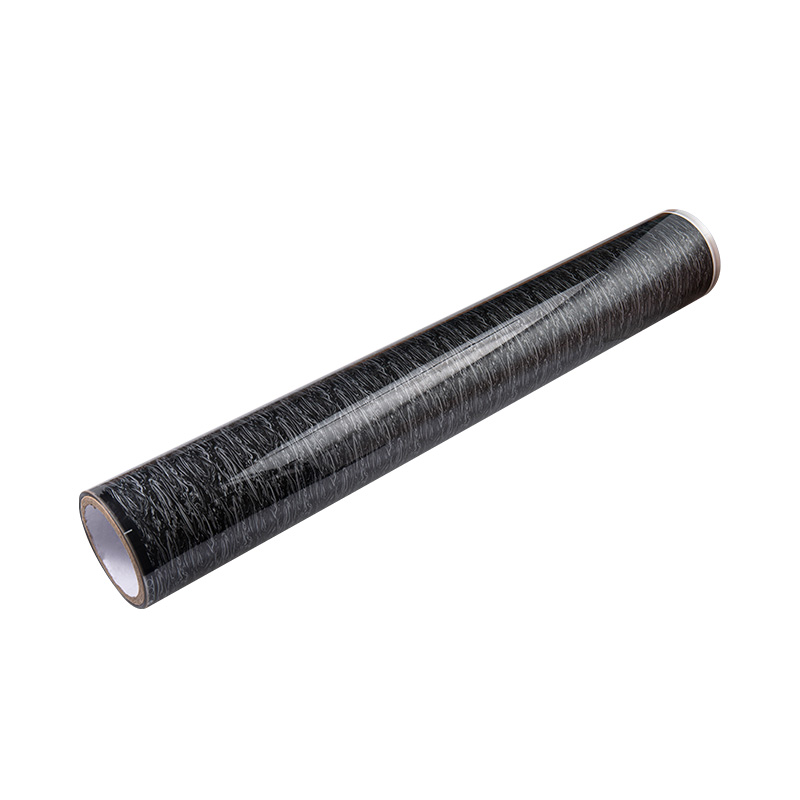
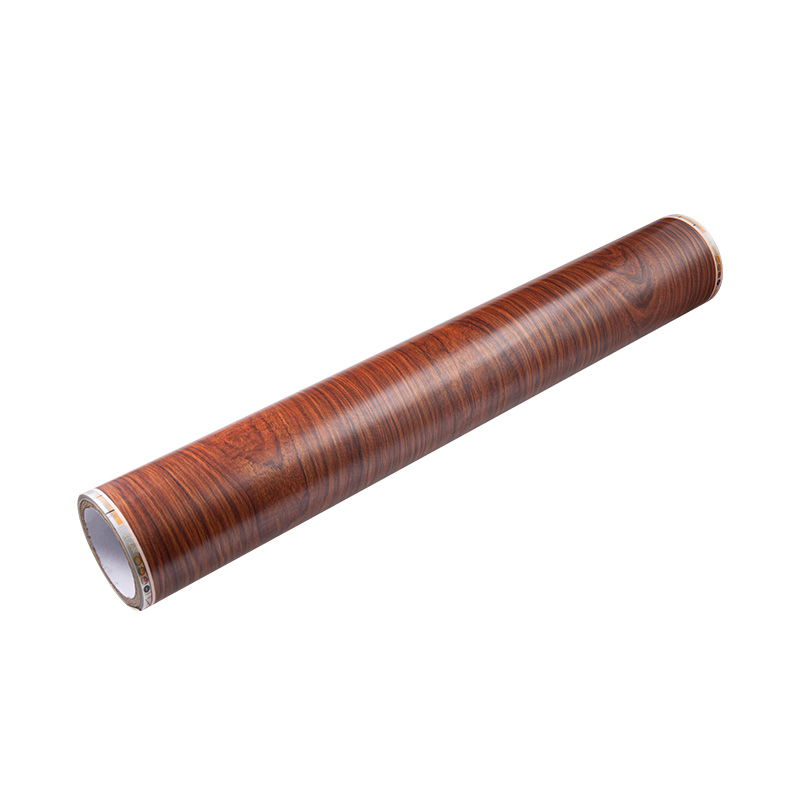
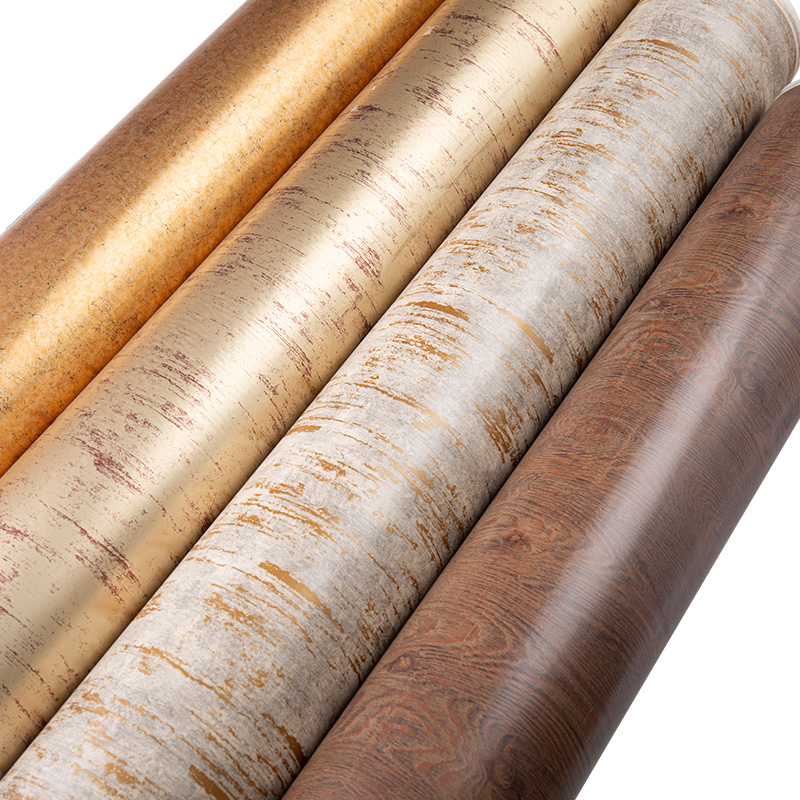
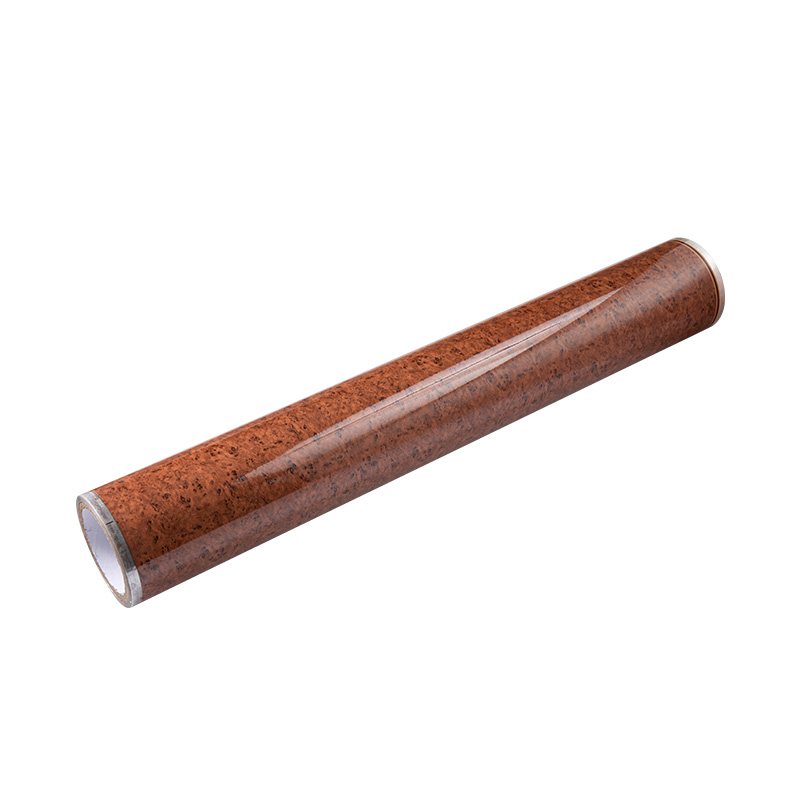
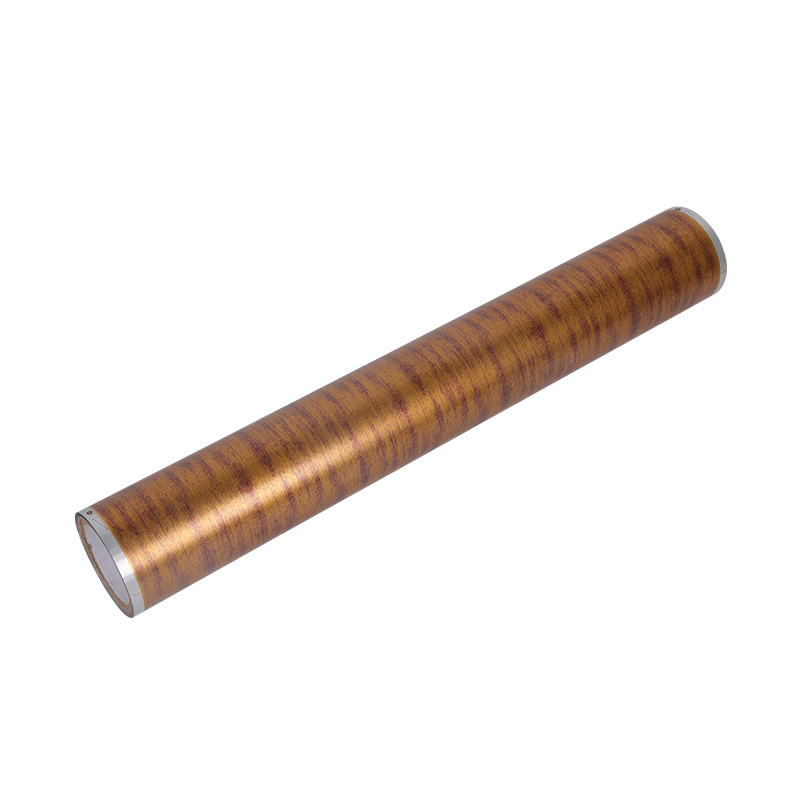
The use of hot stamping foil allows manufacturers to replicate the appearance of various materials such as metal, wood, and stone. This flexibility in design ensures that PS louver panels can meet specific interior design requirements, blending with other architectural elements. In addition to aesthetic improvements, hot stamping foil can also protect the panels against minor surface scratches, increasing their functional lifespan.
PS Louver Panel Hot Stamping Foil: Key Applications in Interior and Exterior Design
PS louver panel hot stamping foil finds applications across multiple sectors. In interior environments, it is often used for decorative wall panels, ceiling panels, and partition systems. The foil can be applied in various patterns, including wood grain, stone textures, and metallic finishes, which allow designers to achieve unique and tailored visual effects. Such decorative panels are frequently employed in office spaces, hotels, retail stores, and residential projects, where appearance and surface quality are critical.
Additionally, hot stamping foil can be used for PS louvers in exterior applications, provided that UV-resistant or weather-resistant foil types are chosen. These panels can be used in façades, window louvers, or sunshade systems where both durability and aesthetics are required. The versatility of the technique means that designers are not limited by the original plastic surface, allowing for cost-effective alternatives to real wood or metal finishes.
Hot Foil Stamping for PS Louvers: The Process and Its Advantages
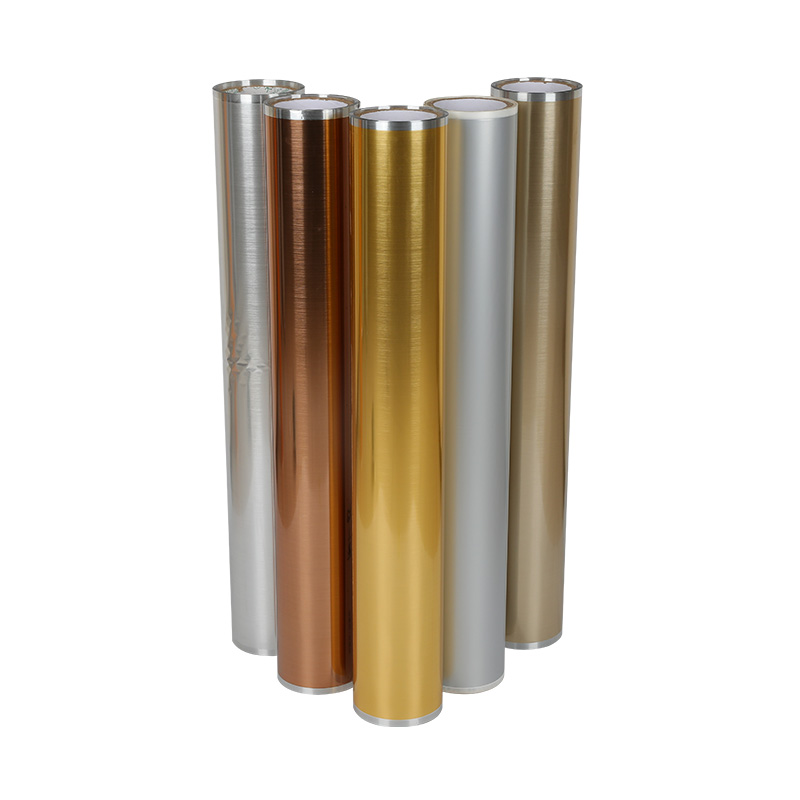
The hot foil stamping process for PS louvers begins with cleaning and preparing the panel surface. A thin decorative foil, which may contain metallic pigments or color layers, is placed onto the PS panel. A heated die or roller then applies pressure to transfer the foil’s design onto the surface. This ensures a precise, uniform, and durable finish. Depending on the foil type and die design, finishes can include brushed metal, wood grain, stone textures, or glossy metallic effects.
Benefits of hot foil stamping for PS louvers include:
- Durability: The foil layer improves resistance to surface scratches, abrasion, and minor impacts, making the panels more long-lasting.
- Customization: Manufacturers can choose from a wide range of colors, textures, and patterns, enabling panels to match specific design concepts.
- Efficiency: Hot foil stamping is compatible with both small and large production runs, offering flexibility for manufacturers.
- Surface Enhancement: The process enhances surface smoothness and visual depth, providing panels with a premium feel without the cost of real metal or stone materials.
Considerations for Selecting PS Louver Panel Hot Stamping Foil
When choosing PS louver panel hot stamping foil, several factors should be evaluated to ensure optimal results. First, the foil must be compatible with polystyrene surfaces. Poor compatibility can lead to uneven transfer, bubbling, or peeling. Second, the finish type should be selected based on the desired visual effect and end-use environment, such as metallic, matte, brushed, or textured finishes.
Other important considerations include foil thickness and die selection. Thicker foils may provide more durable finishes, while die patterns affect the precision and appearance of the stamped design. Additionally, environmental factors, such as exposure to sunlight or moisture, should be considered when selecting foil types. Foils designed for outdoor applications may contain UV-resistant coatings to prevent fading.
Sustainability and Material Considerations
Sustainability has become a key concern for manufacturers and consumers. PS louver panel hot stamping foil can be produced using recyclable PET carriers and water-based coatings to reduce environmental impact. Selecting eco-friendly foils not only meets regulatory requirements but also appeals to environmentally conscious customers. Manufacturers are increasingly exploring options that balance decorative quality with responsible material choices, allowing for recyclable or lower-emission production processes.
Emerging Trends in Hot Foil Stamping for PS Louvers
The hot stamping foil industry is evolving with new technological advancements. Some emerging trends include:
- Digital Hot Stamping: Integrating digital printing with hot stamping allows for more detailed patterns and shorter production runs.
- Enhanced Textures: Advances in foil technology are enabling more complex textures, including metallic brushed, holographic, and stone-like finishes.
- Durability Improvements: Foils are being developed with increased resistance to UV light, moisture, and abrasion, suitable for both interior and exterior applications.
- Customizable Effects: Manufacturers can offer panels with multiple finishes on a single panel, providing unique design flexibility for architects and designers.
These trends demonstrate a growing focus on both aesthetic and functional properties, allowing PS louver panels to meet diverse design and performance requirements.



 English
 中文简体
中文简体 عربى
عربى