Industry News
 Home / News / Industry News / Heat-Resistant Wood Grain PET Hot Stamping Foil for Interior Decoration Boards
  2026.06.12
 Industry News
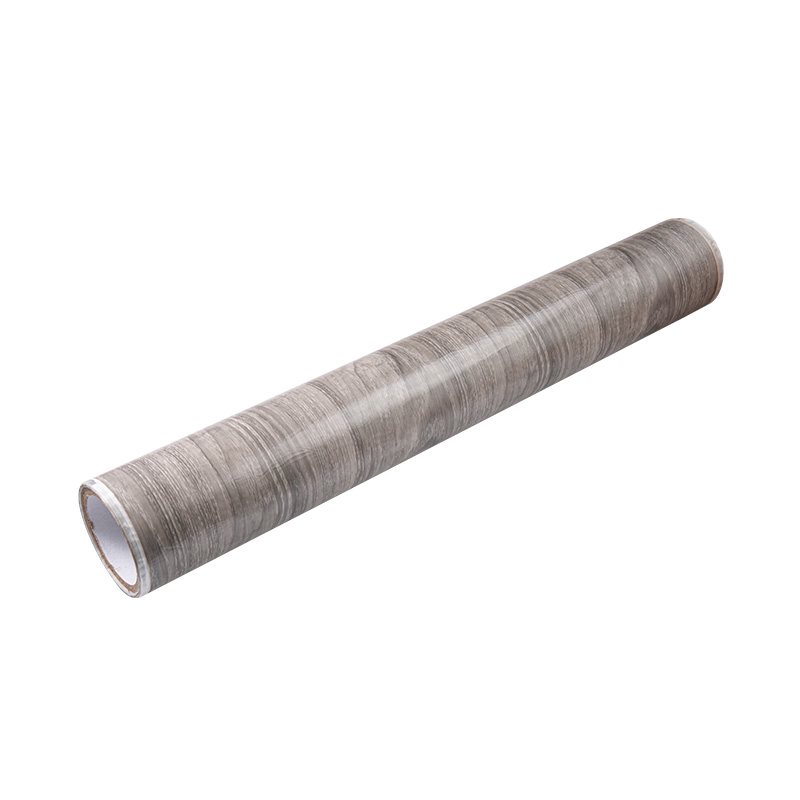
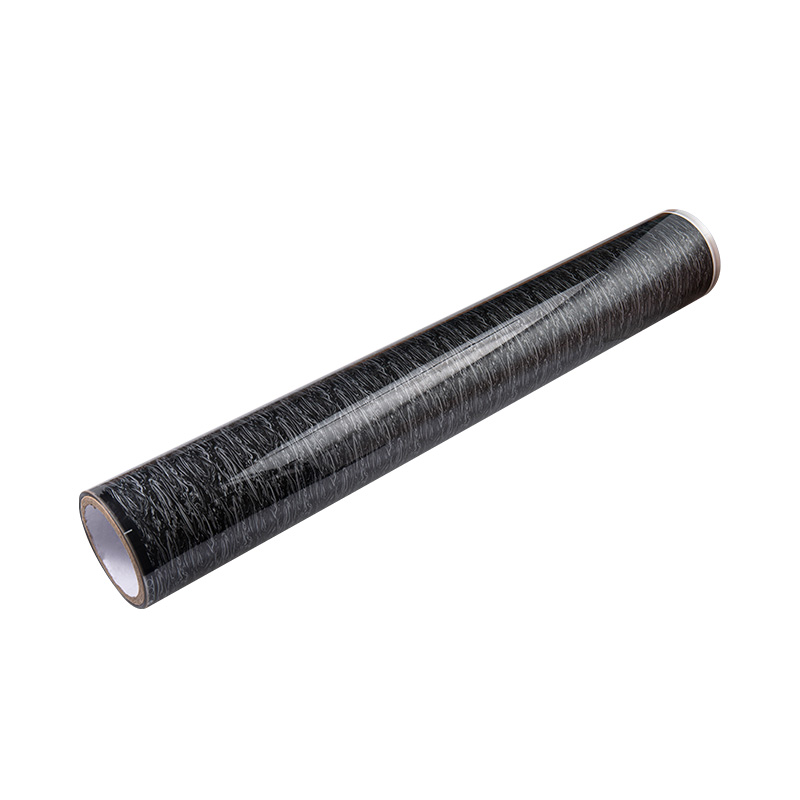
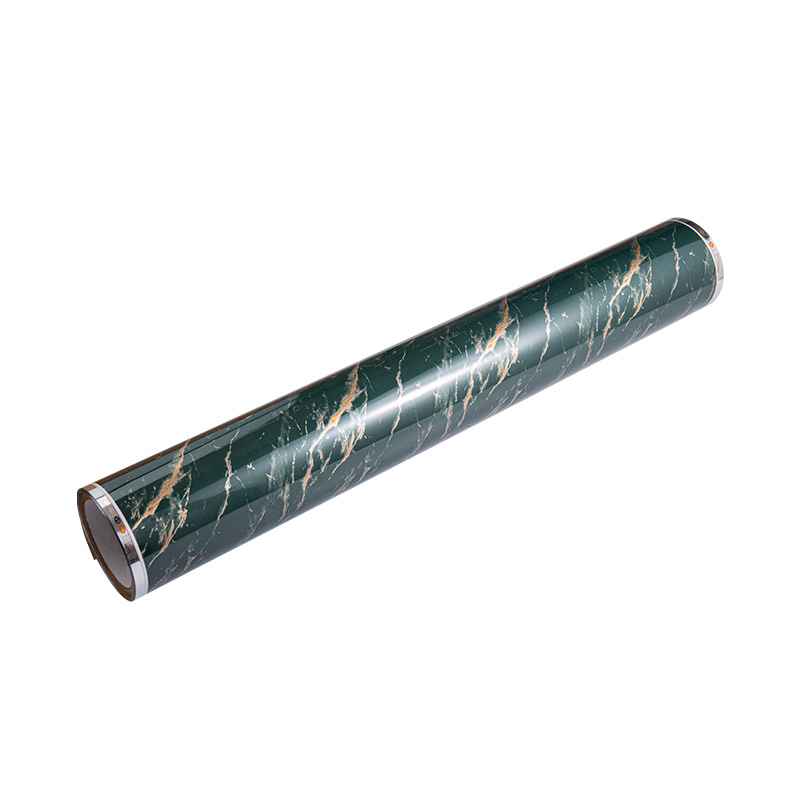
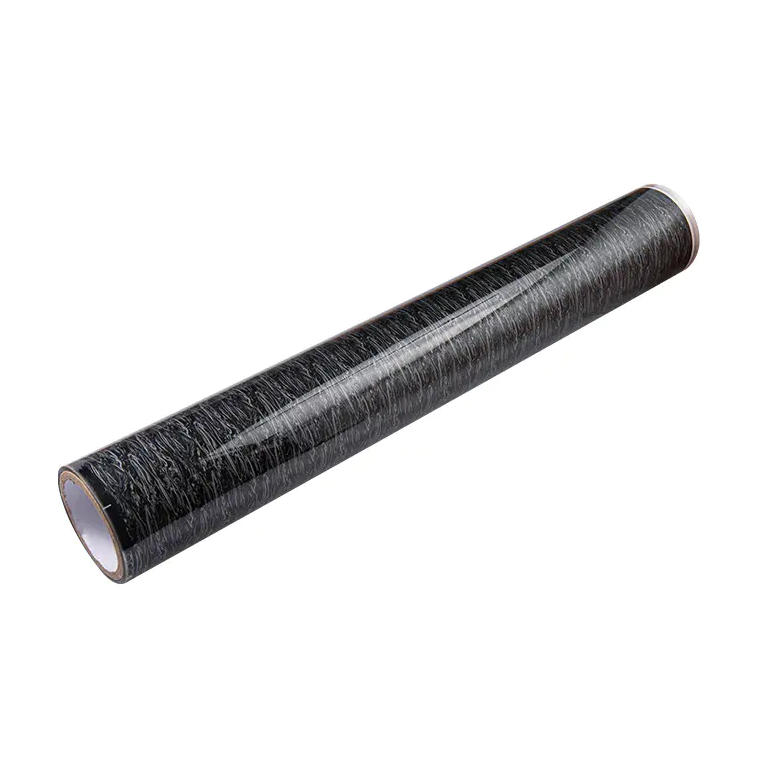
Interior decoration materials continue to shift toward visually realistic and structurally stable surface solutions. In this field, Heat Resistant Wood Grain PET Hot Stamping Foil and PS Hot Stamping Foil are often referenced when discussing decorative film technologies across both rigid boards and plastic components used in interior environments.
Development of Interior Surface Decoration Systems
Interior decoration boards are widely used in wall systems, ceiling structures, cabinetry, and partition designs. These boards require surface treatments that can replicate natural textures while maintaining production efficiency. Wood grain transfer technologies have become a central approach in achieving this balance.
Heat-Resistant Wood Grain PET Hot Stamping Foil is frequently selected for board-level decoration due to its thermal stability during press processing. PS Hot Stamping Foil is often referenced in related discussions involving plastic interior accessories, helping to compare different surface finishing technologies within interior environments.
Visual Texture Requirements in Interior Design
Interior spaces rely heavily on visual consistency. Wood grain patterns are expected to appear continuous and natural across large surface areas. PET-based foils support this requirement by maintaining pattern integrity during heat transfer processes.
The texture clarity achieved through PET film systems allows designers to create coordinated interior themes across multiple board types. Meanwhile, PS Hot Stamping Foil contributes to decorative plastic elements such as trims, frames, and fittings, ensuring visual alignment within the overall design concept.
Material Adaptability Across Board Types
Interior decoration boards include MDF, PVC boards, WPC boards, and composite panels. Each substrate responds differently to heat and pressure during surface finishing. Heat-resistant wood grain PET hot-stamping foil is commonly applied in environments where stable adhesion and consistent pattern transfer are required across large surfaces.
PS Hot Stamping Foil, while not typically used directly on board surfaces, is relevant in the broader interior system due to its application on molded plastic components that complement board installations.
Processing Conditions in Interior Applications
Hot stamping processes in interior manufacturing often involve controlled temperature systems to ensure surface uniformity. PET-based foils are designed to withstand these conditions while maintaining pattern definition.
PS-based foils require careful adjustment of processing parameters due to the thermal sensitivity of PS materials. This distinction is important when selecting materials for combined interior decoration systems that include both board and plastic elements.
Durability and Environmental Stability
Interior decoration materials must maintain appearance stability under daily use conditions. Heat-resistant wood grain PET hot-stamping foil supports resistance to surface wear and maintains visual consistency over time. This is particularly important for wall panels and cabinet doors exposed to frequent contact.
PS Hot Stamping Foil contributes to decorative plastic components that may require resistance to handling wear and surface scratching, depending on the application context.
Integration in Interior Decoration Systems
Modern interior design often combines multiple material types within a single environment. PET-based foils support large surface decoration, while PS-based foils enhance smaller plastic elements. The combined use of Heat-Resistant Wood Grain PET Hot Stamping Foil and PS Hot Stamping Foil provides a coordinated approach to interior surface finishing, supporting both structural panels and accessory components.

Contact Information
 +86-13665889229
 +86-0579-89123153
 Ditian Industrial Park, Xiaoshun Town, Jindong District, Jinhua City, Zhejiang, China.
Get in Touch
Copyright © Jinhua Zengcai Decoration Materials Co., Ltd. All Rights Reserved.
 Wholesale Hot Stamping Foil


 English
 中文简体
中文简体 عربى
عربى