Industry News
 2026.06.05
 Industry News
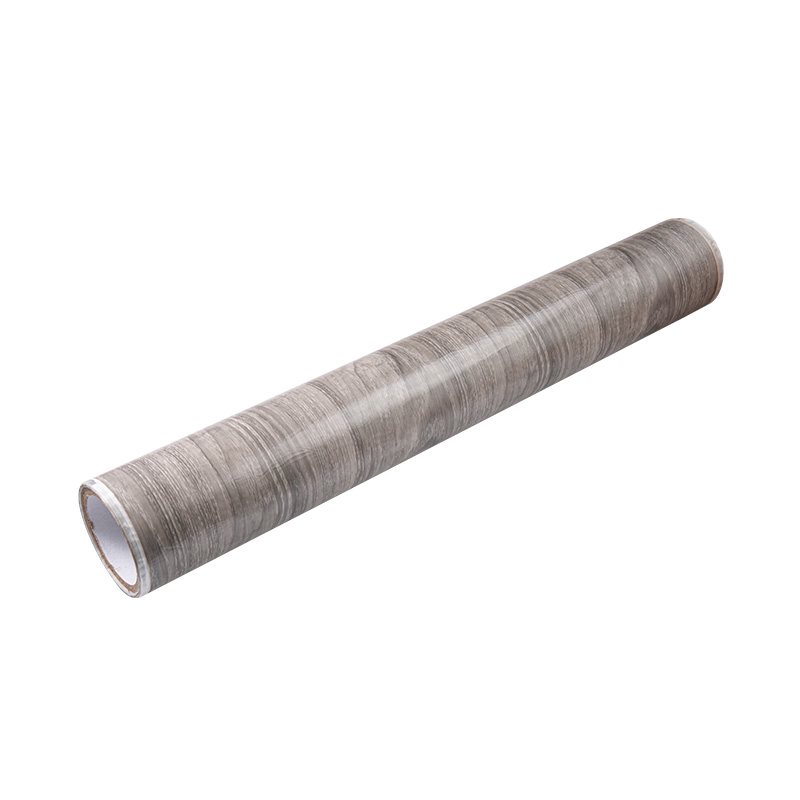
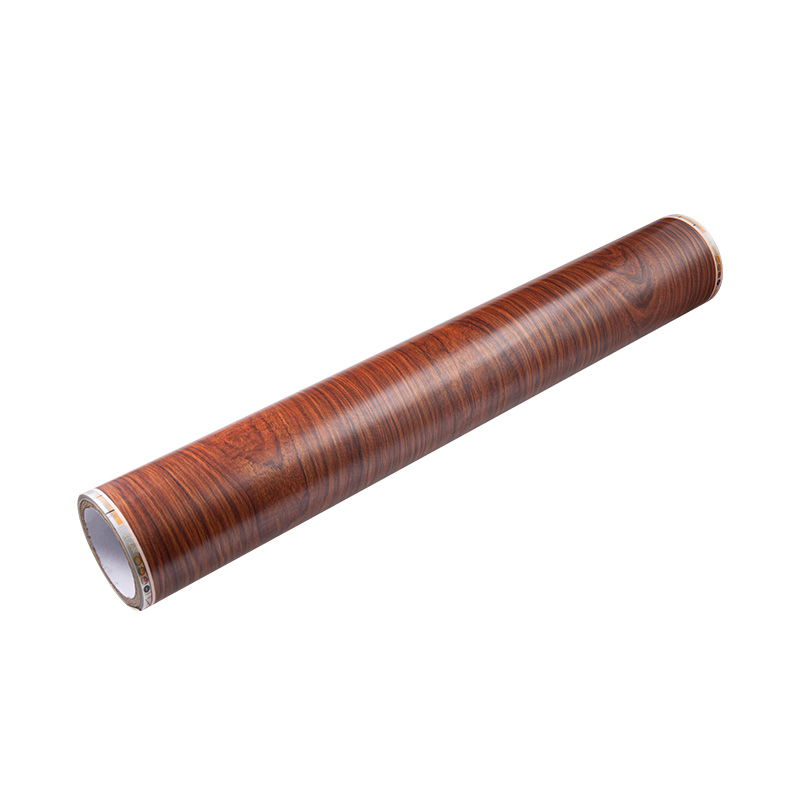
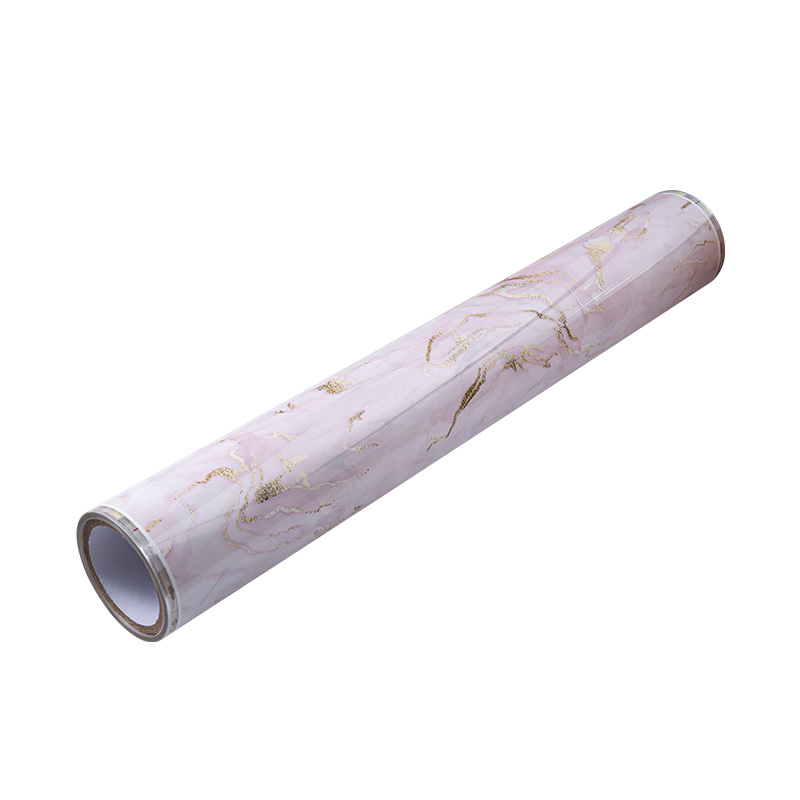
In modern furniture surface engineering, decorative finishing materials continue to evolve toward more stable performance and refined visual effects. Within this context, Heat Resistant Wood Grain PET Hot Stamping Foil and PS Hot Stamping Foil are frequently discussed in relation to surface decoration systems, especially where appearance consistency and process adaptability are required. These two materials are often evaluated together in industrial conversations because they represent different application routes across furniture and plastic decoration fields.
Growing Demand for Furniture Panel Decoration
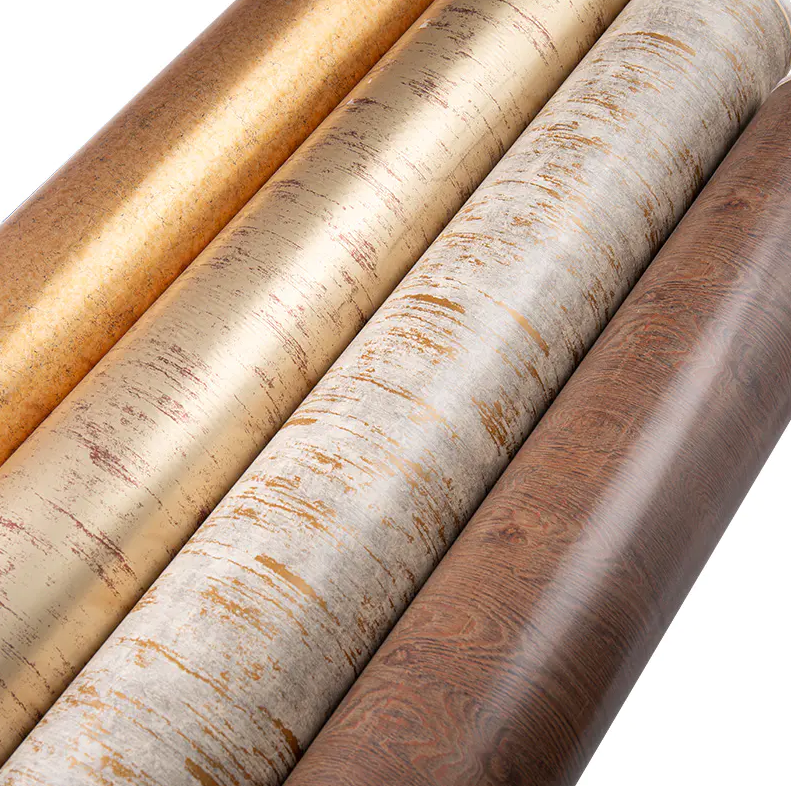
Furniture panels used in residential and commercial environments require surface finishes that combine decorative appeal with structural compatibility. Wood grain transfer technologies have become widely adopted for MDF boards, particle boards, and composite panels. The expectation is not only visual resemblance to natural wood but also stable performance during thermal processing.
Heat-resistant wood grain PET Hot Stamping Foil plays an important role in this segment due to its ability to maintain structural integrity under elevated temperature conditions. PS Hot Stamping Foil, while typically associated with plastic substrates, is also referenced when comparing different surface decoration approaches across material categories. This comparison helps manufacturers evaluate which solution aligns with their production requirements.
Material Characteristics and Functional Behavior
PET-based wood grain foils are designed with a focus on thermal stability and pattern clarity. During hot stamping, the foil must maintain consistent transfer behavior without distortion of texture details. Wood grain definition is a central requirement, especially for furniture panels that aim to replicate natural timber aesthetics.
PS Hot Stamping Foil, on the other hand, is generally associated with plastic compatibility. Its behavior is influenced by the thermal sensitivity of PS materials, requiring controlled processing conditions. When discussed alongside PET wood grain foil, it highlights the contrast between rigid panel decoration and plastic surface finishing systems.
Substrate Compatibility in Furniture Applications
Furniture manufacturing commonly involves substrates such as MDF, plywood, and engineered wood boards. These materials undergo surface preparation before decorative transfer processes. Heat-Resistant Wood Grain PET Hot Stamping Foil is often evaluated for its compatibility with flat panels and shaped components, ensuring uniform adhesion across different geometries.
Although PS Hot Stamping Foil is not typically applied directly to furniture boards, it is frequently mentioned in technical discussions due to its role in plastic decorative parts used within furniture systems, such as handles, trims, and accessory components. This cross-material reference helps manufacturers design integrated product lines.
Thermal Process Considerations
Hot stamping processes depend on controlled temperature, pressure, and contact duration. Furniture panel production often uses heat press or vacuum press systems. PET-based foils are expected to perform under consistent heating cycles without losing pattern clarity.
In contrast, PS Hot Stamping Foil requires careful temperature regulation to avoid deformation of PS substrates. This difference highlights the importance of selecting appropriate decorative films based on material sensitivity and processing environment.
Surface Appearance and Durability Expectations
A key requirement in furniture decoration is surface stability over time. Heat-resistant wood grain PET hot-stamping foil supports a consistent visual appearance, helping maintain a wood-like texture under regular use conditions. Resistance to surface wear is also an important factor in panel applications.
PS Hot Stamping Foil contributes to decorative plastic elements that complement furniture design systems. Its role is often aesthetic, supporting branding or visual accents on molded parts.
Application Value in Furniture Manufacturing Systems
The integration of decorative foils into furniture production lines supports flexible design options. PET-based wood grain foils are widely considered for panel-level decoration, while PS-based foils are more aligned with auxiliary plastic components.
The combined understanding of Heat Resistant Wood Grain PET Hot Stamping Foil and PS Hot Stamping Foil allows manufacturers to evaluate material selection from both structural and decorative perspectives, supporting balanced production planning across furniture systems.

Contact Information
 +86-13665889229
 +86-0579-89123153
 Ditian Industrial Park, Xiaoshun Town, Jindong District, Jinhua City, Zhejiang, China.
Get in Touch
Copyright © Jinhua Zengcai Decoration Materials Co., Ltd. All Rights Reserved.
 Wholesale Hot Stamping Foil


 English
 中文简体
中文简体 عربى
عربى