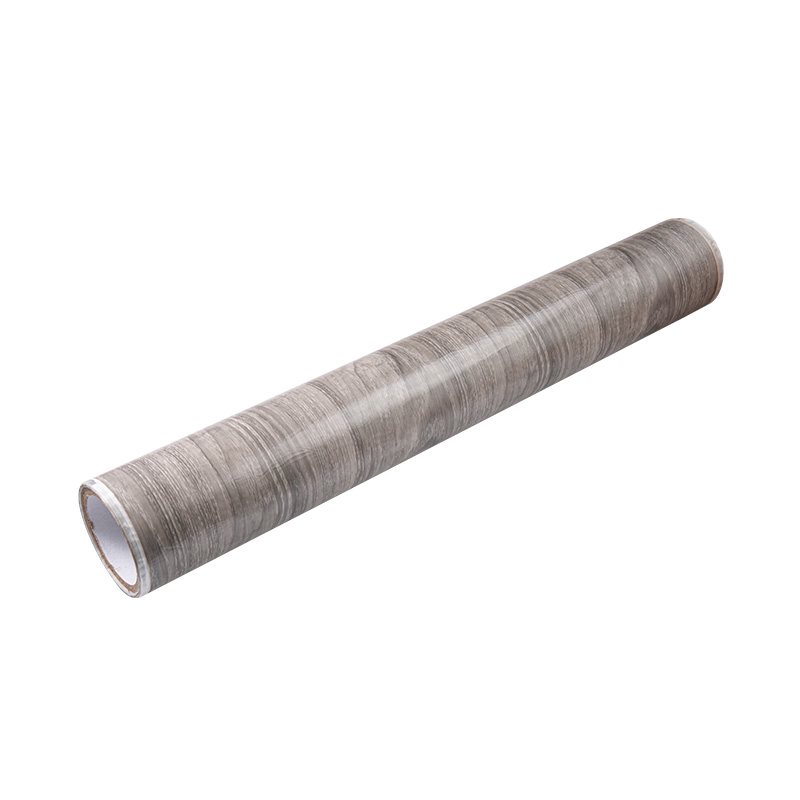
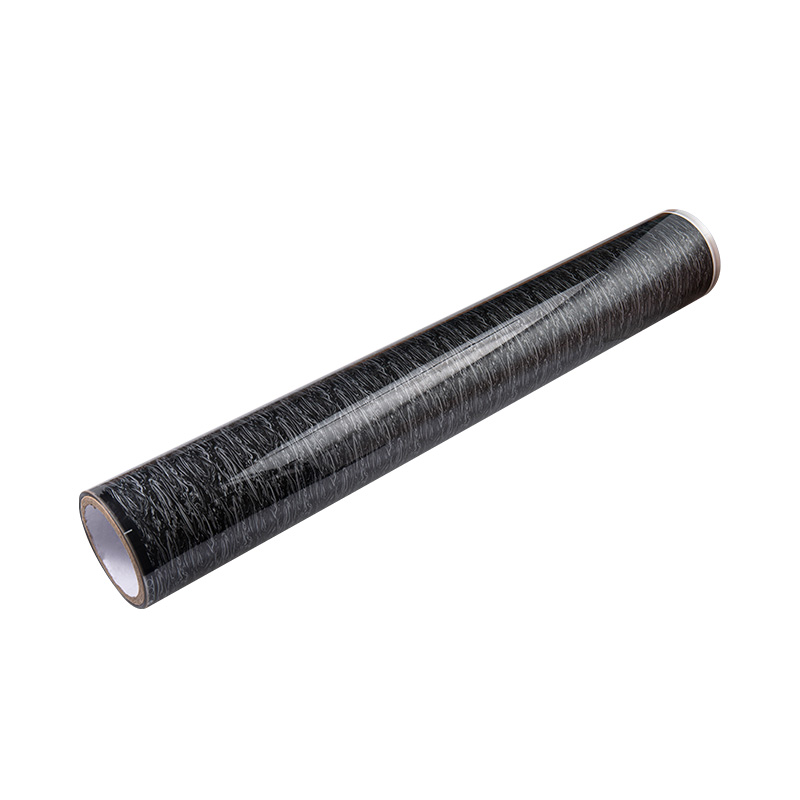
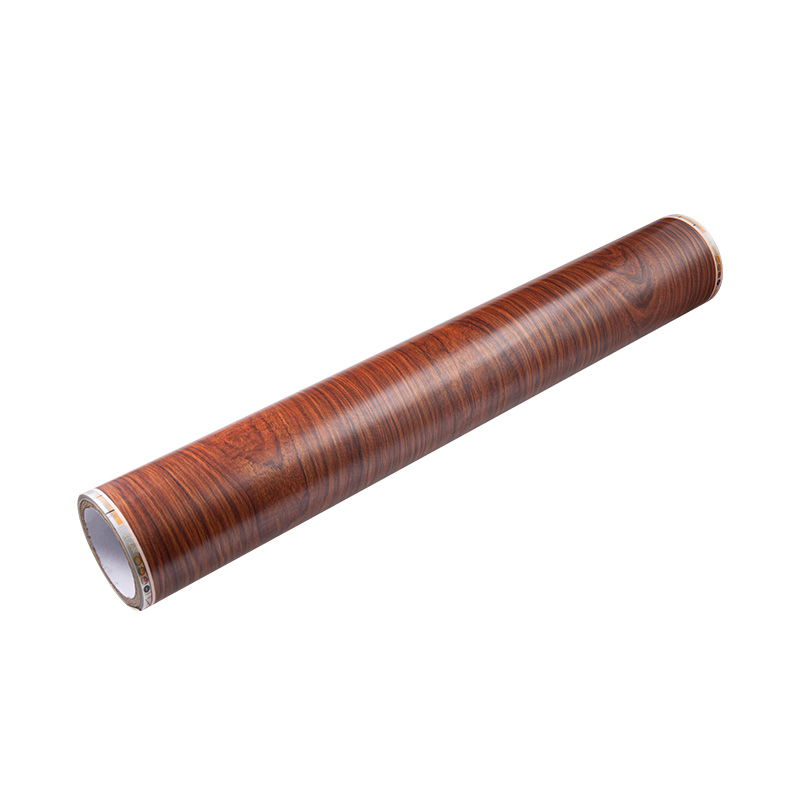
Introduction: Unlocking the Potential of Hot Stamping Foil for ABS and PVC
Hot stamping foil has become a widely used material in decorative and industrial applications due to its ability to transform plain surfaces into visually appealing finishes. Among the various types, hot stamping foil for PVC and hot stamping foil for ABS are highly versatile, providing designers and manufacturers with the flexibility to enhance plastic surfaces without altering the material's fundamental properties. Additionally, metallic hot stamping foil offers a reflective, luxurious appearance suitable for modern design aesthetics, making it a popular choice across multiple industries.
The hot stamping process involves transferring a decorative layer from the foil onto a substrate using heat and pressure. This method allows for a variety of effects, including metallic shine, stone textures, wood grains, and other patterns, while maintaining durability and uniformity. For ABS and PVC surfaces, this process not only improves aesthetics but also adds a layer of protection, enhancing scratch resistance and durability for daily use.
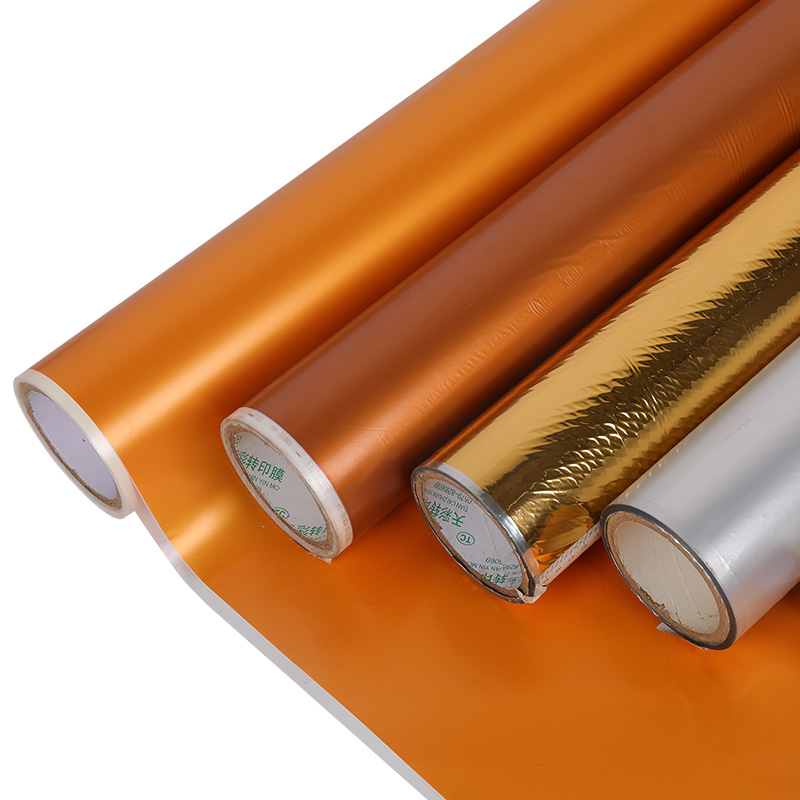
Techniques: How Hot Stamping Foil Works on ABS and PVC
The application of hot stamping foil for PVC and hot stamping foil for ABS requires careful consideration of the material properties and processing parameters. The success of the process relies on several key techniques:
- Heat Transfer Process: During hot stamping, the foil is pressed onto the surface of ABS or PVC using a heated die. The heat activates the adhesive layer, allowing the decorative pattern to bond with the substrate. For metallic foils, the heat also enhances the reflective qualities, producing a smooth and uniform metallic surface.
- Temperature and Pressure Control: Different substrates require specific temperatures and pressure levels to ensure effective adhesion. ABS generally requires a slightly lower temperature than PVC to prevent deformation, while PVC demands consistent heat distribution to avoid uneven transfer. The die pressure must be calibrated to achieve a clear and precise pattern without damaging the substrate.
- Surface Preparation: Clean and smooth surfaces are crucial for successful foil transfer. Dust, grease, or irregularities can compromise adhesion, resulting in incomplete or flawed designs. Pre-treatment methods may include light sanding, cleaning with alcohol, or using primers to enhance bonding.
- Foil Selection: Choosing the right type of foil is critical. Metallic hot stamping foil is often used to create reflective or chrome-like finishes on ABS or PVC parts, while other foils may simulate textures such as stone, wood, or matte effects. Color, pattern, and thickness should be matched with the substrate and intended use.
Trends: What's Trending in Hot Stamping Foil for ABS and PVC
The industry surrounding hot stamping foil is evolving rapidly, with new trends emerging in design, material performance, and application methods. Key trends include:
- Decorative Trends: Designers are increasingly using foils to replicate natural textures on plastic surfaces. Stone-grain effects and metallic finishes are widely adopted for furniture, wall panels, and decorative trims. These effects give plastic products a more refined appearance while remaining lightweight and cost-effective.
- Industry Adoption: Both hot stamping foil for PVC and hot stamping foil for ABS are applied in diverse sectors, including furniture manufacturing, interior decoration, automotive interiors, and consumer electronics. The ability to achieve a visually appealing finish without additional coatings or painting makes hot stamping an efficient option for high-volume production.
- Customization and Design Flexibility: Manufacturers can offer a wide range of designs, colors, and textures using hot stamping foils. This customization enables brands and designers to differentiate their products and meet specific aesthetic requirements. Advances in foil technology allow for more precise patterns, including fine metallic lines, geometric patterns, and complex textures.
- Sustainability Considerations: Environmental concerns are influencing material selection and production processes. Many foils are designed to be recyclable, and the reduction in painting or coating processes helps lower emissions. Metallic hot stamping foil can provide decorative finishes without the need for chemical coatings, contributing to a more environmentally conscious approach.
Applications: Where Hot Stamping Foil for ABS and PVC is Making a Difference
The versatility of hot stamping foil for PVC and hot stamping foil for ABS allows for a wide range of applications across multiple industries:
- Furniture Panels: MDF or WPC panels with ABS or PVC surfaces are often decorated using hot stamping foil. Metallic or patterned foils provide an upscale appearance for cabinets, tables, and shelving units, enhancing interior aesthetics without adding extra weight.
- Consumer Electronics and Home Appliances: Hot stamping foils are applied to plastic housings, control panels, and decorative elements. Metallic foils are frequently chosen for creating premium-looking surfaces, while stone or matte textures offer subtle sophistication.
- Automotive Interior Components: Many interior parts, such as dashboards, trims, and door panels, use metallic hot stamping foil or patterned foils to provide a visually consistent finish. This approach enhances the perceived quality of components without significant cost increases.
- Decorative Wall Panels and Moldings: ABS and PVC panels for walls or ceilings can be upgraded with hot stamping foils to simulate stone, metallic, or wood textures. This technique allows designers to achieve decorative effects that are durable, lightweight, and easier to install than natural materials.
- Packaging and Accessories: For plastic packaging, gift boxes, and other accessories, hot stamping foil for PVC or metallic hot stamping foil can be used to highlight branding or create textured patterns, adding value to consumer products.
Tips and Considerations for Effective Use
To ensure the best results with hot stamping foil for ABS and PVC, certain practices should be followed:
- Foil Handling and Storage: Foils should be stored in a dry, clean environment to prevent dust accumulation or moisture damage. Rolling and unrolling should be done carefully to avoid creases that can affect transfer quality.
- Quality Checks: After stamping, inspection of the finish is essential. Look for uniform adhesion, clear patterns, and consistent color. Regular quality checks help maintain product standards and reduce waste.
- Design Considerations: The orientation of patterns, foil thickness, and substrate compatibility can affect the final appearance. Experimenting with sample parts before full production can help optimize results.
Advancing Decorative Solutions with Hot Stamping Foil
Hot stamping foil for PVC, metallic hot stamping foil, and hot stamping foil for ABS are key tools in modern manufacturing and decorative industries. Their ability to transform simple plastic surfaces into attractive, durable, and customizable finishes has expanded the possibilities for product design and application. By carefully selecting foil types, controlling processing parameters, and exploring emerging trends, manufacturers can leverage hot stamping foils to enhance the visual and functional qualities of their products.
The continued evolution of materials, techniques, and design preferences suggests that hot stamping foil for ABS and PVC will remain a versatile solution for diverse decorative and industrial needs. Companies can use these foils to create visually compelling surfaces, reduce production costs, and explore new aesthetics in furniture, electronics, automotive interiors, and packaging applications.

 Home / News / Industry News / Hot Stamping Foil for ABS and PVC: Techniques, Trends, and Applications
  2025.10.27
 Industry News

 +86-13665889229
 +86-0579-89123153
 Ditian Industrial Park, Xiaoshun Town, Jindong District, Jinhua City, Zhejiang, China.
 Wholesale Hot Stamping Foil


 English
 中文简体
中文简体 عربى
عربى