Industry News
 Home / News / Industry News / Hot Stamping Foil for PP: How Manufacturers Are Upgrading Plastic Finishes
  2025.10.27
 Industry News
Hot stamping foil for PP has emerged as a valuable tool in the decorative and industrial finishing of plastic surfaces. By transferring intricate patterns and textures onto plastic materials, it allows manufacturers to achieve visually appealing designs while maintaining the structural integrity of the substrate. Beyond PP, hot stamping foil for PS and hot stamping foil for WPC are also widely used, offering similar decorative possibilities for a variety of plastic and composite materials.
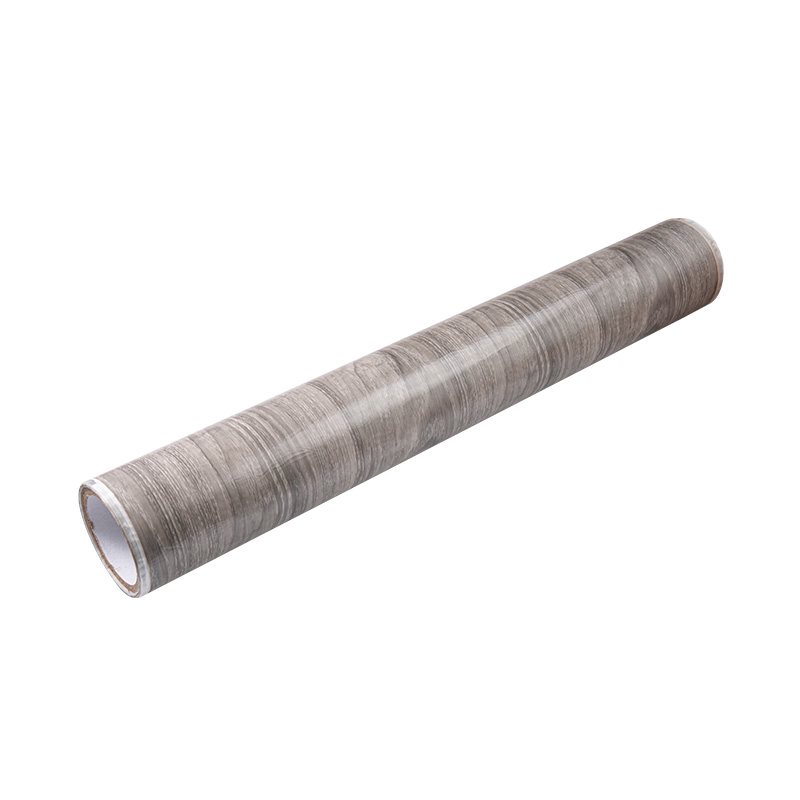
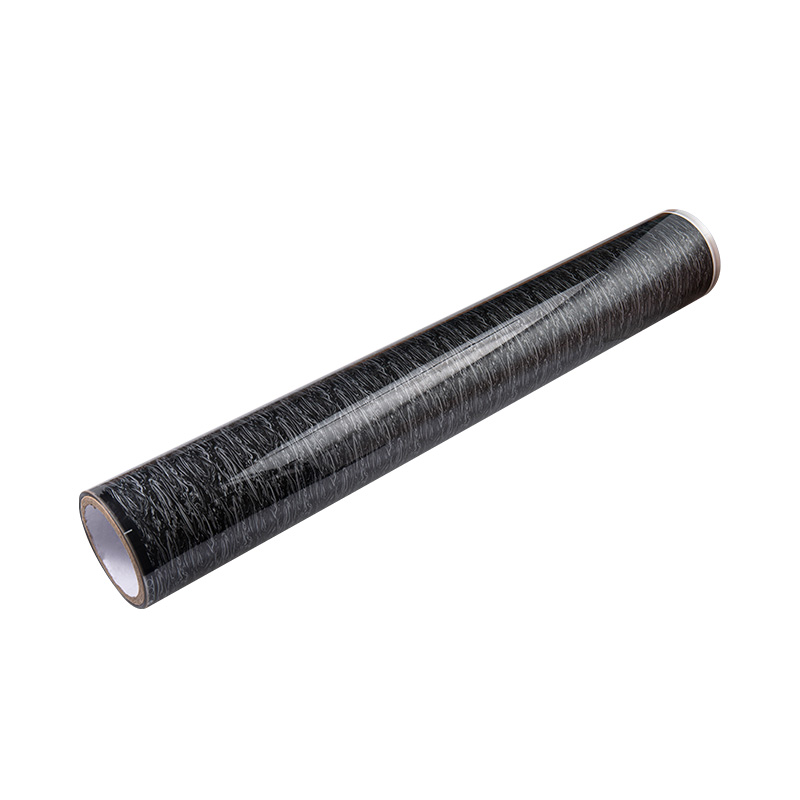
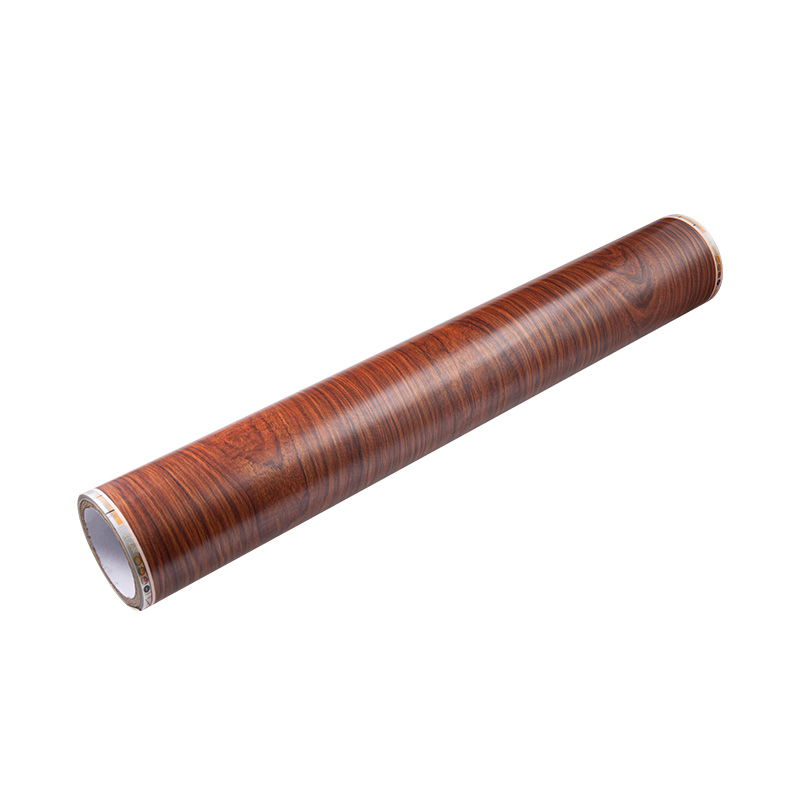
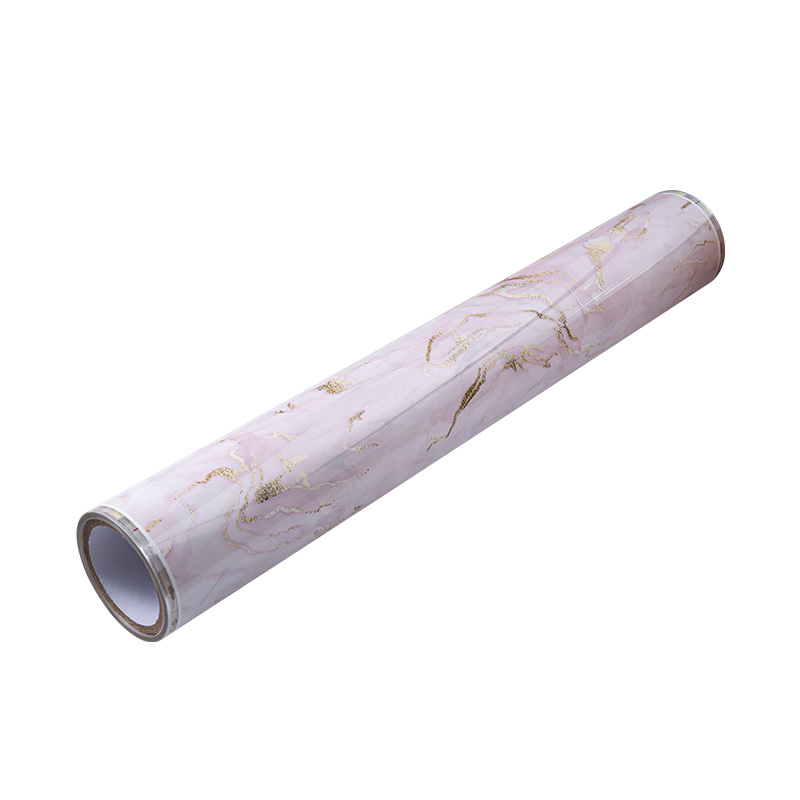
The process of hot stamping uses heat and pressure to transfer a decorative layer from a carrier foil onto the target material. This method enables a wide range of effects, from metallic and glossy finishes to textured surfaces such as stone or wood grain. Using foils for ABS, PP, PS, PVC, and WPC enhances both the aesthetic appeal and the functional durability of finished products, making them suitable for furniture, interior decoration, automotive interiors, and consumer goods.
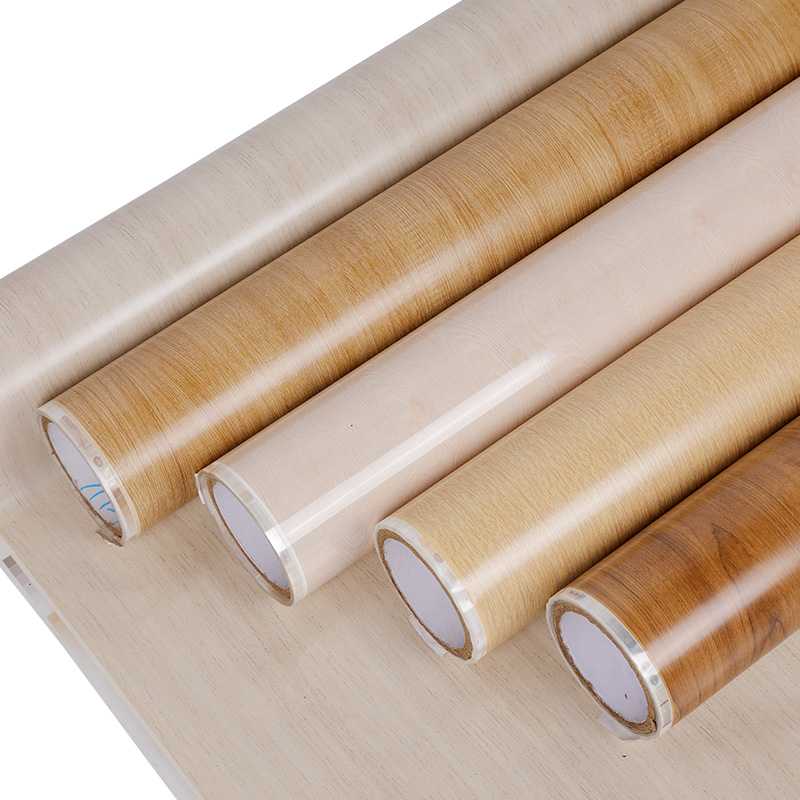
Hot stamping foil for PP is designed to work effectively with polypropylene surfaces. Its structure typically includes a carrier layer, a release layer, a decorative layer, and an adhesive layer. The carrier film supports the foil during transfer, while the release layer ensures the decorative layer adheres to the substrate under controlled heat and pressure. The adhesive layer activates at a specific temperature, bonding the foil to the PP surface.
PP surfaces present unique challenges due to their low surface energy, which can make adhesion difficult. Therefore, manufacturers often use surface pre-treatment techniques such as corona treatment or primer application to improve bonding. With proper processing, hot stamping foil for PP can achieve sharp patterns, uniform color, and long-lasting decorative finishes.
The versatility of hot stamping foil for PP allows it to be used in numerous applications. In furniture manufacturing, it is applied to polypropylene components and panels to replicate textures such as wood grain or stone effects. In consumer electronics, it can enhance the appearance of plastic casings and panels, giving products a premium visual appeal. Packaging and decorative trims also benefit from PP foils, as they allow the creation of detailed patterns without the need for additional coatings or painting.
In addition to PP, hot stamping foil for PS is frequently applied to polystyrene components. PS is widely used in household items, disposable products, and packaging due to its rigidity and ease of molding. Hot stamping enhances the surface aesthetics of PS, enabling metallic finishes, matte effects, or texture replication. Designers often choose PS foils for packaging, decorative panels, and consumer product embellishments.
Similarly, hot stamping foil for WPC (wood-plastic composites) is used to improve the appearance of composite boards. WPC panels are commonly employed in flooring, wall cladding, and outdoor decking. Hot stamping allows these panels to resemble natural wood or stone textures, providing a decorative solution that is lighter and more cost-effective than real materials.
Successful application of hot stamping foil for PP, PS, and WPC depends on several technical factors:
The market for decorative foils continues to evolve. Some notable trends include:
Using hot stamping foil for PP, PS, and WPC offers several advantages:
As manufacturers continue to seek efficient and cost-effective decorative solutions, the use of hot stamping foil for PP, PS, and WPC is expected to grow. Innovations in foil technology are likely to introduce more detailed patterns, improved adhesion, and environmentally friendly options. The flexibility and aesthetic value of these foils make them a practical choice for a wide range of applications, from interior decoration to consumer electronics and packaging.
Hot stamping foil for PP plays a critical role in upgrading the appearance and functionality of plastic surfaces. Alongside hot stamping foil for PS and hot stamping foil for WPC, it enables manufacturers to achieve durable, attractive, and customizable finishes across multiple industries. By combining careful material selection, precise process control, and innovative designs, hot stamping foils continue to enhance the aesthetic value of plastic products while providing practical benefits in manufacturing and product design.

Contact Information
 +86-13665889229
 +86-0579-89123153
 Ditian Industrial Park, Xiaoshun Town, Jindong District, Jinhua City, Zhejiang, China.
Get in Touch
Copyright © Jinhua Zengcai Decoration Materials Co., Ltd. All Rights Reserved.
 Wholesale Hot Stamping Foil


 English
 中文简体
中文简体 عربى
عربى