Industry News
 Home / News / Industry News / Hot Stamping Foil for Laminated Board Gains Popularity in Decorative Panel Manufacturing
  2025.10.27
 Industry News
The decorative panel industry has witnessed significant growth in recent years, driven by an increasing demand for innovative and cost-effective surface finishes. Among the various solutions available, hot stamping foil for laminated board has become a noteworthy option for manufacturers seeking to combine aesthetics with practicality. This article explores the applications, benefits, and market trends of hot stamping foil for laminated board, as well as its related counterparts, hot stamping foil for wood panels and hot stamping foil for picture frames, providing insights into why these products are gaining traction in modern manufacturing.
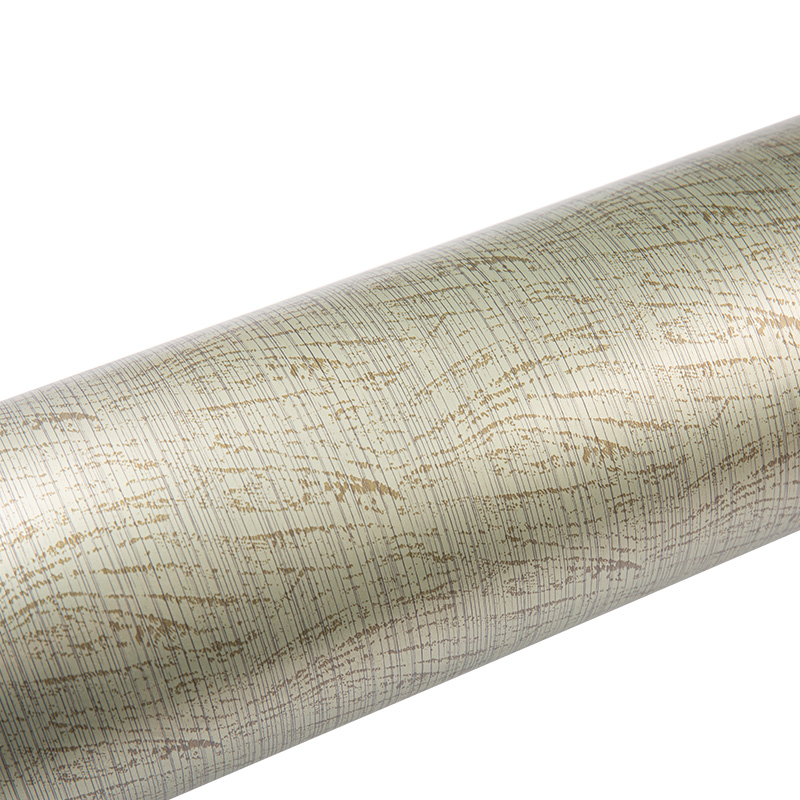
Introduction to Hot Stamping Foil for Laminated Board
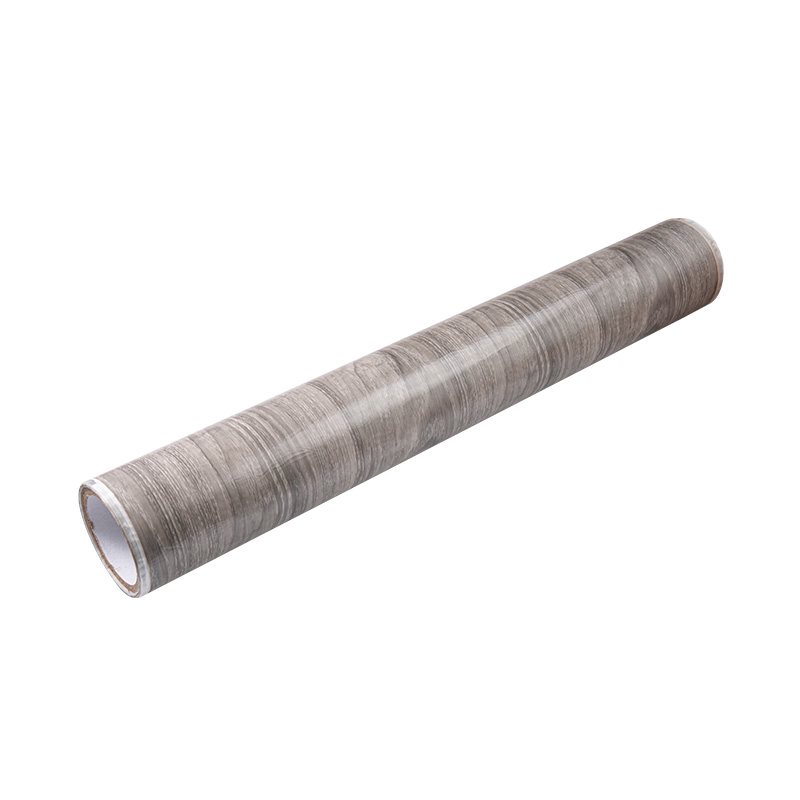
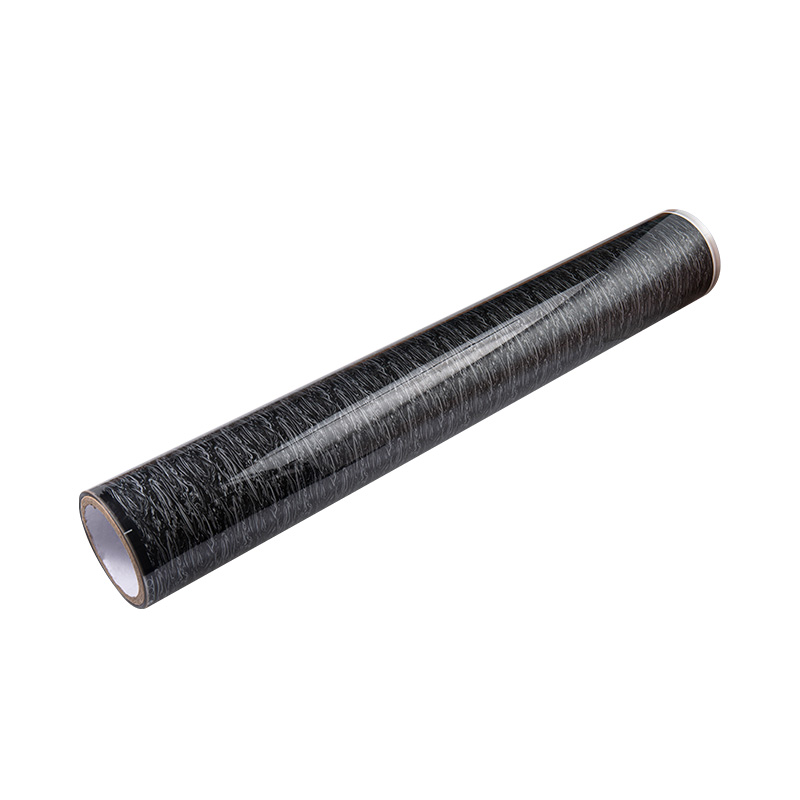
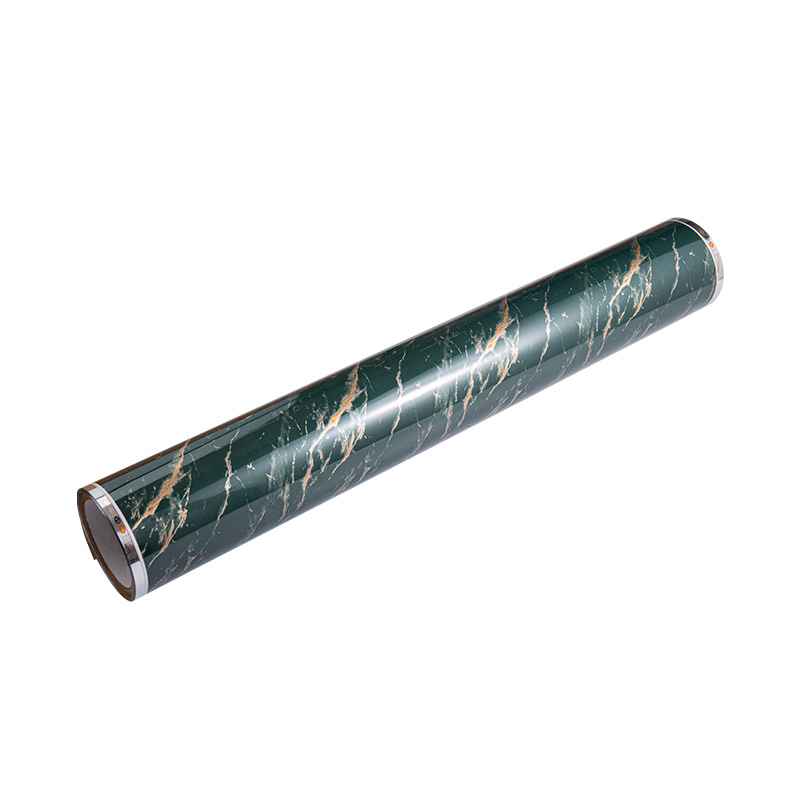
Hot stamping foil for laminated board is a type of decorative film that allows manufacturers to apply intricate designs and textures onto laminated surfaces. Laminated boards, commonly used in furniture, cabinetry, wall panels, and commercial interiors, benefit from the visual enhancement provided by hot stamping foils. The process involves transferring a patterned or colored film onto the surface of the board using heat and pressure, creating a durable and visually appealing finish. This method enables the reproduction of a variety of textures, including stone, metallic, and woodgrain effects, without the need for natural materials.
While hot stamping foil for laminated board focuses on decorative panels, similar technologies have been adapted for other materials. Hot stamping foil for wood panels allows for decorative effects on MDF, plywood, and solid wood surfaces, while hot stamping foil for picture frames is used to enhance the aesthetic value of crafted frames, offering both visual appeal and surface protection. The versatility of these foils makes them suitable for residential, commercial, and industrial applications.
Industry Trends and Growing Applications
In recent years, the demand for decorative surfaces with realistic textures and durable finishes has expanded. Designers and manufacturers increasingly prefer alternatives that are lighter, cost-effective, and easier to handle than natural materials. Hot stamping foil for laminated board addresses these needs by providing a practical solution that maintains the appearance of more expensive or heavier materials while simplifying production and installation processes.
Hot stamping foil for wood panels is seeing increased usage in furniture and interior decoration sectors. It enables the creation of visually appealing patterns, such as woodgrain effects or metallic accents, on panels that are easier to process and transport than solid wood. Similarly, hot stamping foil for picture frames has gained attention in the craft and home decor markets. The foil allows for elegant finishes on frames without extensive manual labor, giving designers and manufacturers more options for customization.
Market research indicates that these foils are increasingly chosen for mid-range and high-end decorative panels, where visual texture, design flexibility, and durability are key considerations. Laminated boards, in particular, have benefited from the development of foils that offer realistic stone and metallic effects while remaining compatible with automated production lines.
Applications of Hot Stamping Foil for Laminated Board
Hot stamping foil for laminated board can be applied to a wide range of decorative panels, including wall panels, cabinet doors, furniture surfaces, and partition panels. Its primary advantage lies in its ability to enhance the visual appeal of laminated materials without increasing production complexity. Laminated boards coated with hot stamping foils can simulate stone, metal, or wood textures, offering designers a broad range of creative options.
Hot stamping foil for wood panels serves similar purposes in applications where the surface is made of MDF, plywood, or composite wood. The foil can reproduce the appearance of exotic woods or textured finishes, providing a high-quality look while reducing reliance on natural timber. In addition to furniture, wood panels decorated with hot stamping foils are commonly used in interior wall cladding and door panels.
Hot stamping foil for picture frames is primarily utilized in the craft, art, and home decor sectors. It allows for the production of frames with metallic, woodgrain, or textured stone effects, enhancing the perceived value and visual appeal of the finished product. The process can be applied to a variety of frame materials, including wood, MDF, and even certain plastics, offering versatility for different production requirements.
Benefits and Advantages
The adoption of hot stamping foil for laminated board provides several notable benefits for manufacturers. First, it offers a cost-effective alternative to natural stone, metal, or wood finishes. By applying a foil to a laminated surface, manufacturers can achieve the visual qualities of these materials without incurring the high costs associated with raw materials or labor-intensive finishing techniques.
Hot stamping foil for wood panels and hot stamping foil for picture frames provide similar advantages. These foils enable the reproduction of high-quality textures while reducing weight and simplifying installation. The durability of the finish is another important consideration. Properly applied hot stamping foils can withstand wear, maintain color stability, and resist minor abrasions, ensuring that the decorative surface remains visually appealing over time.
Design flexibility is another key benefit. Manufacturers can select from a wide range of patterns, colors, and textures to meet specific market demands. Stone textures, metallic sheens, and woodgrain finishes can all be produced using hot stamping foils, providing options for interior designers, architects, and product developers. The ability to customize designs according to project requirements also allows companies to respond quickly to market trends and client requests.
Production Techniques and Material Considerations
The process of applying hot stamping foil for laminated board involves transferring a decorative layer from a carrier film onto the substrate using heat and pressure. This requires careful control of temperature, pressure, and dwell time to ensure adhesion and prevent damage to the laminated surface. Hot stamping foil for wood panels may require adjustments in the process due to variations in surface smoothness and moisture content. For hot stamping foil for picture frames, precise control is necessary to maintain uniformity, especially on complex frame profiles.
The foil itself consists of multiple layers, including a carrier film, a release layer, a decorative layer, and an adhesive layer. This structure ensures that the foil can transfer accurately to the substrate while providing a durable and visually appealing finish. Modern foils are also available in various thicknesses and textures, allowing manufacturers to select the most appropriate product for their application.
Market Outlook and Future Opportunities
The market for hot stamping foil for laminated board is expected to continue growing as demand for decorative surfaces rises across residential and commercial sectors. Laminated boards decorated with hot stamping foils provide a flexible and aesthetically pleasing solution, offering both visual impact and functional durability. As trends shift towards lightweight, cost-effective, and customizable materials, the adoption of hot stamping foil for wood panels and hot stamping foil for picture frames is also likely to increase.
Manufacturers and designers are increasingly exploring new textures and effects to meet consumer expectations. Innovations in foil production, including more realistic stone, metallic, and wood textures, are expanding the possibilities for decorative panels. Additionally, the environmental benefits of using foils, such as reduced reliance on natural resources and lower transportation costs, are gaining attention in markets focused on sustainability.
Hot stamping foil for laminated board has established itself as a versatile and practical solution for enhancing the appearance of decorative panels. Alongside hot stamping foil for wood panels and hot stamping foil for picture frames, these products offer manufacturers a means to create visually appealing, durable, and cost-effective surfaces. The combination of design flexibility, ease of application, and potential for customization ensures that hot stamping foils will continue to play an important role in the decorative panel and furniture industries. By embracing these materials, companies can meet the evolving expectations of designers and consumers while optimizing production processes.

Contact Information
 +86-13665889229
 +86-0579-89123153
 Ditian Industrial Park, Xiaoshun Town, Jindong District, Jinhua City, Zhejiang, China.
Get in Touch
Copyright © Jinhua Zengcai Decoration Materials Co., Ltd. All Rights Reserved.
 Wholesale Hot Stamping Foil


 English
 中文简体
中文简体 عربى
عربى