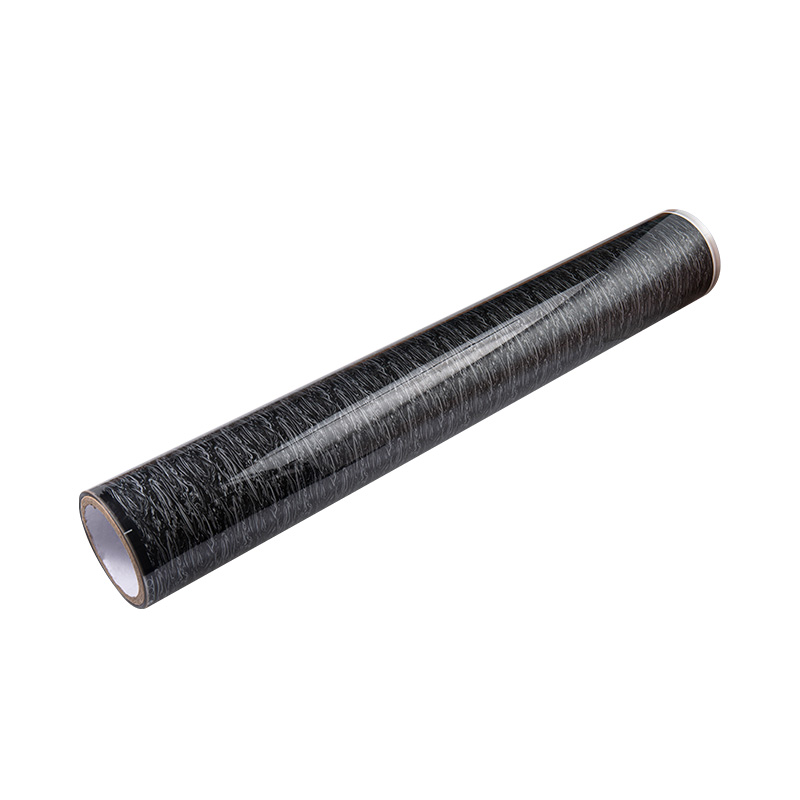
Industry News
 Home / News / Industry News / Hot Stamping Foil for Profiles: Innovative Applications for PVC and WPC Trim
  2025.10.27
 Industry News
In recent years, the decorative materials industry has witnessed a growing interest in hot stamping technologies for creating visually appealing surfaces. Among these technologies, hot stamping foil for profiles has become a versatile solution for manufacturers and designers looking to enhance PVC and WPC trims with textures and patterns that imitate natural materials. This type of foil provides an effective method to achieve attractive finishes on profiles, while maintaining durability, cost efficiency, and ease of installation.
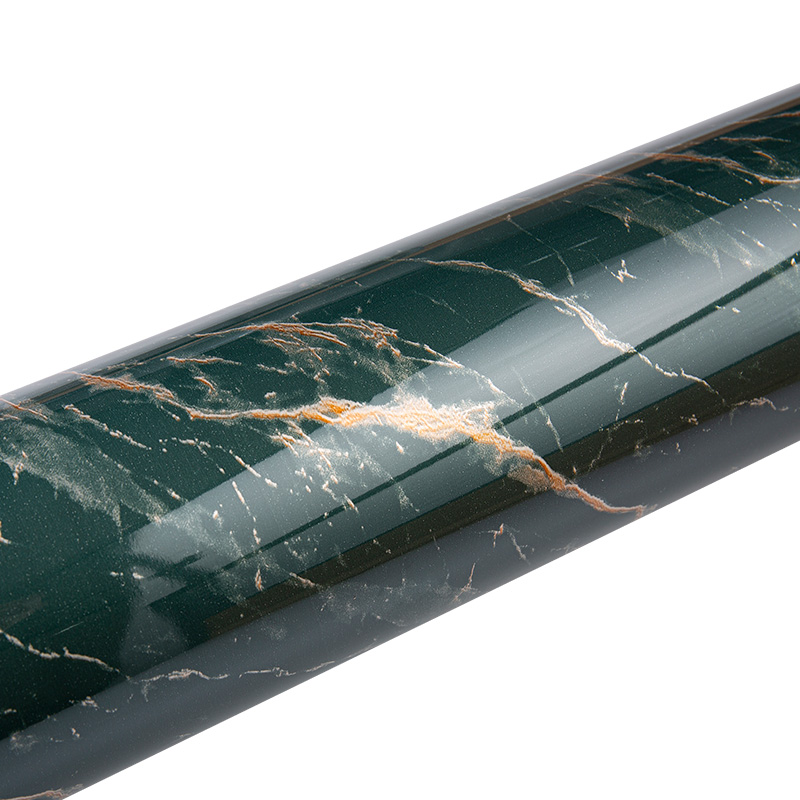
Understanding Hot Stamping Foil for Profiles
Hot stamping foil for profiles refers to a decorative film applied to the surface of trim, moulding, and other profile components using heat and pressure. The process involves transferring the printed or textured layer from the carrier film onto the substrate, resulting in a finish that adheres securely and can replicate a variety of patterns. Unlike traditional coating or laminating methods, hot stamping allows for precise design transfer with minimal waste, making it suitable for both small-scale decorative elements and larger trim panels.
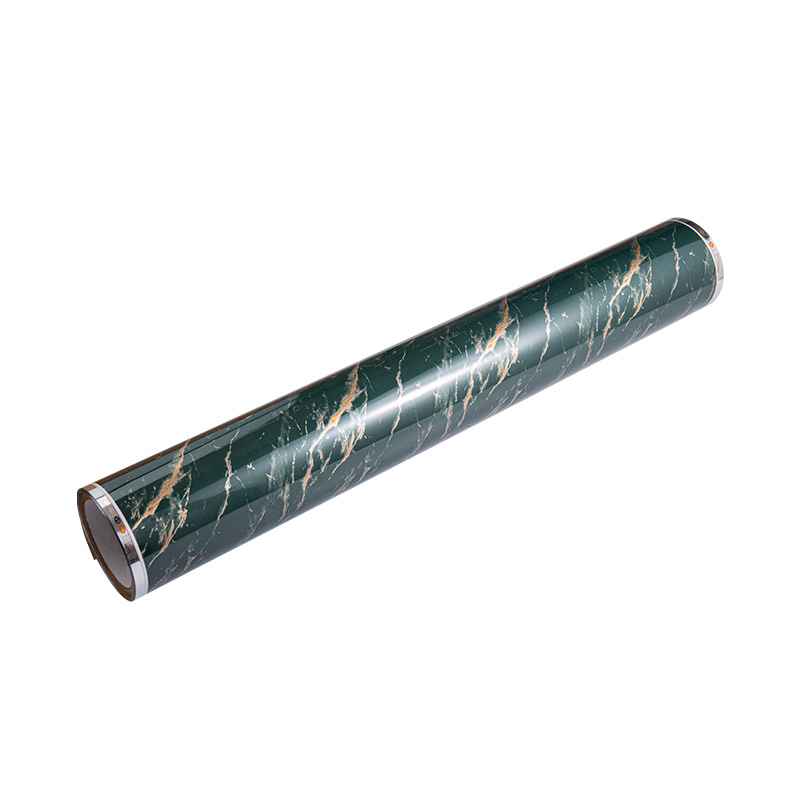
Profiles created from PVC or WPC materials benefit significantly from the application of hot stamping foils. The process enhances the visual quality of trims, enabling a more refined appearance for baseboards, window sills, door casings, and other architectural profiles. The decorative possibilities are extensive, ranging from smooth metallic finishes to intricate stone or wood-like textures.
Applications in PVC Decorative Panels
The versatility of hot stamping foil for PVC decorative panels makes it a valuable option for interior and exterior design projects. PVC panels are commonly used for walls, ceilings, and furniture facings due to their lightweight nature, durability, and ease of installation. When combined with hot stamping foil, these panels can achieve highly realistic surface textures that would otherwise require heavier or more expensive materials.
One common application of hot stamping foil for PVC decorative panels is in wall panels and partition systems. The foil can create natural stone or wood grain patterns, adding an element of sophistication without the need for genuine wood or stone. Similarly, furniture components such as cabinet doors, wardrobe panels, and shelving units can benefit from the foil's ability to produce consistent textures across large surface areas.
The film's durability and wear-resistance properties ensure that decorative PVC panels maintain their appearance over time, even in high-traffic areas. Heat, pressure, and adhesive layers in the foil work together to create a strong bond with the substrate, while allowing for flexible design applications across different thicknesses and panel sizes.
Wood-Like Finishes with Wood Grain Hot Stamping Foil
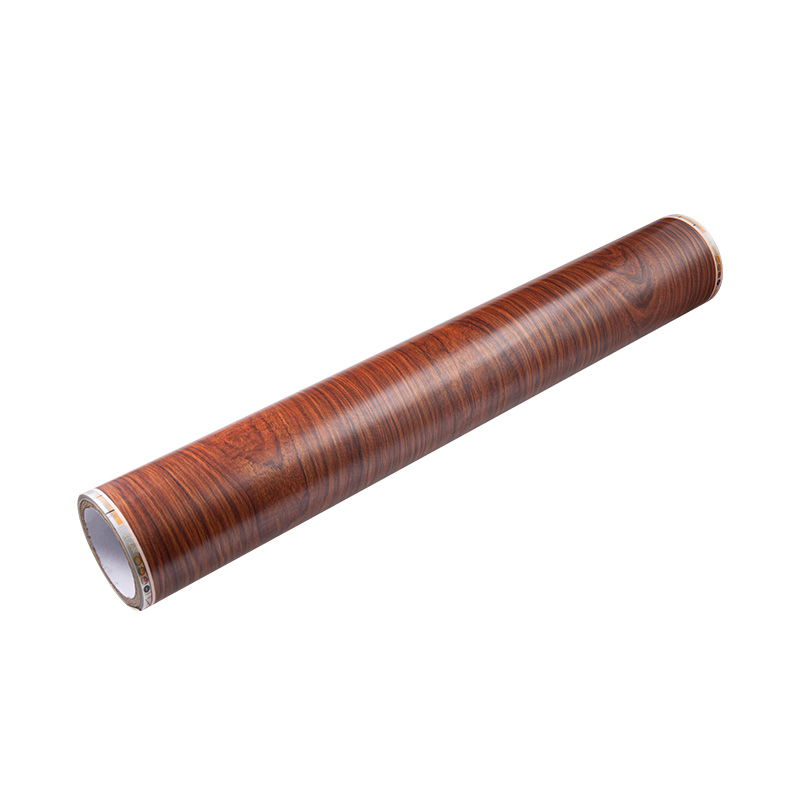
A popular variation in the hot stamping foil family is wood grain hot stamping foil. This type of foil is specifically designed to replicate the natural appearance of wood, including the subtle textures and color variations found in different species. The use of wood grain hot stamping foil allows manufacturers to produce panels and profiles that resemble wood while benefiting from the advantages of synthetic substrates such as PVC or WPC.
Wood grain hot stamping foil can be applied to furniture, decorative trims, and wall panels to create a cohesive and natural-looking interior. It is particularly effective for applications where genuine wood may be impractical due to weight, cost, or environmental considerations. Additionally, the foil can accommodate a range of finishes, from light oak to dark walnut tones, providing designers with flexibility to match various interior themes.
Innovative Applications in Profiles and Trims
The innovation in hot stamping foil for profiles extends beyond simple surface decoration. Manufacturers can now incorporate complex patterns, embossed textures, and multi-color effects into trims and mouldings. Profiles treated with this foil not only enhance the aesthetic appeal but also improve the tactile experience, offering surfaces that feel more authentic to touch.
In commercial and residential projects, hot stamping foil for profiles is widely used for door and window trims, baseboards, and ceiling mouldings. The foil allows designers to achieve uniform finishes across multiple profiles, ensuring visual consistency throughout a project. Furthermore, combining hot stamping foil for profiles with hot stamping foil for PVC decorative panels enables seamless integration of trims with adjacent wall panels, creating a cohesive design without visible transitions.
Benefits of Hot Stamping Foil Applications
Using hot stamping foil for profiles, hot stamping foil for PVC decorative panels, and wood grain hot stamping foil provides multiple advantages for both manufacturers and end-users:
Visual Quality: The foils can reproduce complex textures and patterns that closely resemble natural materials, including wood and stone.
Cost Efficiency: Compared with traditional materials such as solid wood or natural stone, foils reduce material and labor costs.
Durability: Resistant to scratches, moisture, and UV exposure, the foils maintain appearance over time.
Design Flexibility: Available in a variety of patterns, colors, and finishes, foils can be adapted for different interior and exterior applications.
Ease of Installation: Foils are compatible with existing production lines for profiles and panels, streamlining the manufacturing process.
These benefits contribute to the growing adoption of hot stamping foils in construction, furniture manufacturing, and interior decoration projects.
Market Trends and Developments
Industry trends indicate an increasing interest in decorative foils that simulate natural textures. Consumers and designers are seeking visually appealing surfaces that offer the warmth of wood or the sophistication of stone while maintaining sustainability and cost-effectiveness. Hot stamping foil for profiles, hot stamping foil for PVC decorative panels, and wood grain hot stamping foil have responded to this demand by providing a practical and versatile solution.
Innovation in foil technology continues to focus on improving texture realism, color depth, and adhesion properties. Manufacturers are exploring embossed and multi-layer foils that enhance both the visual and tactile quality of finished profiles and panels. At the same time, environmental considerations are prompting the development of recyclable carrier films and eco-friendly adhesive systems, aligning the industry with global sustainability goals.
The use of hot stamping foil for profiles, hot stamping foil for PVC decorative panels, and wood grain hot stamping foil represents a significant advancement in decorative finishes for trims, panels, and furniture components. By offering realistic textures, cost-efficient production, and durable performance, these foils provide a practical alternative to natural materials. As design requirements continue to evolve, the adoption of hot stamping foil technology is likely to expand, supporting both aesthetic innovation and manufacturing efficiency in the decorative materials sector.

Contact Information
 +86-13665889229
 +86-0579-89123153
 Ditian Industrial Park, Xiaoshun Town, Jindong District, Jinhua City, Zhejiang, China.
Get in Touch
Copyright © Jinhua Zengcai Decoration Materials Co., Ltd. All Rights Reserved.
 Wholesale Hot Stamping Foil


 English
 中文简体
中文简体 عربى
عربى