Industry News
 2025.11.07
 Industry News
Modern construction materials not only require strength and functionality but also a refined aesthetic that stands the test of time. The use of Hot Stamping Foil For Building Material and Heat Resistant Hot Stamping Foil has grown significantly in recent years as manufacturers seek both decorative flexibility and lasting performance. These foils serve as protective and aesthetic layers on materials such as PVC wall panels, PS moldings, MDF boards, and WPC decorative surfaces, adding a durable finish while maintaining design consistency across large-scale production.
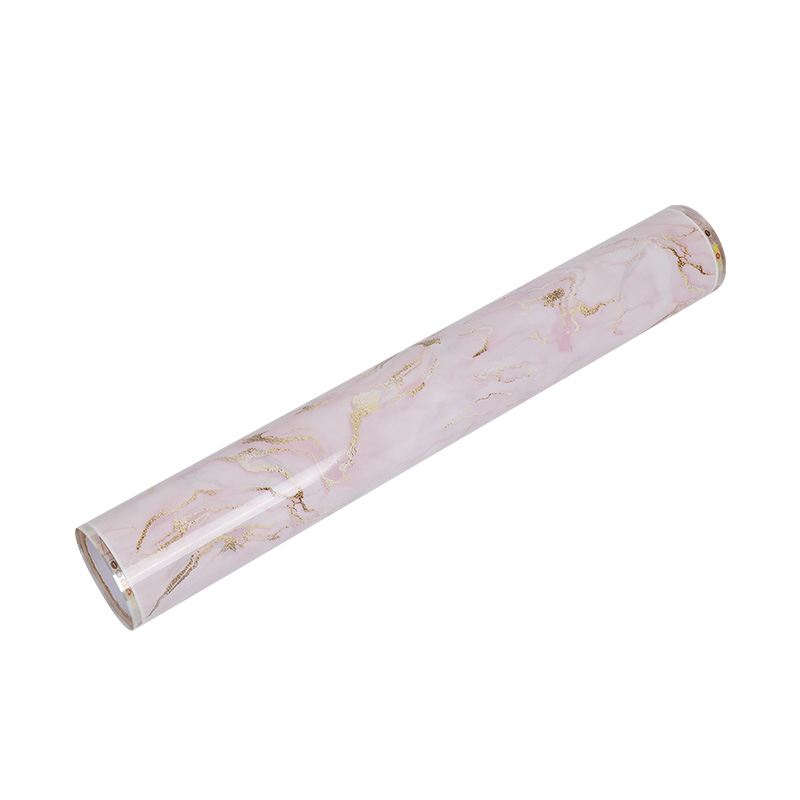
In architectural and interior applications, temperature fluctuations are common, particularly in environments exposed to sunlight or heat sources. Traditional coatings or paints often face issues like peeling, discoloration, or cracking under such conditions. Heat Resistant Hot Stamping Foil addresses these challenges through its stable thermoplastic adhesive and multi-layered PET film construction. The foil’s thermal stability allows it to maintain adhesion even when subjected to extended periods of high temperature, helping surfaces retain their color and texture without deformation.
The foil also provides resistance to scratches, chemical exposure, and UV light, making it suitable for both indoor and semi-outdoor environments. For instance, decorative moldings, skirting boards, and ceiling panels treated with hot stamping foil are less likely to show wear or fading even after years of use. This performance is achieved without the need for additional coatings, which reduces maintenance requirements and simplifies the production process.
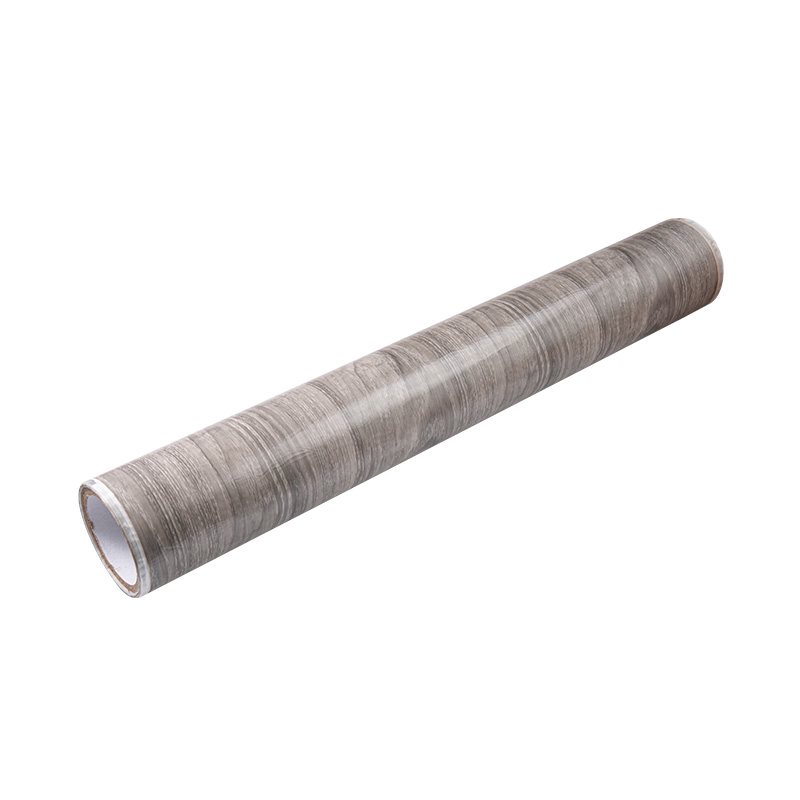
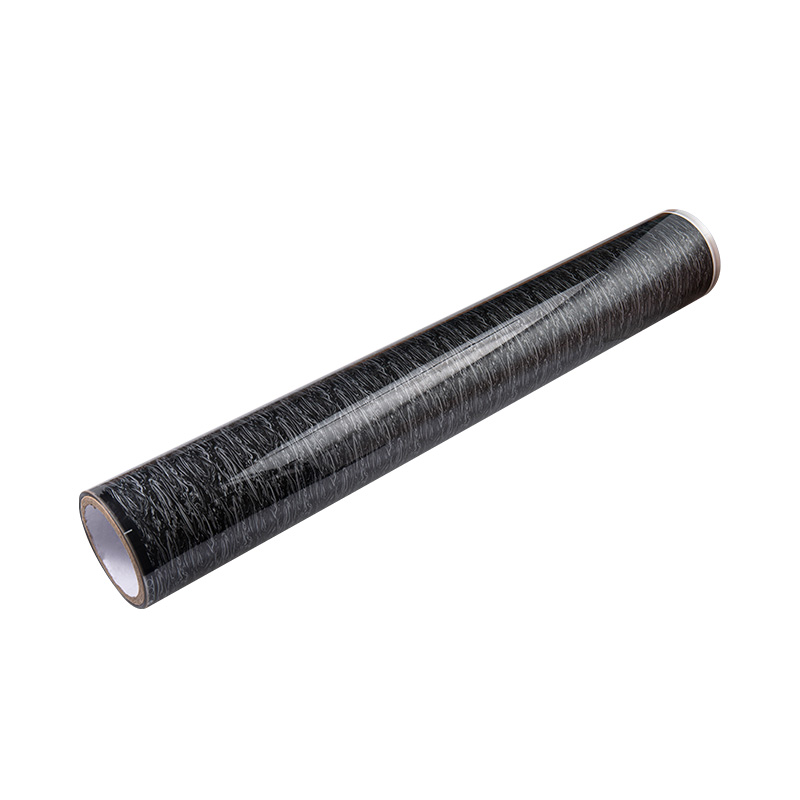
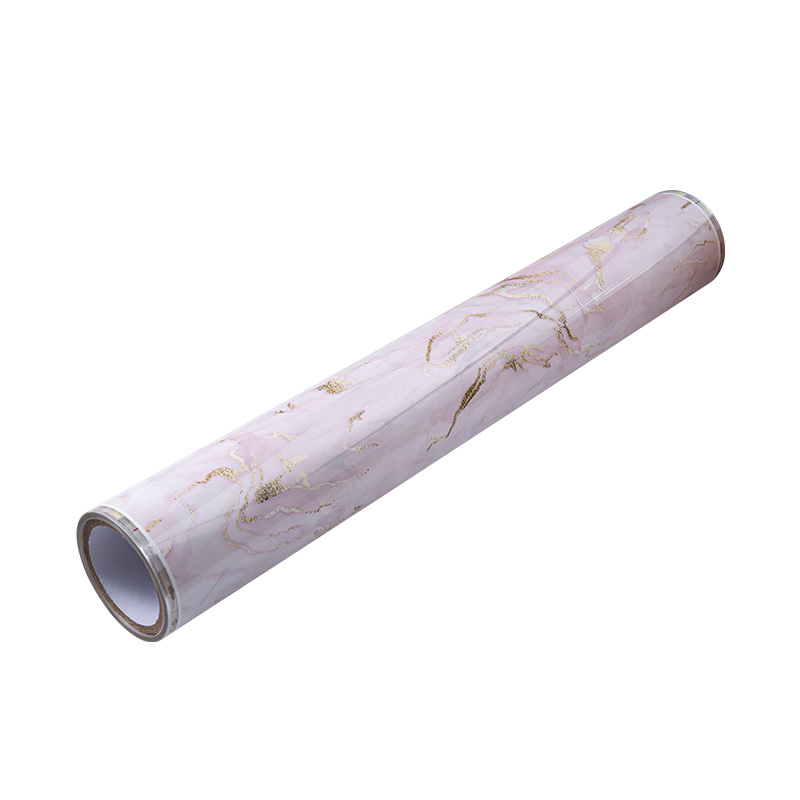
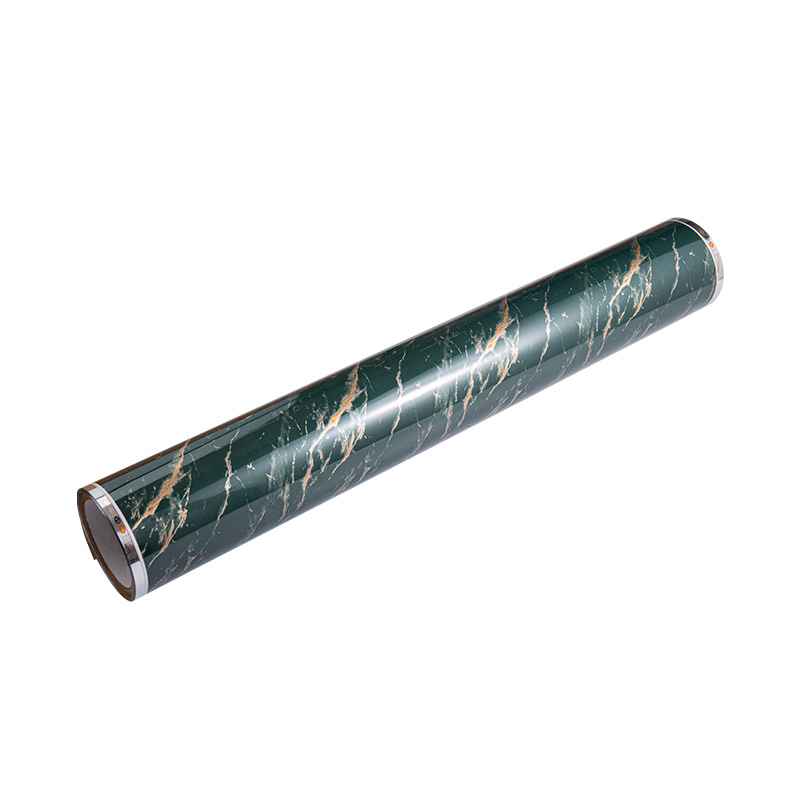
Beyond protection, hot stamping foil offers significant design versatility. Manufacturers can achieve finishes such as wood grain, marble, brushed metal, and other custom effects without using natural materials. This enables a consistent appearance across product batches while allowing creative freedom in pattern and color selection. Since the transfer process relies on heat and pressure rather than solvent-based printing, it produces clear, high-definition details with clean edges and uniform color distribution.
This capability is particularly valuable for building materials used in visible spaces, including door frames, ceiling panels, and interior wall boards. By using foils instead of traditional paint or veneer, manufacturers can achieve the same decorative result with greater production efficiency and fewer material constraints. The smooth surface also helps prevent dust accumulation and makes cleaning easier, adding to the product’s practicality in long-term use.
The adoption of Hot Stamping Foil For Building Material aligns with a more sustainable manufacturing approach. Unlike conventional coating systems that rely on solvent-based formulations, hot stamping foils require no drying time or chemical discharge. The dry transfer process generates minimal waste and helps maintain a cleaner production environment.
From a technical perspective, the use of PET film as the carrier ensures precise heat transfer, allowing fast cycle times suitable for continuous or automated production lines. This efficiency is particularly valuable for large-scale factories producing decorative wall panels or PVC trims. By integrating foil application into the production process, manufacturers can reduce rework and maintain consistent surface quality throughout production.
In construction, durability is closely tied to surface stability. The layered composition of Heat Resistant Hot Stamping Foil acts as a barrier against moisture, temperature variation, and everyday impact. This structural advantage helps extend the service life of interior components made from plastic or composite materials. For applications such as decorative moldings in humid environments or panels near heat sources, the foil’s resistance properties significantly reduce the likelihood of deformation or fading over time.
Furthermore, the visual appeal remains consistent because the pigment and pattern are embedded within the foil rather than applied superficially. This prevents uneven aging and ensures that the decorative appearance maintains its original quality for a longer period. The foil’s adaptability to various substrates—such as PVC, WPC, PS, and MDF—also broadens its application range across both commercial and residential construction projects.
Architectural designers and builders are increasingly adopting hot stamping foils to meet evolving market demands for visually appealing yet cost-efficient materials. Whether for wall panels, furniture trims, or ceiling decorations, these foils offer an effective way to combine strength, resistance, and design flexibility. Their ability to maintain appearance and integrity under heat, humidity, and daily use makes them a dependable option for modern interiors where both style and function are essential.

Contact Information
 +86-13665889229
 +86-0579-89123153
 Ditian Industrial Park, Xiaoshun Town, Jindong District, Jinhua City, Zhejiang, China.
Get in Touch
Copyright © Jinhua Zengcai Decoration Materials Co., Ltd. All Rights Reserved.
 Wholesale Hot Stamping Foil


 English
 中文简体
中文简体 عربى
عربى