Industry News
 Home / News / Industry News / What Applications Benefit From Hot Stamping Foil For Building Material?
  2025.11.28
 Industry News
Across the construction and interior decoration industries, surface design plays a vital role in both visual presentation and material protection. The growing use of Hot Stamping Foil For Building Material and Heat Resistant Hot Stamping Foil reflects a shift toward more efficient, durable, and environmentally responsible decorative methods. These foils provide manufacturers with a versatile finishing option that enhances the texture, color, and resistance of materials like PVC, WPC, MDF, and PS. From interior panels to furniture components, hot stamping foil supports a wide range of practical applications where both appearance and endurance matter.
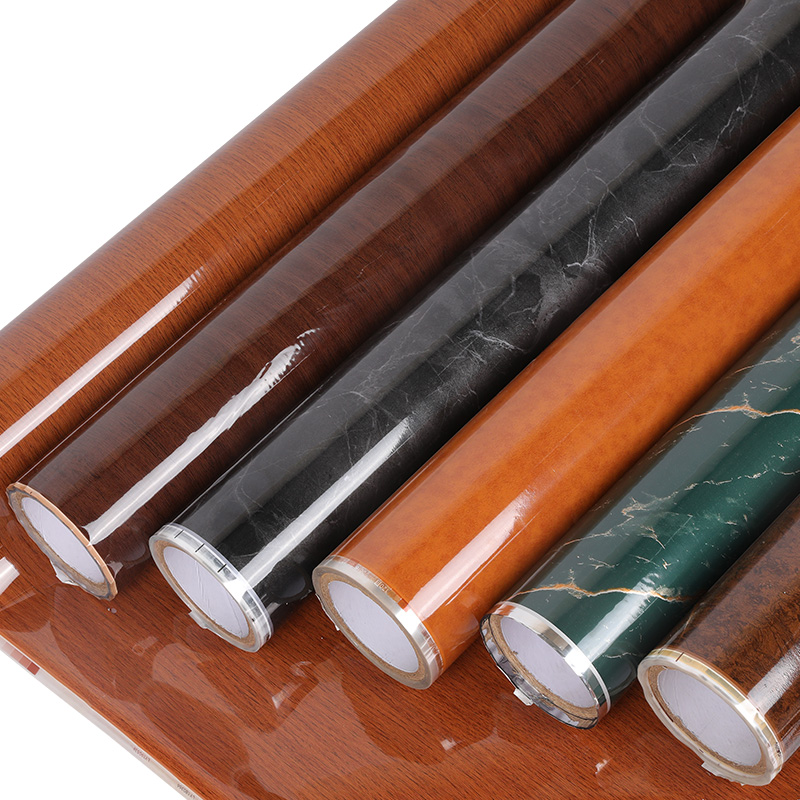
Traditional coatings or printed laminates often face issues like fading, peeling, or uneven texture when used in large spaces exposed to light and temperature changes. The heat transfer technology used in Heat Resistant Hot Stamping Foil ensures consistent color and adhesion, maintaining visual integrity over time.
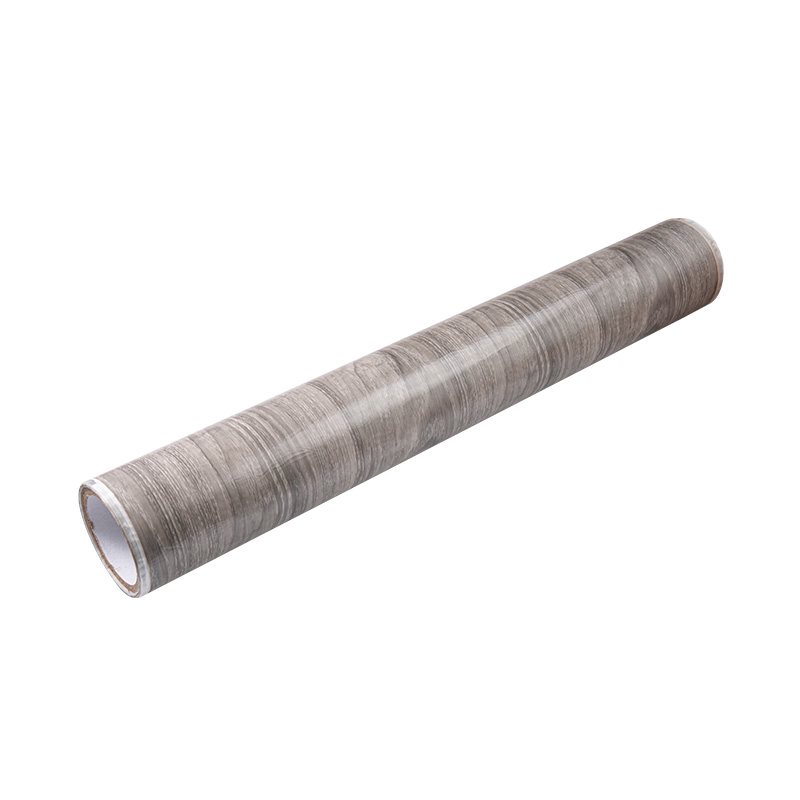
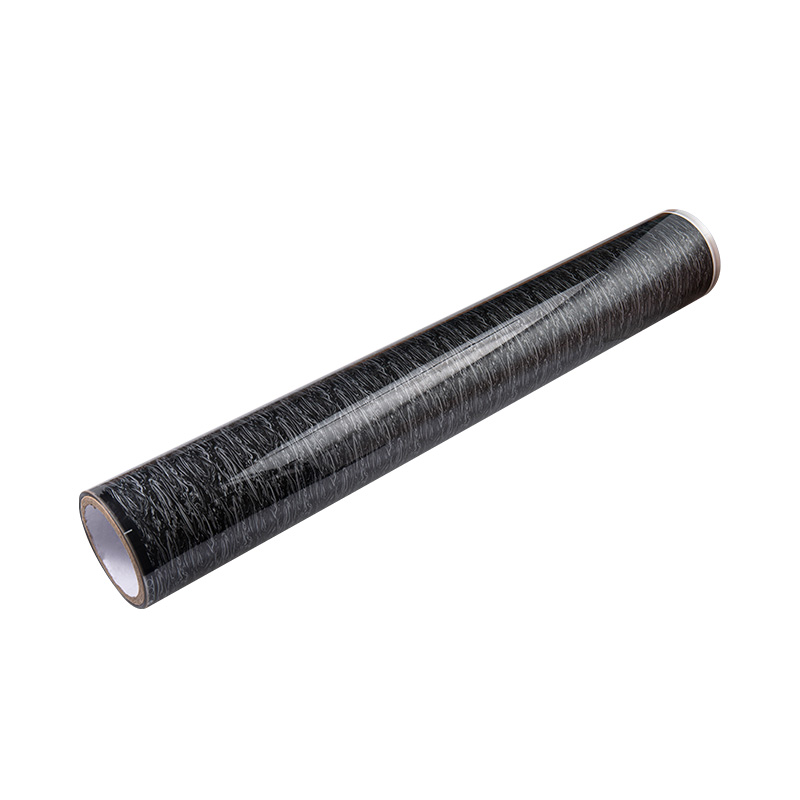
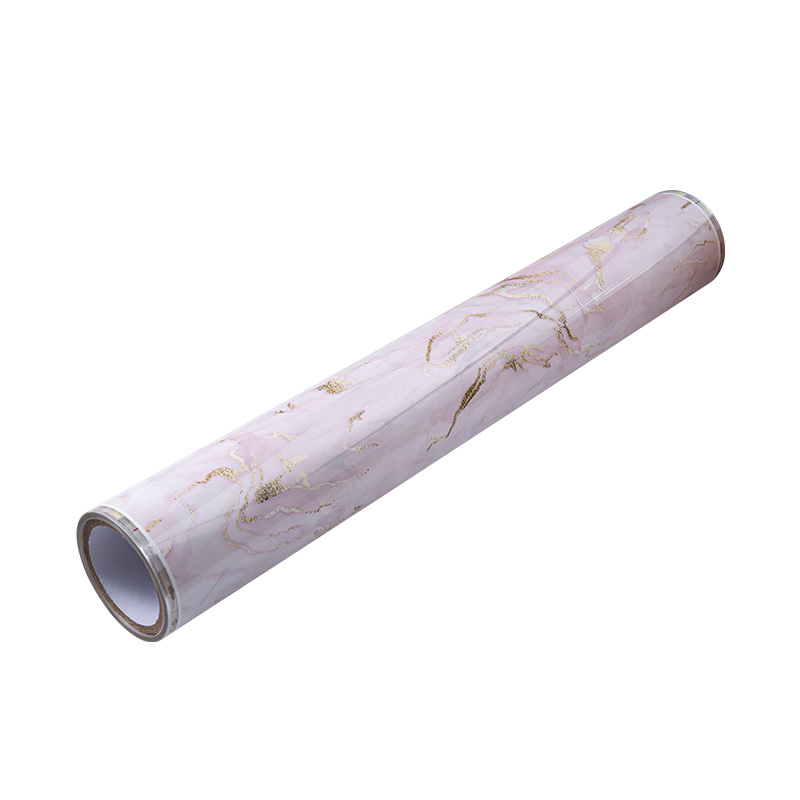
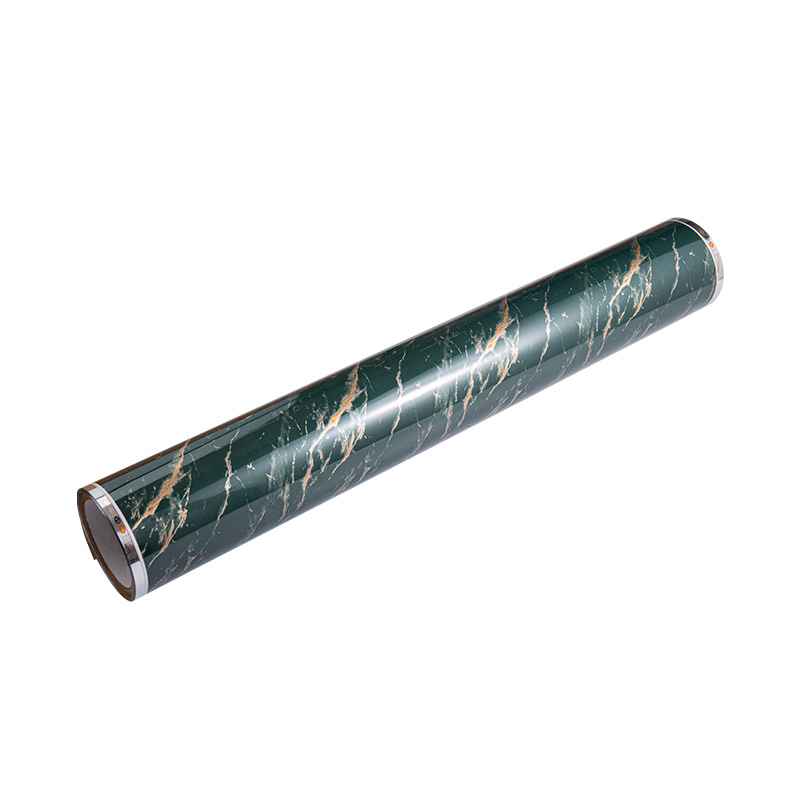
For PVC and WPC panels, the foil not only enhances decorative appeal but also acts as a protective barrier against moisture, scratches, and surface wear. This makes it well-suited for both residential interiors and commercial environments, including offices, hotels, and retail spaces. The wide range of available patterns—such as wood grain, marble, stone, or metallic effects—offers architects and designers flexibility without increasing material cost or production time.
Door frames, trim, and skirting boards experience frequent contact and friction, making surface protection essential. Hot stamping foil provides a durable coating that resists daily abrasion and retains color uniformity even after long-term use. Compared with painting or spray coating, foil transfer offers a cleaner, faster process that eliminates the need for drying and reduces the risk of uneven finishes.
The heat resistance of the foil also allows it to maintain stability near entryways where temperature differences are common. For decorative door components that require fine details and smooth surfaces, the foil transfer method ensures clear pattern definition and consistent gloss, contributing to a professional and long-lasting finish.
Architectural mouldings and PS profiles are another major area that benefits from Hot Stamping Foil For Building Material. These elements often serve as visual accents in interior design, framing walls, ceilings, and furniture edges. Because they are installed in highly visible areas, color consistency and texture quality are important. Hot stamping foil enables manufacturers to reproduce complex designs—such as brushed metal or embossed wood—without the need for painting or additional polishing.
The dry application process reduces handling time and supports mass production, making it a cost-effective option for decorative trim production. The resulting surface is smooth, easy to clean, and resistant to deformation under moderate heat or humidity. This combination of efficiency and durability makes it particularly valuable for both decorative and functional components in interior architecture.
Furniture design increasingly incorporates composite materials like MDF and particleboard, which require surface enhancement to achieve a premium appearance. Hot stamping foil can be directly transferred onto these substrates, providing realistic finishes that mimic natural materials. For cabinet doors, drawers, and decorative panels, Heat Resistant Hot Stamping Foil ensures that the surface maintains its color and texture even under continuous use.
The foil’s heat stability allows it to perform well in environments such as kitchens or office spaces, where furniture surfaces may be exposed to temperature fluctuations or cleaning agents. Compared to traditional laminates, the foil provides a smoother surface that resists chipping and peeling, extending the usable life of furniture products while maintaining their decorative value.
Louver panels and window blinds require materials that are both visually appealing and able to endure sunlight exposure. Hot stamping foil meets these demands through its UV-resistant and thermally stable layers. The PET-based film structure prevents warping and fading, helping maintain the product’s appearance even after prolonged contact with sunlight.
For manufacturers, the fast transfer rate of the foil improves production efficiency, allowing precise application across large panel surfaces. Decorative effects such as metallic finishes or textured patterns enhance the overall design flexibility of louver systems, making them suitable for modern residential and commercial interiors.
Although primary flooring surfaces often rely on laminates or vinyl coverings, accessories such as edge trims, transition strips, and stair nosings also benefit from decorative foil. These parts require both abrasion resistance and consistent color to blend with flooring panels. Hot Stamping Foil For Building Material provides a strong surface film that protects against scuffs and helps maintain a unified visual appearance throughout the installation.
The foil’s adhesion performance under thermal conditions ensures that these accessories remain stable even when exposed to direct sunlight or temperature variation near doorways and windows. As a result, they maintain their visual and functional properties over extended use.

Contact Information
 +86-13665889229
 +86-0579-89123153
 Ditian Industrial Park, Xiaoshun Town, Jindong District, Jinhua City, Zhejiang, China.
Get in Touch
Copyright © Jinhua Zengcai Decoration Materials Co., Ltd. All Rights Reserved.
 Wholesale Hot Stamping Foil


 English
 中文简体
中文简体 عربى
عربى