Industry News
 2025.11.21
 Industry News
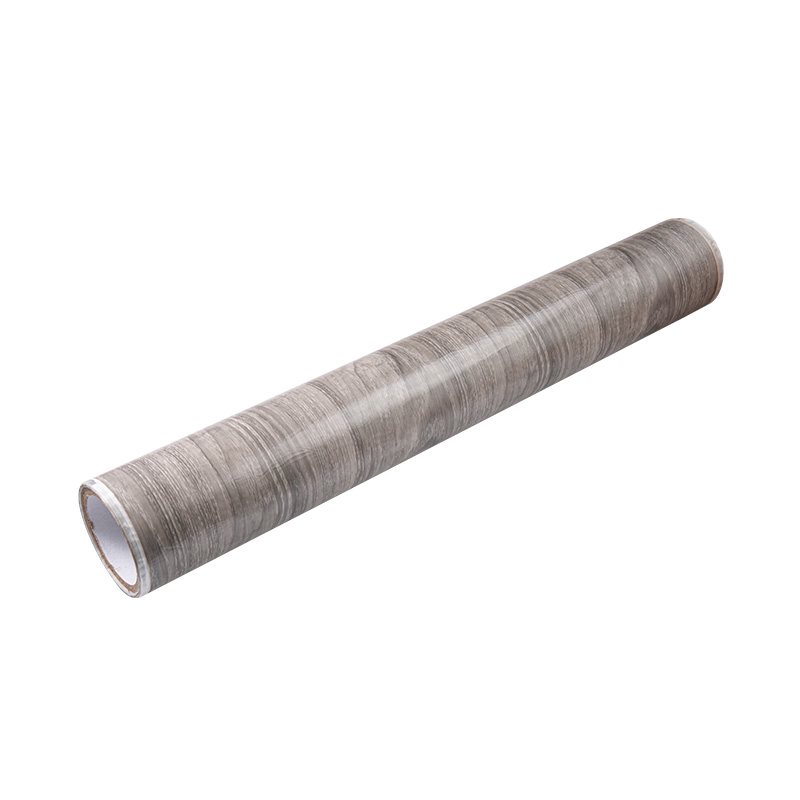
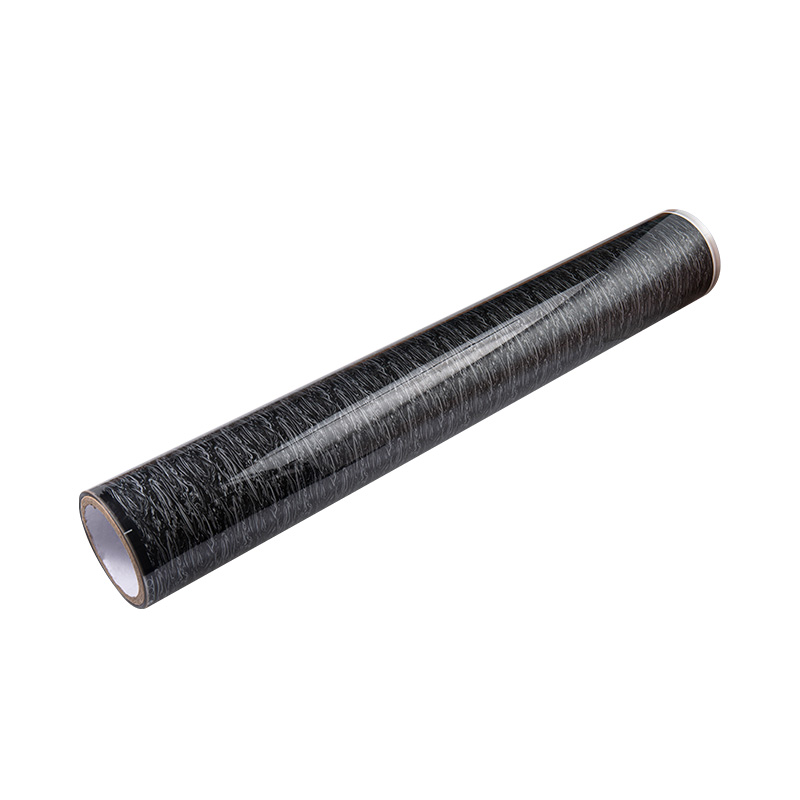
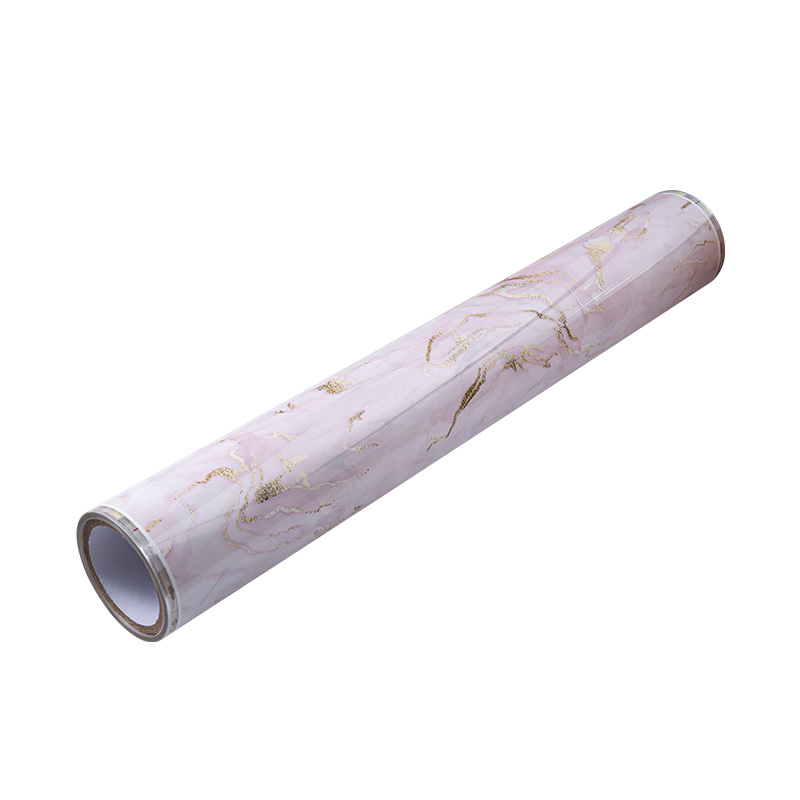
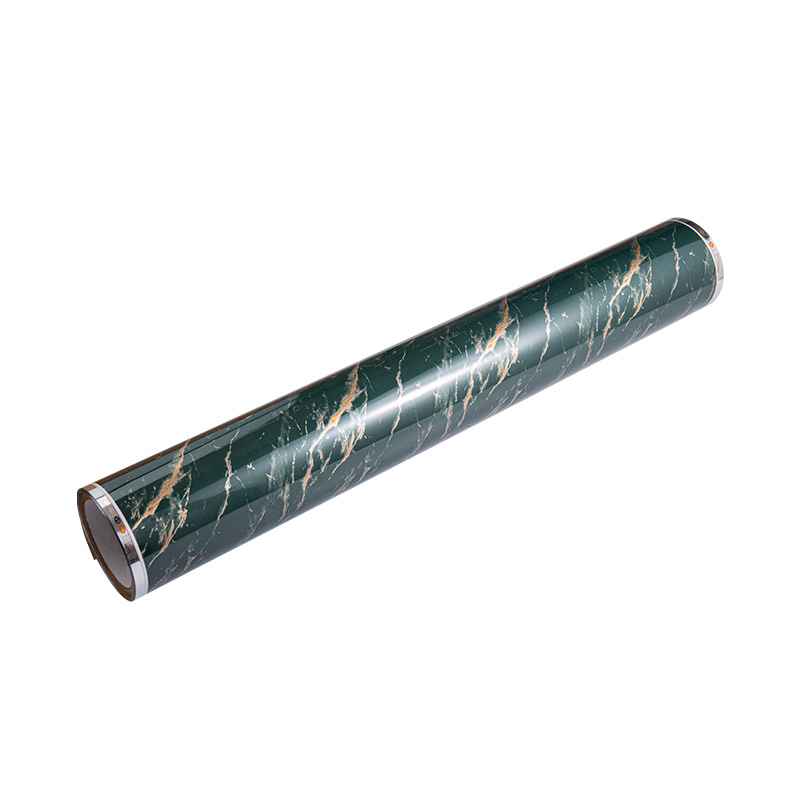
Across the decorative materials industry, surface durability and design longevity are essential for maintaining value and appearance over time. The application of Hot Stamping Foil For Building Material and Heat Resistant Hot Stamping Foil provides an efficient and visually appealing solution for surfaces such as PVC wall panels, WPC moldings, MDF boards, and PS decorative profiles. While these foils are engineered to perform under challenging conditions, their actual lifespan can vary depending on multiple factors — including material compatibility, production environment, handling methods, and exposure conditions. Understanding these influences helps manufacturers extend performance and maintain consistent surface quality across applications.
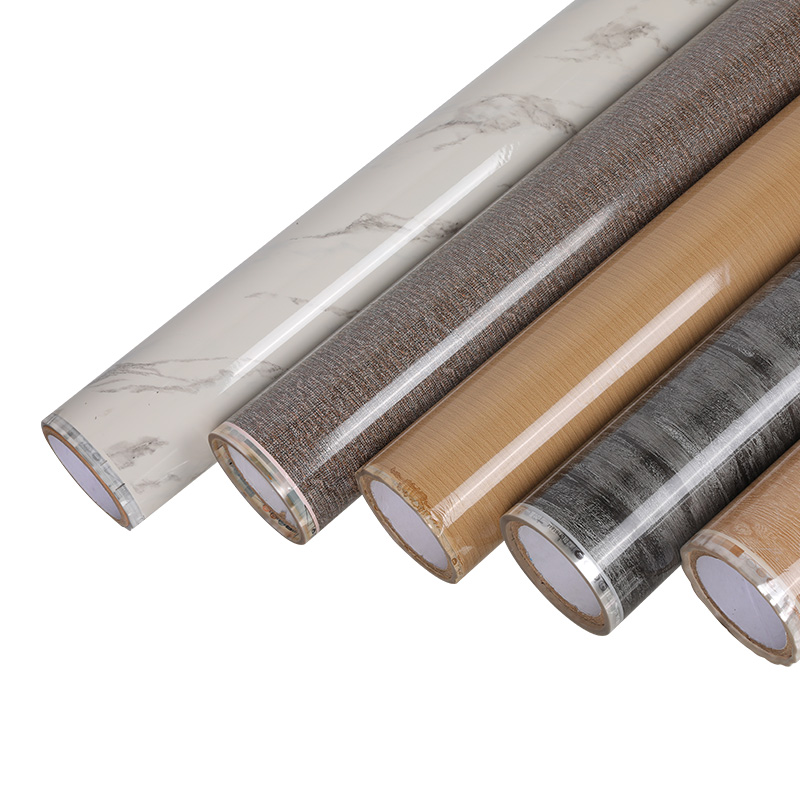
The foundation of a durable hot-stamped surface begins with proper substrate selection and preparation. Heat Resistant Hot Stamping Foil relies on thermal bonding between the adhesive layer and the base material. Different substrates—such as PVC, PS, MDF, or WPC—respond differently to heat and pressure, which directly affects adhesion strength. When surface moisture, oil, or dust is present, the transfer film may fail to bond evenly, reducing resistance to peeling or abrasion.
Environmental exposure is one of the main external factors influencing the lifespan of hot stamping foil. Constant sunlight, humidity, and temperature changes can gradually affect the appearance and adhesion of decorative surfaces.
To maintain visual quality, products installed near windows, ceilings, or semi-outdoor areas should use foils with enhanced UV and heat resistance layers. These protective coatings act as a barrier that slows down molecular degradation caused by ultraviolet radiation. Temperature control during installation and use also plays a role. When panels or moldings expand and contract repeatedly due to heat, the foil’s bond may weaken over time. Proper ventilation and controlled indoor humidity can help maintain dimensional stability, reducing stress on the surface layer.
Manufacturing consistency is another major determinant of foil lifespan. The heat and pressure applied during transfer must match the technical characteristics of both the foil and substrate. If temperature settings are too low, bonding may be incomplete; if too high, the surface may deform or discolor. Accurate calibration of roller pressure, temperature, and transfer speed ensures that the foil layers fuse effectively, resulting in a stable and uniform finish.
The condition of production equipment also affects long-term performance. Worn rollers, uneven pressure, or misalignment in stamping machines can cause inconsistent film thickness or adhesion. Regular maintenance, proper operator training, and precise process monitoring all help preserve foil performance and extend its usable life on the finished product.
In construction and interior applications, decorative panels and moldings are often exposed to cleaning agents, adhesives, or other chemicals. Some substances may react with the surface coating, gradually dulling the color or reducing adhesion. Even mild detergents can cause micro-abrasion if used repeatedly without proper dilution.
To preserve surface integrity, neutral or non-abrasive cleaning agents are recommended. Harsh solvents, alcohol-based cleaners, or high-pressure washing should be avoided on decorated surfaces. The dense, sealed structure of Heat Resistant Hot Stamping Foil helps resist mild chemical exposure, but repeated or prolonged contact still weakens its protective layer. By selecting appropriate cleaning products and maintenance methods, building material users can significantly extend decorative surface lifespan.
Even before installation, handling methods play a crucial role in the long-term durability of foil-decorated materials. During transport or storage, improper stacking or friction between panels may cause surface scratches or pressure marks. Maintaining proper storage conditions—such as stable temperature, moderate humidity, and protection from direct sunlight—helps preserve foil flexibility and adhesion before use.
During installation, avoiding sharp tools or excessive force prevents tearing or detachment. If trimming or bending is necessary, temperature adjustments should be made to maintain material pliability. Incorrect cutting angles or cold bending can create micro-cracks that expand under heat, eventually reducing decorative longevity.

Contact Information
 +86-13665889229
 +86-0579-89123153
 Ditian Industrial Park, Xiaoshun Town, Jindong District, Jinhua City, Zhejiang, China.
Get in Touch
Copyright © Jinhua Zengcai Decoration Materials Co., Ltd. All Rights Reserved.
 Wholesale Hot Stamping Foil


 English
 中文简体
中文简体 عربى
عربى