Industry News
 2026.02.13
 Industry News
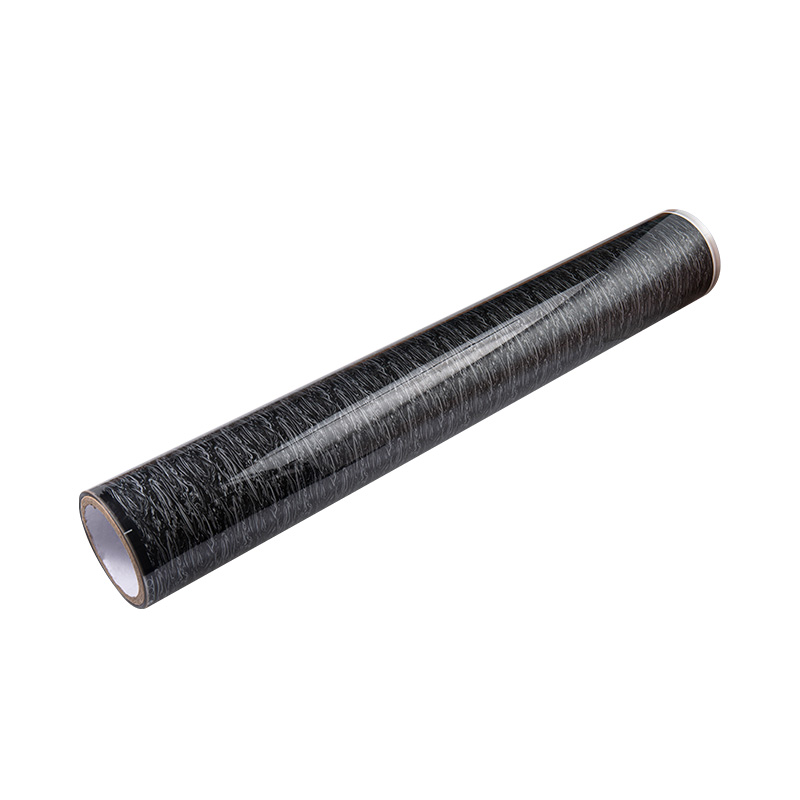
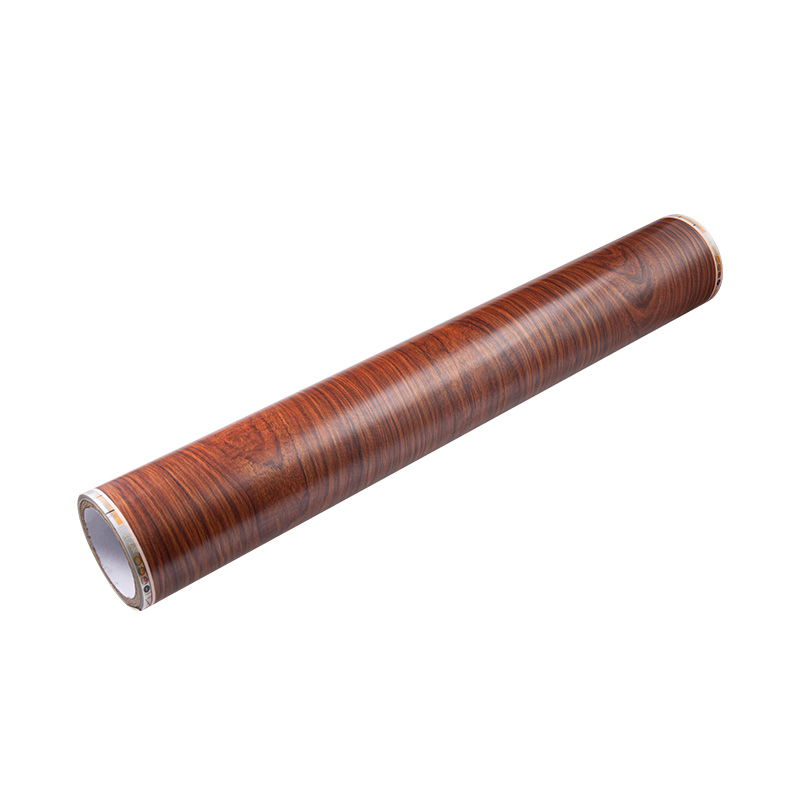
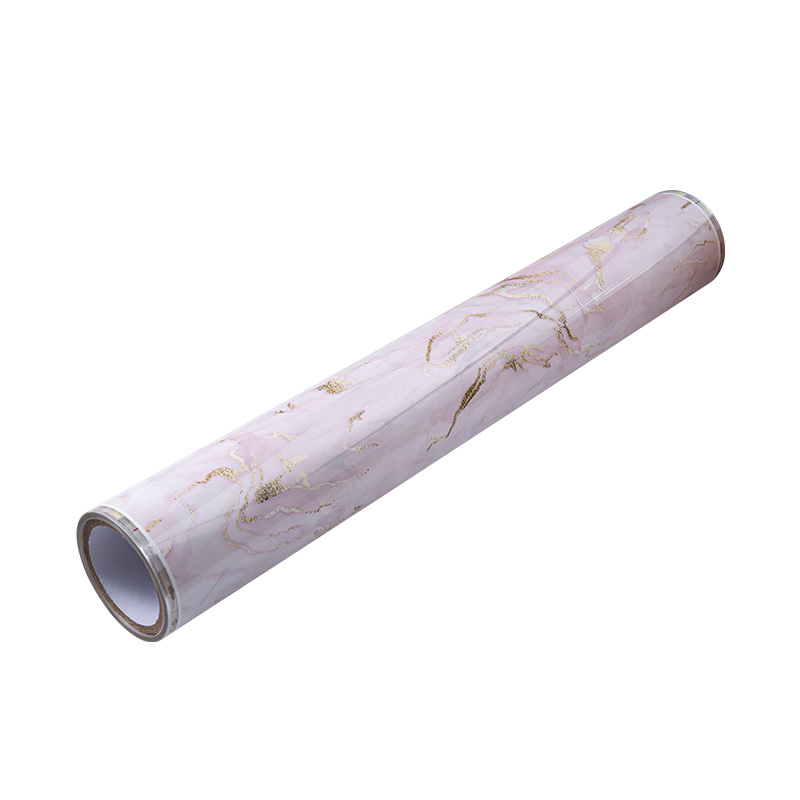
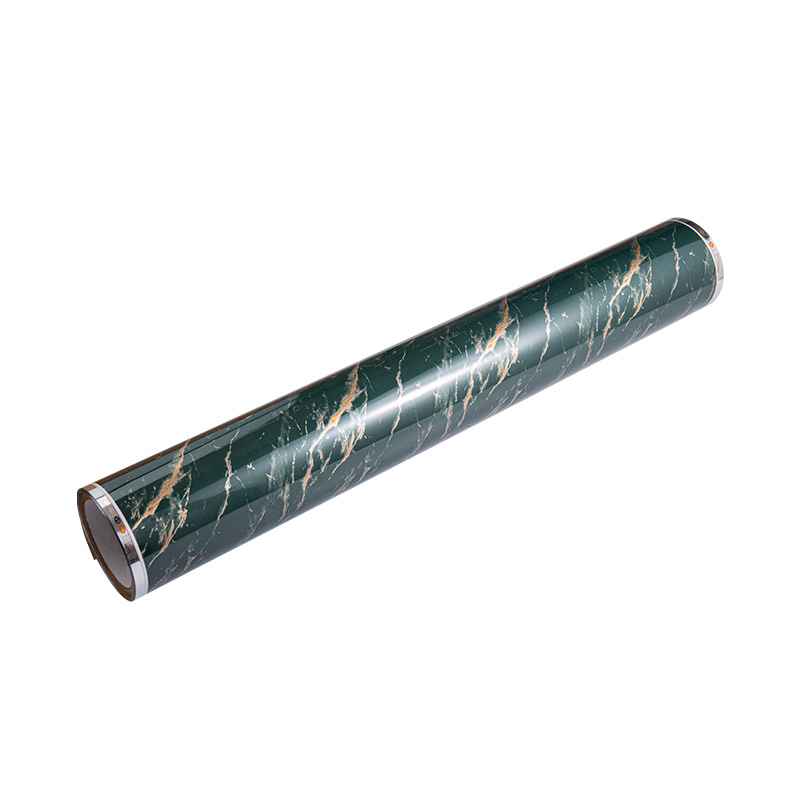
Applying decorative finishes to metal and furniture surfaces has become a practical approach to enhancing product appearance and tactile experience. Among the options available, Furniture Hot Stamping Foil and Brushed Hot Stamping Foil offer versatile methods for adding texture and visual interest to a wide range of surfaces. These foils provide a controlled way to transfer patterns such as wood grain, metallic sheens, or brushed textures onto coated metals and high-temperature plastics, supporting both design flexibility and production consistency.
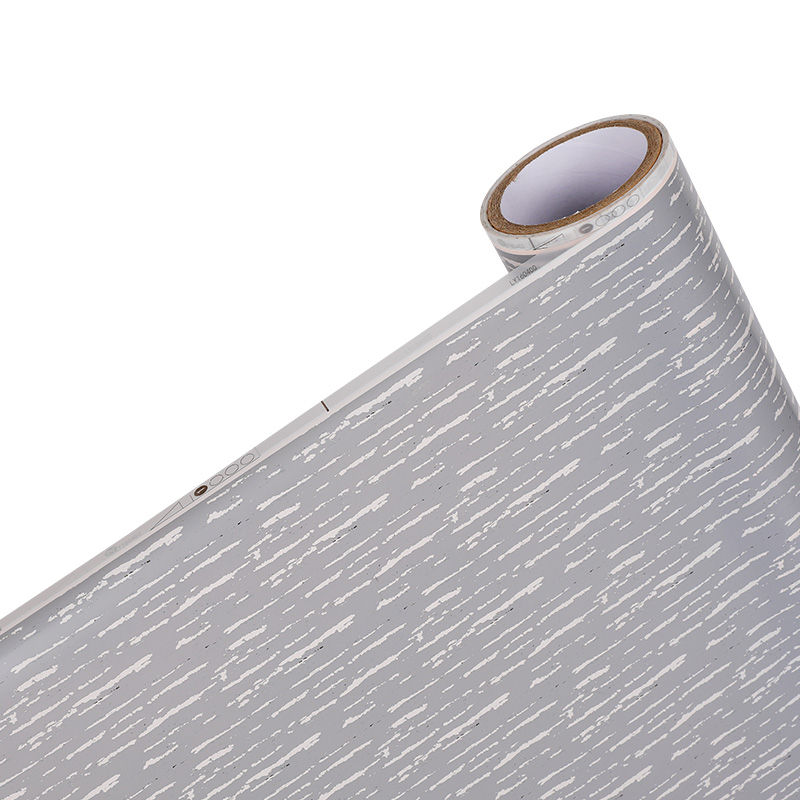
Furniture hot stamping foil is a thin, heat-sensitive material designed to transfer decorative patterns onto prepared surfaces through a combination of heat and pressure. This foil can be applied to metals, coated plastics, and other treated surfaces, allowing consistent pattern transfer without extensive surface preparation. Surfaces treated with powder coating, spray coating, or electrophoresis generally accept the foil without additional primers, making it suitable for both flat panels and complex forms.
The foil’s flexibility is particularly helpful when working with metal furniture, such as table frames, cabinet panels, or appliance covers. Curved edges, corners, and irregular shapes can receive the same pattern continuity as flat areas, ensuring uniformity across the product. The transferred layer typically penetrates 40–60 microns into the coating, creating a durable yet visually integrated surface without significantly altering the underlying material.
Brushed hot stamping foil is specifically formulated to reproduce linear textures often associated with metallic finishes. This type of foil allows for a consistent appearance of brushed metal patterns on aluminum, stainless steel, or coated steel surfaces. The pattern can enhance both the visual and tactile quality of the product, giving it a layered effect that reflects light subtly without introducing irregularities.
The practical advantage of brushed foils is their adaptability to varied shapes and sizes. Even complex metal components with rounded edges or angular contours can retain a continuous brushed appearance. The smooth surface generated by the foil also resists minor dust accumulation and simplifies cleaning, which is important for furniture and decorative metal applications that are handled frequently.
The transfer process for both furniture and brushed hot stamping foils relies on controlled heat and pressure. During stamping, the foil’s pigment and texture layer bond with the coating on the substrate, reproducing patterns accurately and consistently. This process is effective for a wide range of designs, including wood grain effects, metallic gloss, or brushed textures.
Substrate compatibility is broad. Metals such as powder-coated aluminum, stainless steel, and high-temperature-resistant plastics can accept the foil. Surfaces treated with paint, spray coating, or electrophoresis can also be decorated without additional preparation. This allows manufacturers to apply decorative patterns efficiently across multiple product types and production stages.
Furniture hot stamping foil and brushed hot stamping foil are widely used in products where texture and appearance contribute to user experience. Common applications include:
These foils provide a way to create a consistent texture across a wide area while accommodating shapes that may be difficult for conventional coatings. The controlled depth and uniformity of the transferred layer make it easier to maintain visual consistency in mass-produced items.
Modern hot stamping foils are generally formulated with low-emission, non-toxic materials. During processing, minimal substances are released, making it suitable for indoor production environments. Odorless and compliant with environmental standards, these foils reduce concerns about workplace exposure and help maintain a safe production setting. Their safe handling also makes them suitable for applications in furniture and household items where human contact is frequent.
A practical benefit of brushed hot stamping foil is its surface consistency and ease of maintenance. The dense and smooth texture prevents minor scratches and simplifies cleaning. Dust or light stains can be removed with simple wiping without affecting the transferred pattern. This is particularly useful for furniture and decorative metal items that are in regular use or subject to handling.
By using foils rather than liquid coatings, manufacturers can also reduce variability between production batches. Pre-formed textures and colors allow a higher degree of uniformity, which can help reduce additional finishing steps and quality checks. This makes decorative processes more manageable while ensuring that each piece meets visual expectations.

Contact Information
 +86-13665889229
 +86-0579-89123153
 Ditian Industrial Park, Xiaoshun Town, Jindong District, Jinhua City, Zhejiang, China.
Get in Touch
Copyright © Jinhua Zengcai Decoration Materials Co., Ltd. All Rights Reserved.
 Wholesale Hot Stamping Foil


 English
 中文简体
中文简体 عربى
عربى