Industry News
 2026.02.20
 Industry News
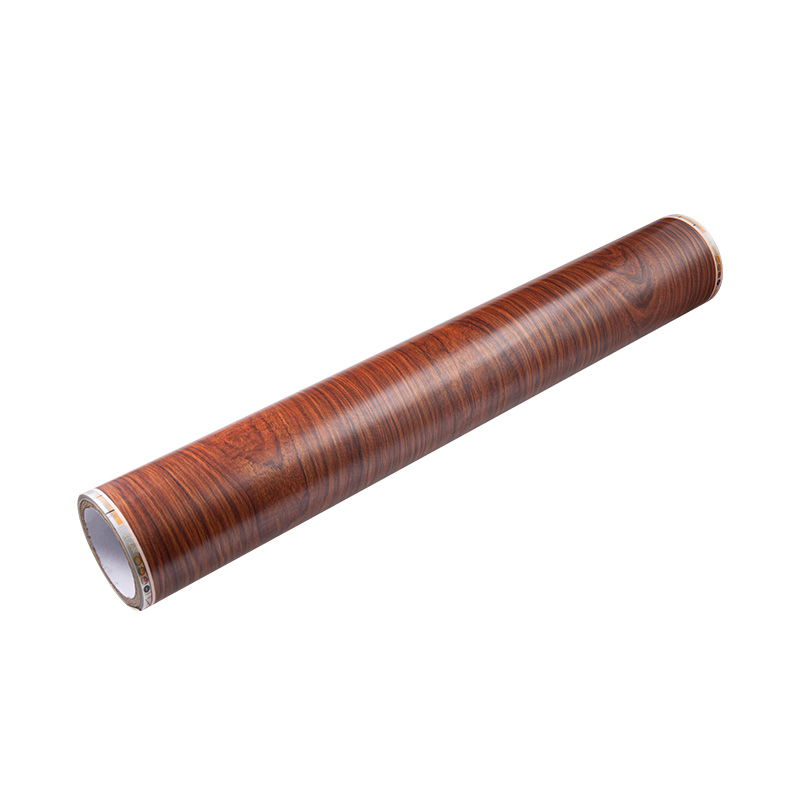
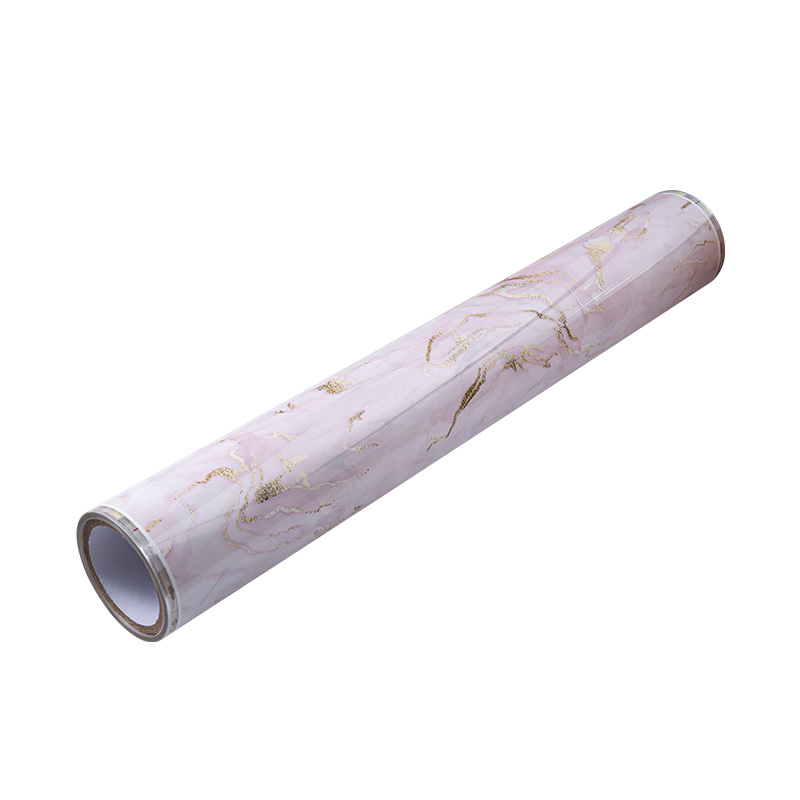
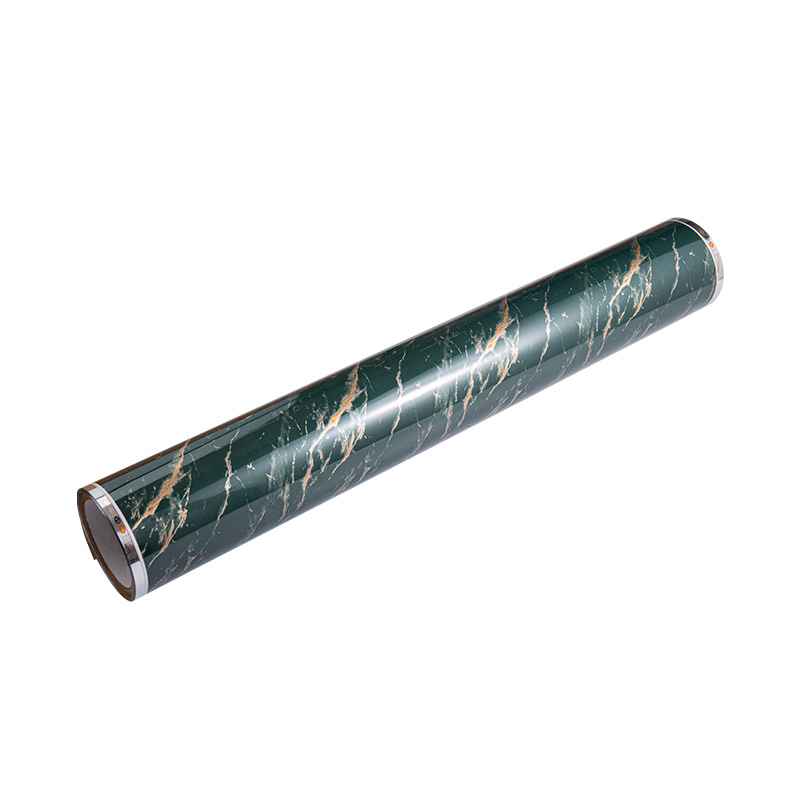
Applying decorative finishes to metal and furniture surfaces requires methods that adapt to different shapes while maintaining consistent appearance. Furniture Hot Stamping Foil and Brushed Hot Stamping Foil provide solutions that work effectively on curved, angled, and irregular surfaces. These foils allow patterns such as wood grain, metallic sheen, or brushed textures to be transferred uniformly onto coated metals, plastics, or composite surfaces, providing both visual and tactile uniformity.
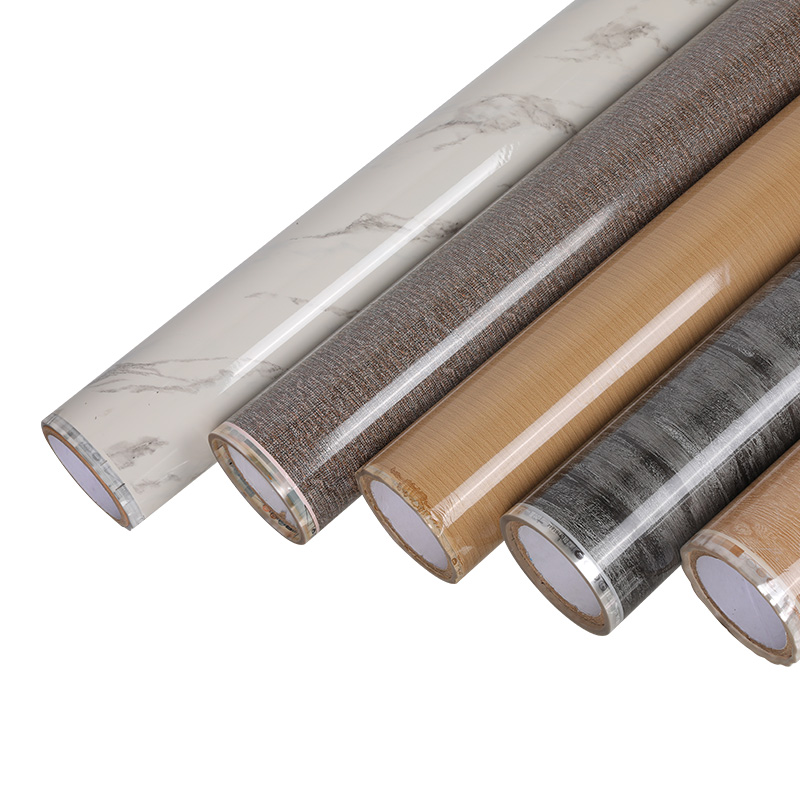
Furniture hot stamping foil is a thin, heat-sensitive film designed to transfer patterns through heat and pressure. Its flexibility allows it to conform to surfaces beyond simple flat panels, which is particularly useful for curved edges, rounded corners, or complex furniture frames. The foil integrates with coatings such as powder-coated metals, painted or sprayed surfaces, and high-temperature-resistant plastics without requiring extensive surface preparation.
The process embeds the decorative layer into the coating to a depth of 40–60 microns, creating a stable texture that aligns with the underlying shape. This depth helps maintain pattern continuity even when the foil wraps around curves or follows detailed contours, preventing interruptions in visual flow that are common in conventional surface treatments.
Brushed hot stamping foil is formulated to reproduce linear, metallic-like patterns that highlight surface contours. When applied to curved surfaces, the foil maintains the alignment of the brushed pattern, preserving a continuous appearance. The linear texture interacts with light in subtle ways, enhancing the perception of depth and supporting the intended decorative effect.
One practical feature of brushed foils is their adaptability to diverse substrate types. Aluminum, stainless steel, and coated steel surfaces all accept the transfer without requiring additional primers. The foil’s flexibility helps maintain consistent adhesion across curves, preventing cracking, lifting, or pattern distortion that might occur with rigid decorative films or paint layers.
The transfer process relies on controlled heat and pressure, which causes the pigment and texture layer of the foil to bond with the coating on the surface. For curved or irregular shapes, the flexibility of the foil ensures that the pattern remains continuous while conforming to angles and bends. This process is effective for a variety of textures, including wood grains, metallic finishes, and brushed effects, allowing designers to maintain consistency across multiple production units.
Because the foil can follow three-dimensional shapes, surfaces that are traditionally difficult to decorate—such as rounded furniture legs, contoured appliance panels, or decorative trims—can receive the same level of texture uniformity as flat surfaces. The result is a smooth and dense surface that can be cleaned easily without affecting the transferred pattern.
Furniture and brushed hot stamping foils are compatible with a wide range of materials. Powder-coated metals, high-temperature plastics, and painted surfaces can all be used as substrates. Electrophoresis-treated coatings also accept the transfer without additional preparation, making the foils suitable for multiple furniture components or decorative elements within the same production line.
This versatility allows designers to explore combinations of textures and patterns. For example, a brushed metallic finish can be combined with wood-like effects to create layered visual depth. The foil can also accommodate detailed patterns that follow curves, edges, and complex shapes, making it suitable for modern furniture designs where both appearance and surface feel are considered.
The practical benefits of hot stamping foils on curved surfaces extend to both production and maintenance. Because the foil is pre-formed with the desired pattern, it reduces variation between units, helping to maintain consistency across batches. The transferred layer is dense, smooth, and resistant to minor abrasion, simplifying cleaning and routine maintenance.
For manufacturers, the process is efficient. Curved panels can be decorated in a single transfer step, reducing the need for additional coating, sanding, or finishing operations. This contributes to predictable production times and more manageable workflow without requiring specialized equipment for each shape.
Hot stamping foils are widely applied in furniture and decorative metal products, especially where curved surfaces are involved. Typical applications include:
Using foils ensures that the decorative patterns remain continuous and visually coherent, regardless of shape or complexity. The combination of flexibility, depth of transfer, and texture alignment supports consistent results across different types of components.

Contact Information
 +86-13665889229
 +86-0579-89123153
 Ditian Industrial Park, Xiaoshun Town, Jindong District, Jinhua City, Zhejiang, China.
Get in Touch
Copyright © Jinhua Zengcai Decoration Materials Co., Ltd. All Rights Reserved.
 Wholesale Hot Stamping Foil


 English
 中文简体
中文简体 عربى
عربى