Industry News
 2026.02.27
 Industry News
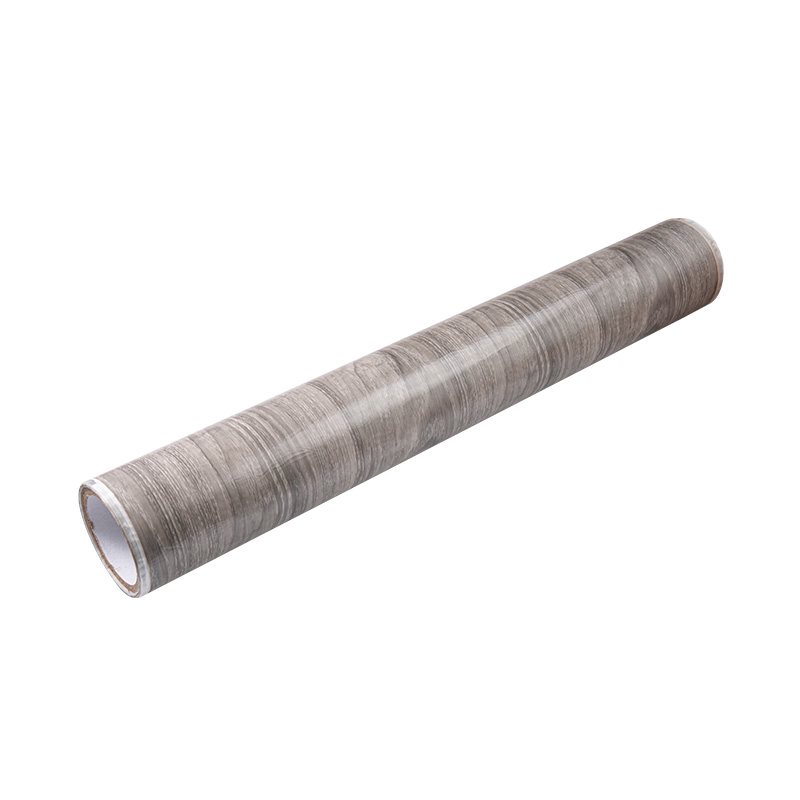
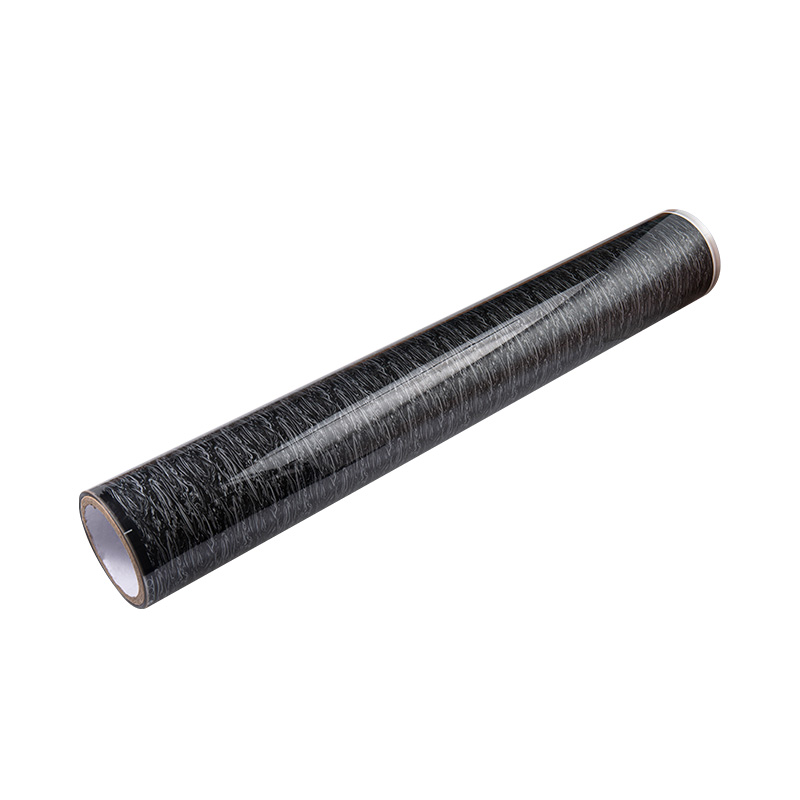
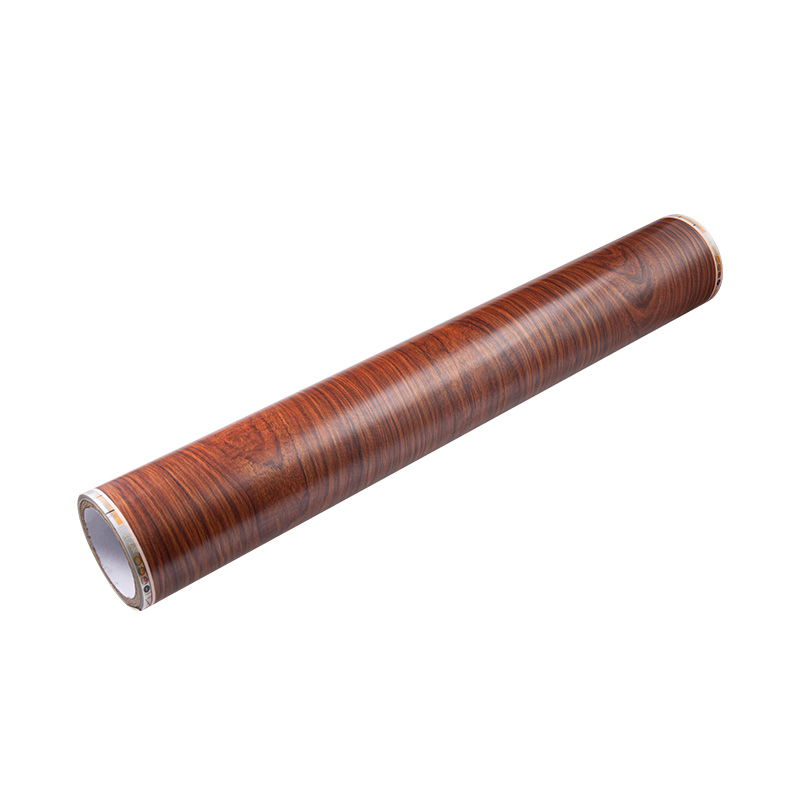
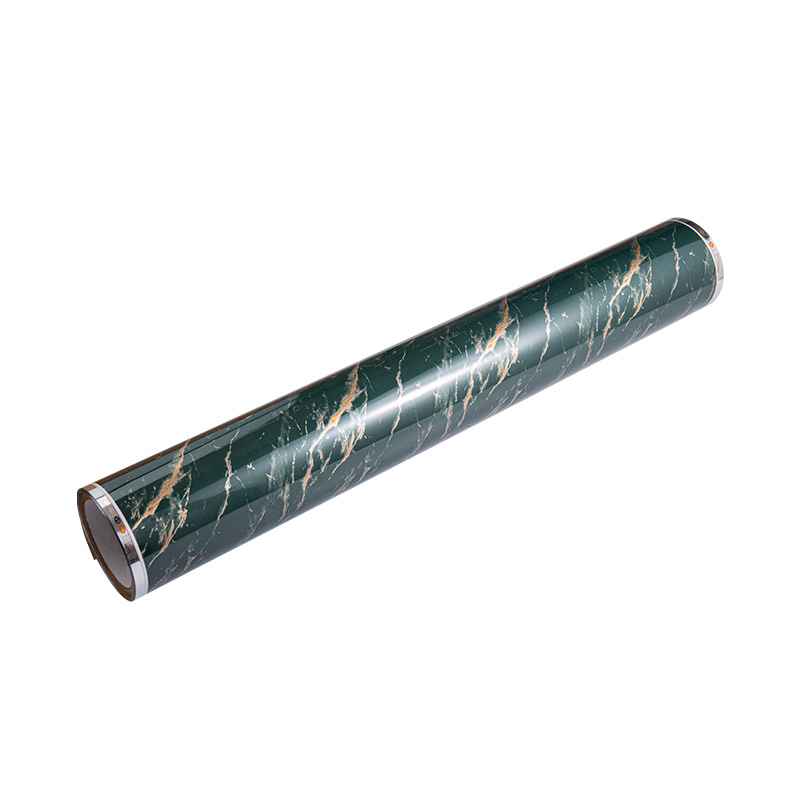
Decorating furniture and metal surfaces often requires methods that can apply patterns consistently across both flat and complex forms. Furniture Hot Stamping Foil and Brushed Hot Stamping Foil provide practical solutions for transferring textures and patterns such as wood grains, metallic sheens, and brushed finishes onto coated surfaces. These foils allow designers and manufacturers to enrich surface appearance while maintaining manageable production processes.
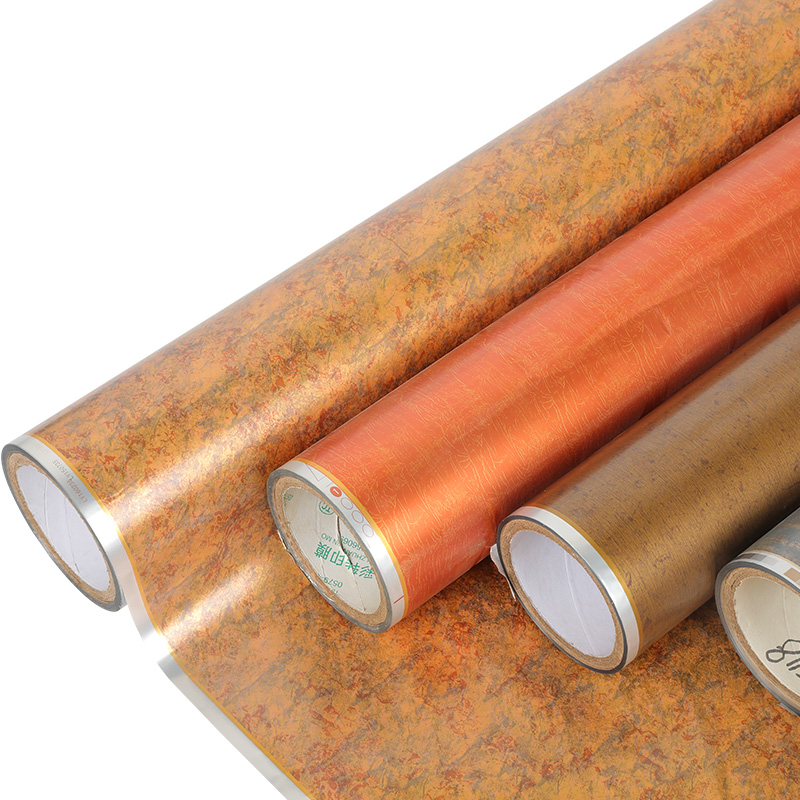
Furniture hot stamping foil is a flexible, heat-sensitive film that transfers decorative patterns onto prepared surfaces using heat and pressure. This method allows a wide range of materials to be decorated, including powder-coated metals, painted or sprayed plastics, and other high-temperature-resistant surfaces. The foil conforms to flat areas as well as curves and edges, producing a uniform layer that penetrates the coating by 40–60 microns. This embedding creates consistent texture alignment, supporting continuity across large or irregular surfaces.
Unlike traditional coatings, the foil does not require extensive surface preparation. It adheres directly to powder-coated or painted surfaces, allowing efficient application on furniture panels, metal frames, and decorative trims. This method is particularly useful for components with three-dimensional shapes, where conventional finishes may struggle to maintain even texture.
Brushed hot stamping foil is designed to reproduce linear metallic-like patterns that interact subtly with light. When applied to metal or coated surfaces, it can provide a layered appearance that enhances visual depth without significantly altering surface characteristics. The linear texture maintains its alignment even on curved or irregular shapes, supporting consistent surface design.
Brushed foils are suitable for a variety of metal types, including aluminum and stainless steel. They conform to complex shapes while maintaining adhesion and pattern integrity. This adaptability makes the foils practical for furniture components such as handles, panel edges, and decorative trims that may include curves, angles, or recesses.
The process of hot stamping relies on controlled heat and pressure to transfer the decorative layer from the foil to the substrate. During stamping, the pigment and texture layers bond with the coated surface, producing a finish that follows the surface’s contours. This process enables uniform replication of patterns such as wood grains, metallic finishes, or brushed textures.
By embedding the design into the coating, the foil produces a consistent tactile and visual experience. Patterns remain continuous over edges, curves, and irregular surfaces, reducing the need for additional finishing steps. The smooth and dense layer also supports easier cleaning and routine maintenance, which is important for furniture or appliances used regularly.
Furniture hot stamping foil and brushed hot stamping foil are widely applied in products that benefit from consistent surface texture and appearance. Typical uses include:
These foils enable consistent visual effects across different shapes, helping designers maintain a uniform appearance across components and assemblies. Their ability to transfer detailed patterns efficiently supports the production of furniture and decorative items with varied shapes and sizes.
Hot stamping foils are compatible with powder-coated metals, stainless steel, aluminum, high-temperature plastics, and painted or sprayed surfaces. They also perform well on electrophoresis-treated coatings, allowing a wide range of decorative possibilities. This versatility supports different product lines or components within the same production process, maintaining consistent appearance across multiple substrates.
Designers can use these foils to combine textures, such as wood grains and metallic sheens, creating layered visual effects. The foils follow curves, angles, and irregular shapes, allowing continuous texture alignment without distortion. This flexibility supports creativity in surface design while maintaining efficiency in production.
Modern furniture and brushed hot stamping foils are formulated with low-emission, non-toxic materials. During production, minimal substances are released, allowing safe operation in indoor environments. Odorless and compliant with environmental standards, these foils are suitable for furniture, appliances, and decorative elements that come into contact with users. Their safe handling reduces workplace concerns and aligns with environmental considerations for manufacturing and interior applications.

Contact Information
 +86-13665889229
 +86-0579-89123153
 Ditian Industrial Park, Xiaoshun Town, Jindong District, Jinhua City, Zhejiang, China.
Get in Touch
Copyright © Jinhua Zengcai Decoration Materials Co., Ltd. All Rights Reserved.
 Wholesale Hot Stamping Foil


 English
 中文简体
中文简体 عربى
عربى