Industry News
 Home / News / Industry News / Where Can PVC Hot Stamping Foil Improve Fencing And Decking Appearance?
  2026.03.06
 Industry News
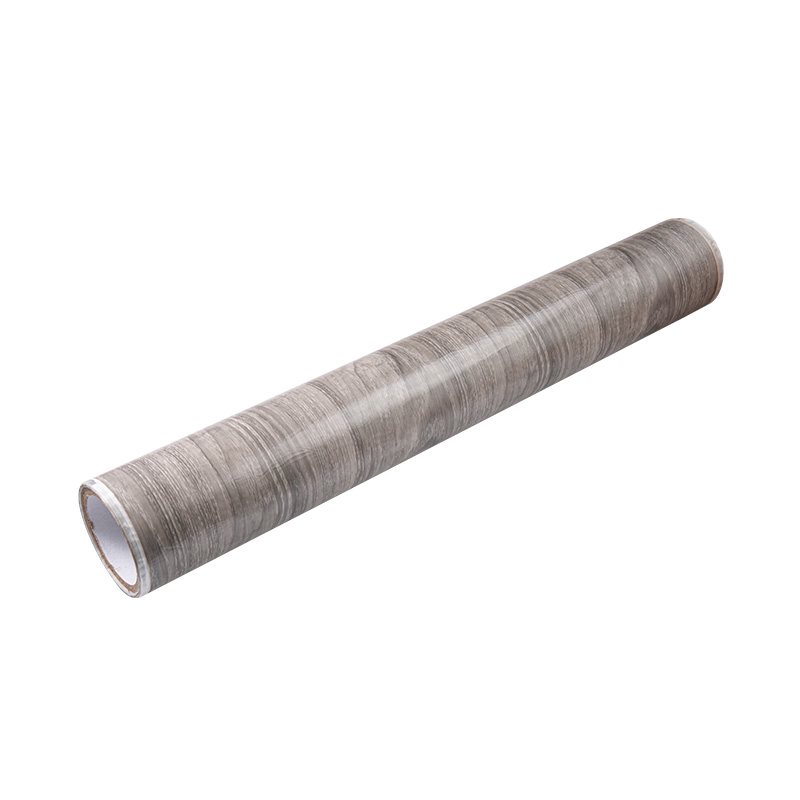
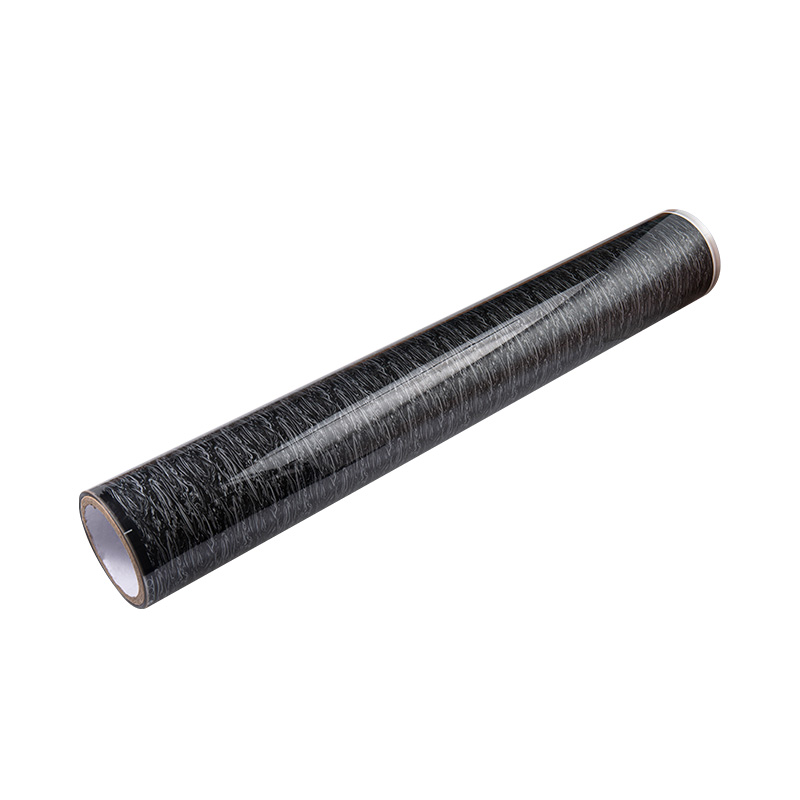
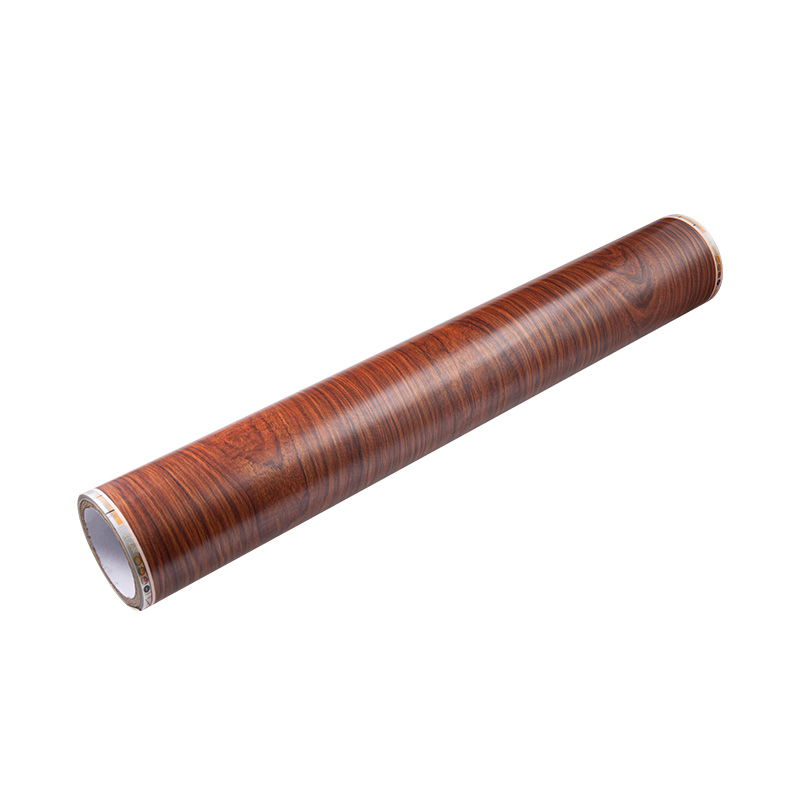
Outdoor structures like fences and decks often require more than just durability to look appealing. Decorative surfaces can significantly influence the overall appearance, and PVC Hot Stamping Foil and Bronze Hot Stamping Foil provide practical solutions for this purpose. Designed for use with WPC, PVC, ABS, and select composite materials, these foils allow consistent designs without changing the base material's structural properties. They are particularly useful for projects where both visual appeal and resistance to environmental factors are necessary.
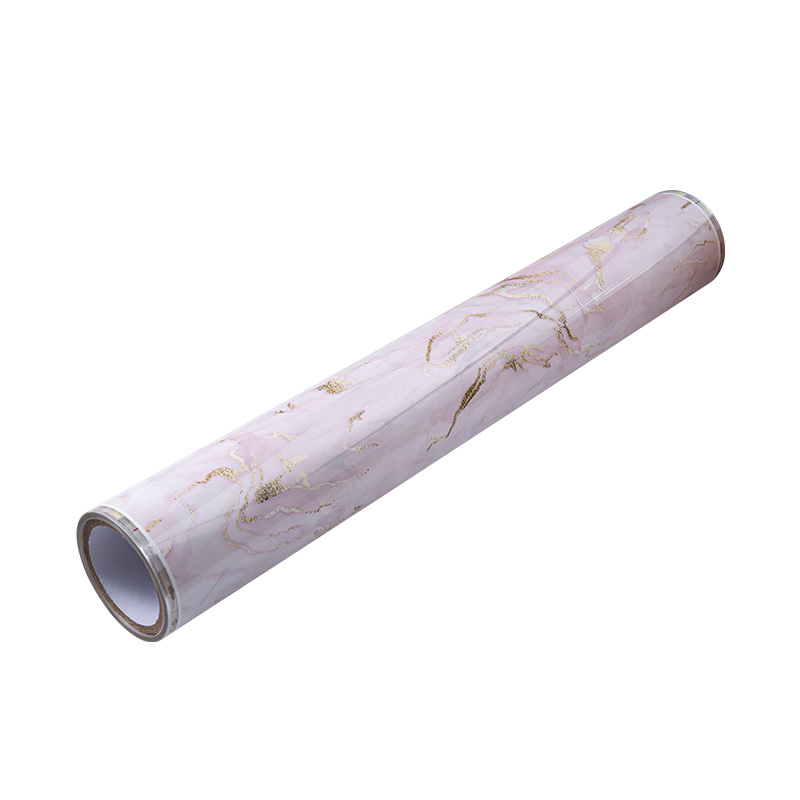
PVC Hot Stamping Foil bonds to plastic surfaces through a controlled combination of heat, pressure, and dwell time. When applied correctly, it can give fencing and decking panels a more visually appealing surface by introducing wood-like textures, subtle patterns, or color accents. For example, synthetic decking boards can gain a natural wood appearance, enhancing aesthetic appeal while retaining the low-maintenance advantages of PVC. Proper surface preparation is crucial: panels must be clean, dry, and free from dust, oils, or release agents. Embossed or textured surfaces can add visual interest, but careful alignment is necessary to avoid overlapping or uneven transfers, which can affect the final appearance.
Bronze Hot Stamping Foil offers a metallic finish that adds subtle decorative highlights to outdoor structures. Its practical applications include:
Selecting foil variants that resist UV exposure and moisture is important for outdoor use, helping the surface maintain its appearance over time. Certain Bronze Hot Stamping Foil options are also compatible with metals and wood, making them flexible for projects that incorporate multiple materials. Using these foils in combination with base materials can support both aesthetic consistency and practical durability.
Achieving a uniform and lasting transfer depends on controlling key process variables. Temperature, pressure, and dwell time must be carefully monitored during application. For example, small test transfers on sample panels allow users to adjust these variables before working on large sections, reducing material waste and ensuring consistent results. Maintaining steady pressure and correct temperature settings across the entire surface prevents partial adhesion or wrinkling. This approach is particularly important for large-scale decking or fencing installations, where even minor inconsistencies can become noticeable over repeated panels.
PVC Hot Stamping Foil adheres effectively to plastics such as WPC, PVC, and ABS, with some variants also suitable for metals and woods. Smooth or lightly textured surfaces may require minor sanding to improve adhesion and ensure uniform transfer. Proper surface preparation reduces the risk of uneven application and supports a clean, consistent finish. This preparation also extends the usability of the foil across different types of panels, making it a versatile choice for diverse outdoor applications.
Hot stamping foils allow a wide range of decorative possibilities without altering the base material. Combining PVC and Bronze Hot Stamping Foils can create layered patterns or two-tone effects along deck borders, fence panels, or architectural accents. This flexibility is valuable for contractors and designers who want to create visually distinct sections or add subtle decorative elements without additional steps like painting, staining, or laminating. Using foils in creative combinations can also help differentiate functional areas, such as steps, corners, or perimeter borders.
While these foils are designed to endure outdoor exposure, routine care helps maintain their appearance over time. Surfaces can be cleaned with mild detergents to remove dirt and debris, while abrasive cleaning tools should be avoided to prevent scratches or peeling. Regular inspection, particularly in high-traffic areas or sections exposed to frequent moisture, can prevent early wear and support the continued visual effect of the foil. Following these practices reduces maintenance needs while keeping the decorative surfaces looking consistent.ial areas of fencing and decking in a practical and efficient way, enhancing the overall layout without complicating the installation process.
For larger decking or fencing projects, organization and preparation ensure uniform results. Panels should be aligned according to foil direction and pattern to avoid visible inconsistencies across the surface. Environmental conditions, such as temperature and humidity, should be considered during application to maintain even adhesion. Storing foils properly before use also contributes to consistent performance. By planning the workflow and testing on sample sections, contractors can achieve a more uniform and visually cohesive result across extensive outdoor installations.

Contact Information
 +86-13665889229
 +86-0579-89123153
 Ditian Industrial Park, Xiaoshun Town, Jindong District, Jinhua City, Zhejiang, China.
Get in Touch
Copyright © Jinhua Zengcai Decoration Materials Co., Ltd. All Rights Reserved.
 Wholesale Hot Stamping Foil


 English
 中文简体
中文简体 عربى
عربى