Industry News
 2026.02.06
 Industry News
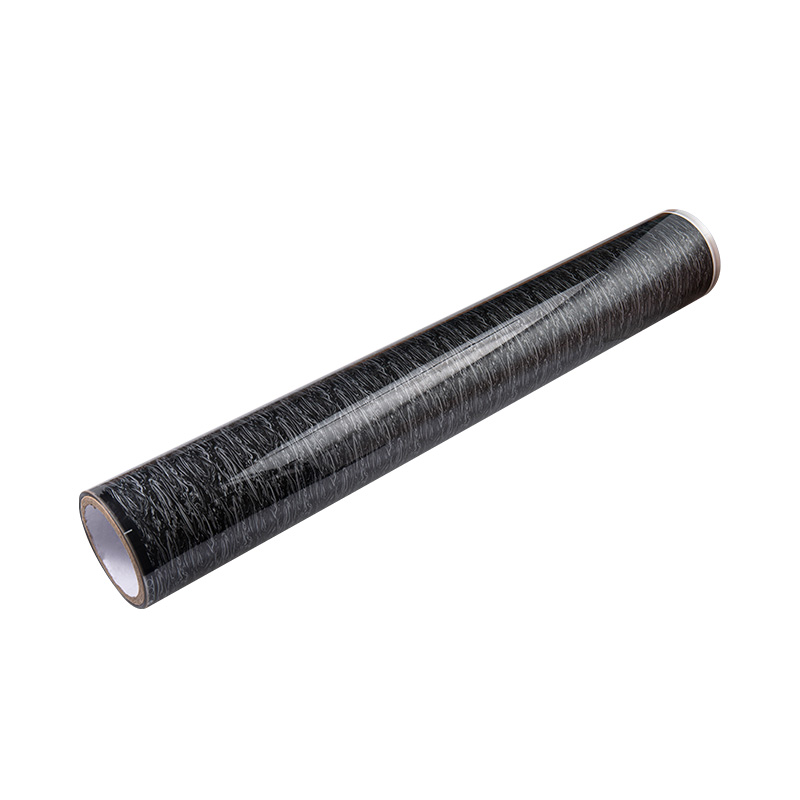
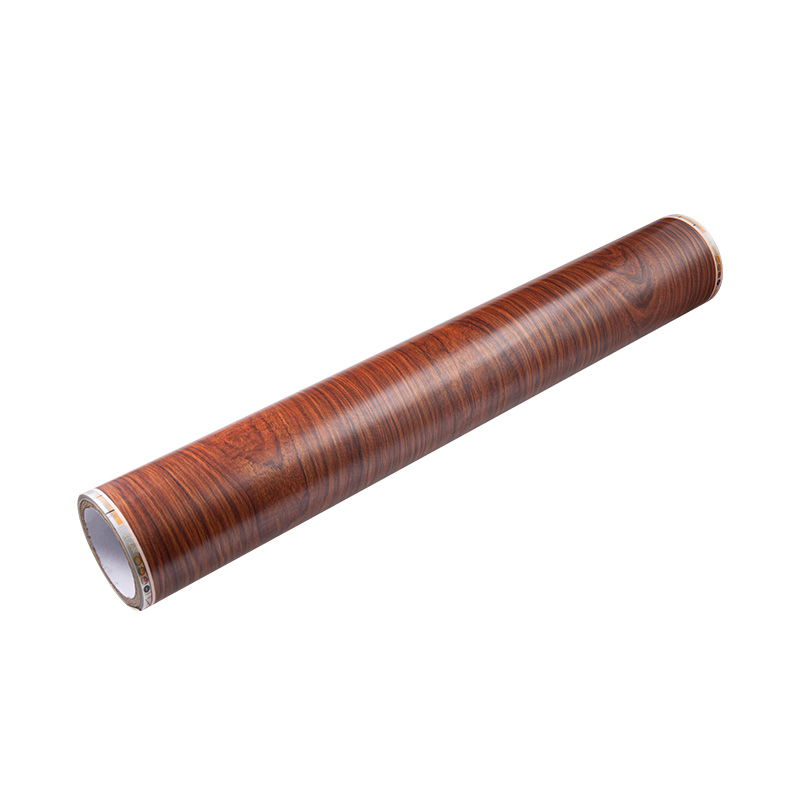
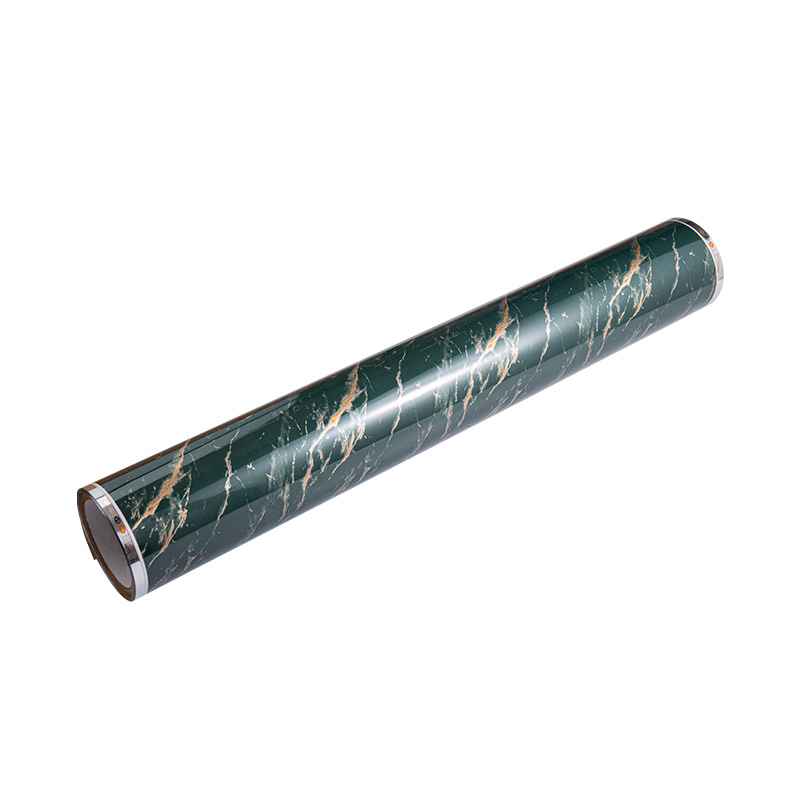
Decorating metal surfaces with decorative foils has become a practical approach for furniture, appliances, and interior design elements. Among the options available, Furniture Hot Stamping Foil and Brushed Hot Stamping Foil offer versatile solutions for enhancing both aesthetic and functional qualities of metal products. These foils allow designers and manufacturers to apply wood-like, metallic, or textured finishes efficiently, while keeping the surface consistent and manageable during production.
Furniture hot stamping foil is a thin, flexible material designed to transfer decorative patterns onto various surfaces using heat and pressure. The foil is compatible with metals, plastics, and coated surfaces, allowing the surface texture and color to adhere uniformly. One of its key practical aspects is the ability to conform to surfaces of different shapes, including flat panels, curved edges, and complex contours, which is particularly useful for metal furniture frames and decorative panels.
Unlike traditional painting or coating methods, this foil requires minimal surface preparation. Surfaces treated with powder coating, spray coating, or electrophoresis can accept the foil pattern without additional chemical primers. The transfer process usually completes within a few minutes, creating a patterned layer that integrates with the surface at a depth of around 40–60 microns. This method provides consistent texture reproduction, whether it is wood grain, brushed metal, or other decorative motifs, ensuring a uniform finish across large or irregular components.
Brushed hot stamping foil is specifically designed to reproduce the subtle linear patterns often seen on metallic surfaces. The foil offers a controlled finish that highlights the texture of aluminum, stainless steel, and other metal alloys without altering the surface properties significantly. The brushed effect creates a layered appearance that combines visual depth with smooth tactile feedback, which is desirable for furniture handles, decorative panels, or appliance frames.
One practical advantage of brushed foils is their adaptability. They can follow irregular shapes without breaking the visual continuity of the pattern. The foil maintains adhesion even on edges and corners, which can be challenging for conventional coatings. Additionally, the surface produced by this method remains smooth and dense, resisting dust accumulation and simplifying maintenance. This quality is particularly relevant in furniture applications where cleaning and long-term appearance retention are important considerations.
The performance of both furniture and brushed hot stamping foils relies on the sublimation or penetration transfer process. During stamping, heat and pressure cause the foil’s pigment layer to bond with the coating on the metal, transferring the desired pattern efficiently. This process allows consistent replication of textures such as wood grains, metallic gloss, or brushed finishes, ensuring the decorative effect aligns with design intentions.
These foils are compatible with a wide range of materials. Powder-coated aluminum, stainless steel, high-temperature plastics, and MDF boards can all be used as substrates. Surfaces treated by painting, spraying, or electrophoresis also accept the transfer without additional preparation. This versatility makes hot stamping foils suitable for various industrial and decorative applications, including office furniture, cabinetry, appliance panels, and architectural features.
Modern hot stamping foils are developed with non-toxic materials and low emission properties. During processing, the foil releases minimal substances, making it safer for indoor production and for end-users. Odorless and eco-conscious, the foil can be applied in workplaces with standard ventilation without requiring specialized containment systems. This aspect also contributes to compliance with regulatory requirements for materials in furniture and interior environments.
Using brushed hot stamping foil can help maintain consistent decorative quality across different batches of production. This reduces the need for extensive quality checks and post-processing adjustments, which can save time and resources in mid-scale or large-scale production runs.
Another advantage is the simplicity of surface maintenance after transfer. The foil layer is dense and smooth, making it easier to wipe off dust or minor stains without affecting the visual pattern. This property is especially useful for furniture surfaces in daily use, where exposure to dust, moisture, or handling is frequent.
Furniture hot stamping foil and brushed hot stamping foil are applied in a variety of contexts. They are commonly used on:
The adaptability of these foils allows manufacturers to produce complex designs efficiently while keeping material handling straightforward. Surfaces that are curved, angled, or irregularly shaped can receive the same level of finish quality as flat panels, maintaining visual continuity across the product.
Selecting a suitable hot stamping foil depends on the intended surface, design complexity, and production process. Furniture hot stamping foil and brushed hot stamping foil provide reliable options for metal decoration due to:

Contact Information
 +86-13665889229
 +86-0579-89123153
 Ditian Industrial Park, Xiaoshun Town, Jindong District, Jinhua City, Zhejiang, China.
Get in Touch
Copyright © Jinhua Zengcai Decoration Materials Co., Ltd. All Rights Reserved.
 Wholesale Hot Stamping Foil


 English
 中文简体
中文简体 عربى
عربى