Industry News
 2026.01.09
 Industry News
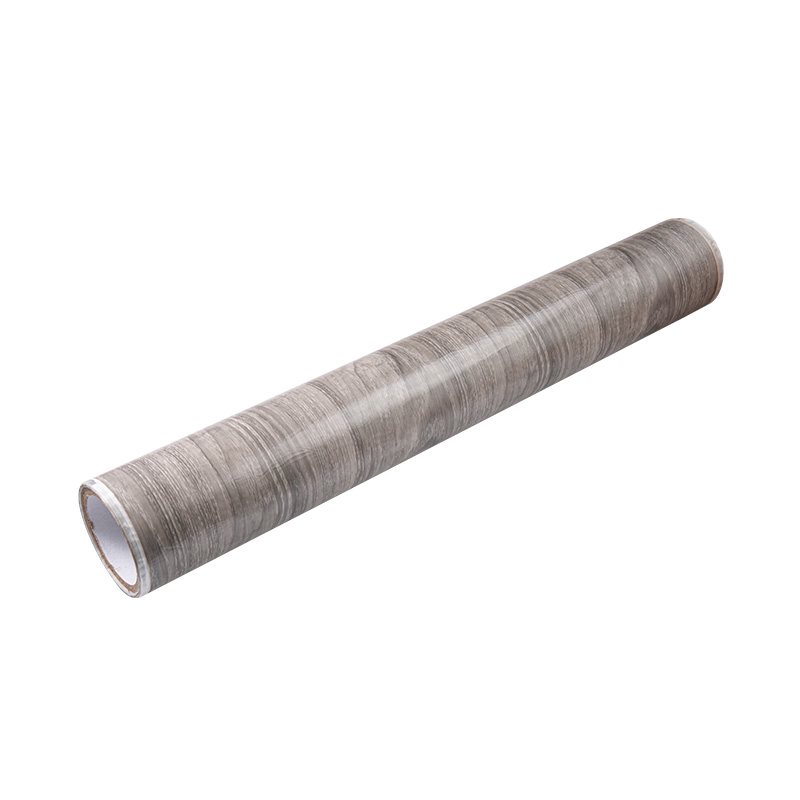
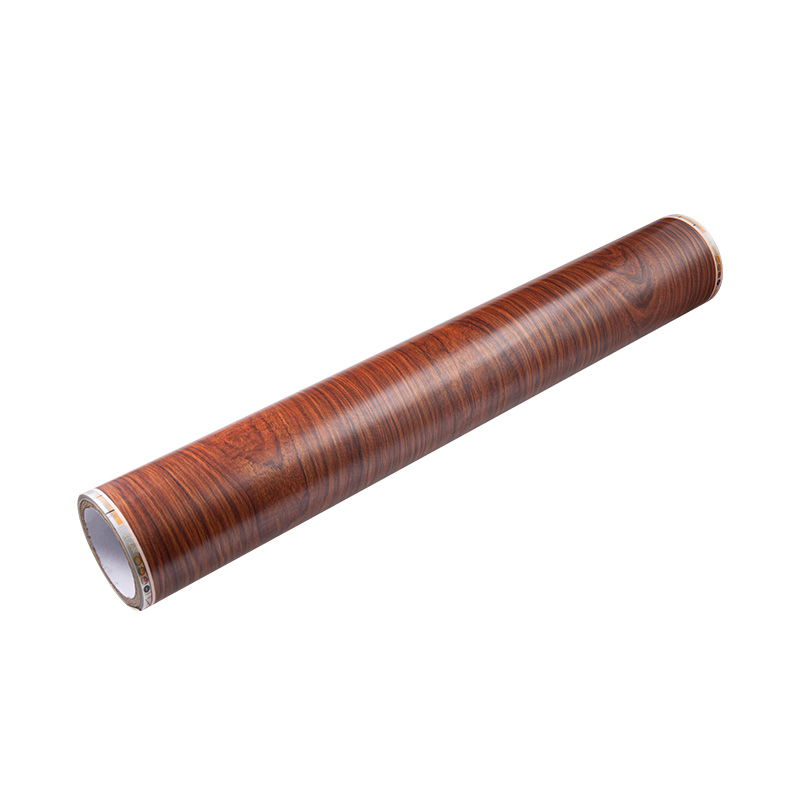
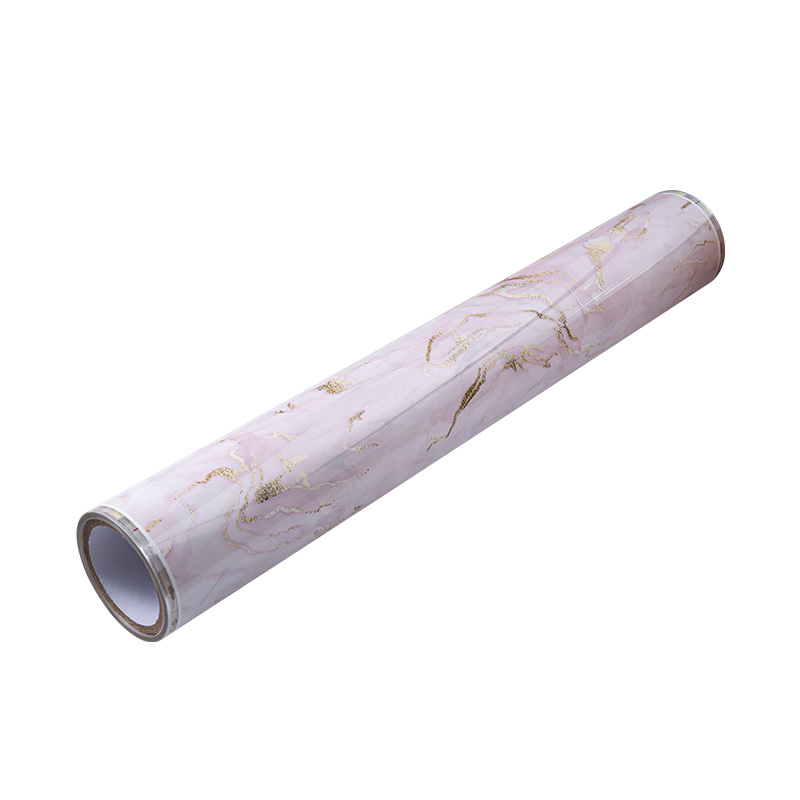
Decorative surfaces on plastics and composites have become a focus in modern manufacturing, where appearance and durability are both important considerations. PVC Hot Stamping Foil and Heat Resistant Hot Stamping Foil are materials designed to support this demand, offering a method to apply patterns and textures onto surfaces such as WPC, PVC, ABS, and other suitable substrates. The application of these foils provides manufacturers with tools to achieve consistent designs while addressing the challenges posed by outdoor exposure and temperature variations.
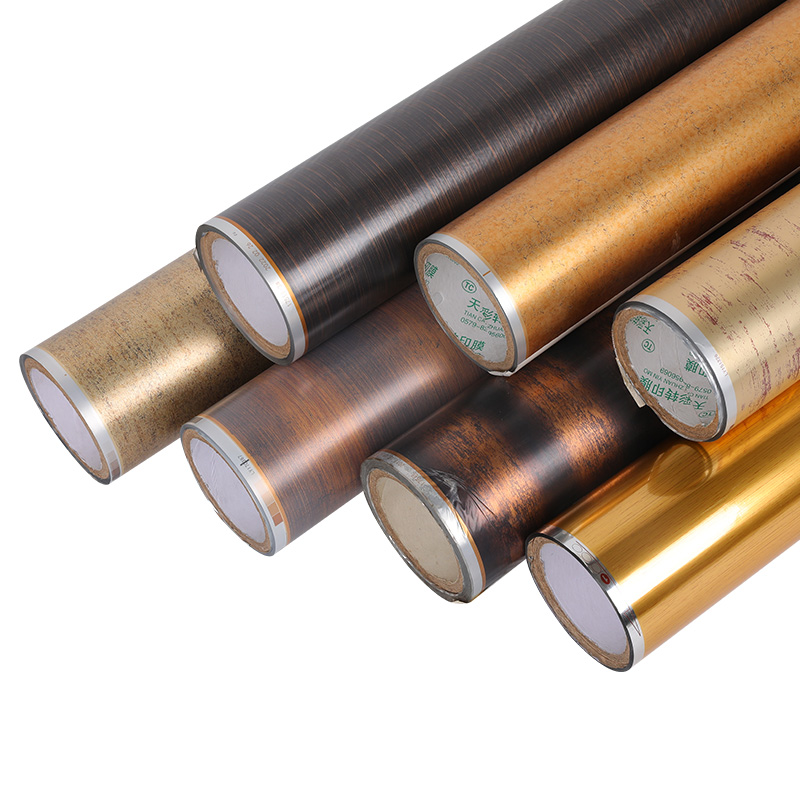
The effectiveness of hot stamping foils relies on the transfer process, which involves the controlled application of heat and pressure. For PVC Hot Stamping Foil, careful temperature management ensures that the foil adheres properly without deforming the substrate. Heat Resistant Hot Stamping Foil is formulated to withstand higher processing temperatures, making it suitable for surfaces that may be exposed to elevated heat during production or usage. Consistent transfer helps maintain the clarity of patterns, whether they are metallic, stone-like, or other decorative effects.
These foils are compatible with a range of materials commonly used in architectural and industrial applications. PVC Hot Stamping Foil works well on plastic panels, composite cladding, and fencing materials, providing decorative finishes without altering the base material’s integrity. Heat Resistant Hot Stamping Foil extends the range of applications to include surfaces that experience higher temperatures during molding or installation, such as certain ABS panels or metal-coated composites. Some variants can also be applied to wood or metal surfaces, offering flexibility for multi-material projects.
One advantage of using specialized hot stamping foils is their ability to maintain appearance under environmental exposure. Designs created with these foils show stability against UV light and weather conditions, reducing the frequency of surface touch-ups or replacements. While not completely impervious to wear, the foils can provide a consistent decorative layer that retains its color and pattern clarity over time. Manufacturers benefit from predictable outcomes, as foils reduce variability compared to manual painting or coating methods.
When implementing hot stamping foils, attention to process parameters can influence the outcome. Temperature, pressure, and dwell time must be adjusted according to the type of substrate and foil. PVC Hot Stamping Foil generally requires moderate heat settings, whereas Heat Resistant Hot Stamping Foil allows for slightly higher temperatures without risk of distortion. Proper calibration ensures the pattern transfers evenly and prevents defects such as bubbling, peeling, or incomplete coverage. Additionally, foil selection should consider substrate surface texture and any existing coatings, as these factors affect adhesion.
Hot stamping foils are widely used across sectors where decorative and functional surfaces intersect. In outdoor construction materials like decking, fencing, and cladding, foils provide patterns that mimic wood, stone, or metallic finishes without heavy material changes. In consumer products, foils are applied to plastic components to achieve consistent branding, textures, or aesthetic effects. By choosing the appropriate foil type, including heat resistant variants, manufacturers can tailor production to meet design and environmental requirements.
Consistency is another practical benefit of using hot stamping foils. Compared with painting or screen-printing, the foiling process allows repeated patterns to appear uniform across large quantities of parts. This is particularly useful for modular construction materials or product lines where visual uniformity is necessary. Following recommended handling and storage procedures for the foils also helps preserve their properties, ensuring that each batch performs similarly during production.
PVC Hot Stamping Foil and Heat Resistant Hot Stamping Foil provide practical solutions for enhancing surface decoration without significantly altering substrate characteristics. Through careful temperature and pressure control, proper foil selection, and attention to surface preparation, these materials help manufacturers achieve consistent, durable decorative finishes. Their compatibility with multiple materials and ability to maintain appearance under environmental conditions make them versatile tools for various production scenarios, supporting both aesthetic and functional requirements in modern manufacturing.

Contact Information
 +86-13665889229
 +86-0579-89123153
 Ditian Industrial Park, Xiaoshun Town, Jindong District, Jinhua City, Zhejiang, China.
Get in Touch
Copyright © Jinhua Zengcai Decoration Materials Co., Ltd. All Rights Reserved.
 Wholesale Hot Stamping Foil


 English
 中文简体
中文简体 عربى
عربى