Industry News
 Home / News / Industry News / How Does Plastic Hot Stamping Foil Fit Flexible Packaging Innovations?
  2026.05.01
 Industry News
Shifts in packaging design have brought flexible materials into wider use across food, personal care, and consumer goods sectors. As structures become thinner, lighter, and more adaptable, the need for compatible surface decoration methods has grown as well. In this context, Plastic Hot Stamping Foil and Heat Resistant Hot Stamping Foil are applied to flexible films, pouches, and wraps where traditional printing may not always meet specific design or process needs. Their role is shaped by how well they adapt to bending surfaces, layered materials, and fast-moving production environments.
Flexible packaging has evolved to include multi-layer films, recyclable structures, and thinner materials that reduce overall weight. These innovations often involve combinations of polyethylene (PE), polypropylene (PP), polyester (PET), and barrier layers such as EVOH or aluminum coatings. Each of these materials behaves differently under heat and pressure.
As packaging becomes more flexible, it also becomes more sensitive to mechanical stress. Surfaces may stretch, compress, or shift slightly during production and handling. This creates challenges for applying decorative elements, as the material does not remain completely stable during processing.
Plastic hot stamping foil fits into this landscape by offering a method of transferring decorative or functional layers without requiring liquid inks or extended drying times. Heat resistant variants are often used when flexible packaging is exposed to higher processing temperatures or when the production line includes sealing stages that introduce additional heat.
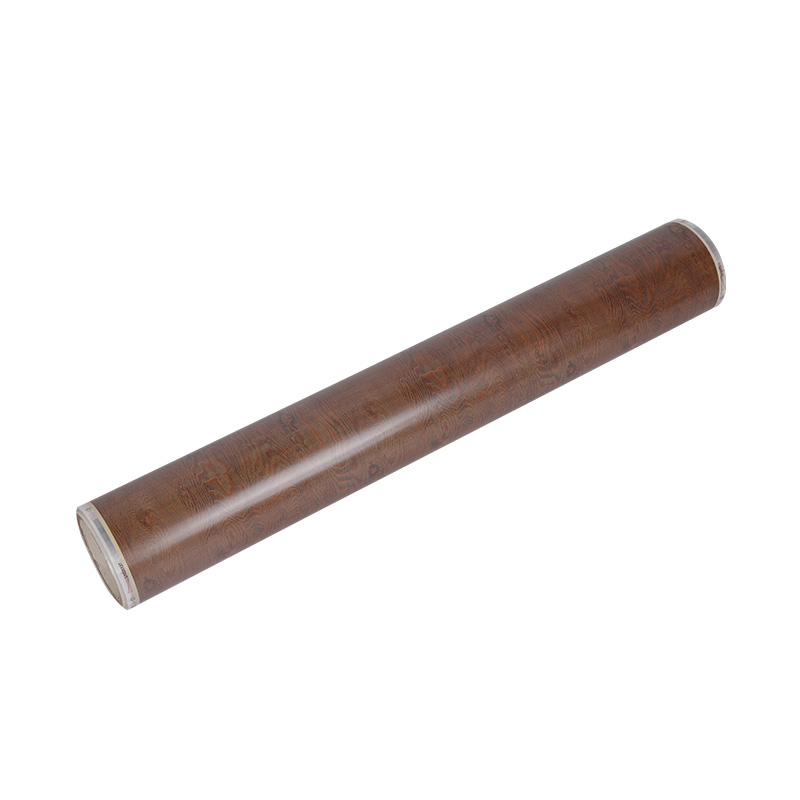
Unlike rigid substrates, flexible packaging materials are constantly moving and changing shape. During hot stamping, the foil must transfer cleanly even if the surface is not completely flat or stable. This requires the adhesive layer to respond quickly to heat and pressure while maintaining contact with the substrate.
When the material bends, the transferred layer must also maintain its integrity without cracking or detaching. Plastic hot stamping foil is designed to create a thin decorative layer that can follow slight deformations in the substrate. However, performance depends on selecting a foil that matches the flexibility of the packaging material.
Heat resistant hot stamping foil is often used in situations where the material may still be warm or slightly softened from prior processing steps. Its structure allows it to maintain consistent transfer behavior even when the substrate temperature is not fully stabilized.
Flexible packaging innovations have introduced a variety of use cases for hot stamping foil. These include:
Each of these applications involves different handling conditions. For example, snack wrappers may move quickly through production lines, while pouches may undergo multiple forming and sealing steps. The foil must perform consistently across these variations.
Plastic hot stamping foil is commonly used where the packaging material is relatively stable and processing temperatures are moderate. Heat resistant foil is often selected when the packaging line includes heat sealing or when materials retain heat for longer periods.
Applying foil to flexible packaging requires careful alignment of process parameters. Since the material can deform under pressure, the balance between temperature, pressure, and dwell time becomes more sensitive than in rigid applications.
Important Factors to Monitor
Flexible films can soften quickly under heat. Temperature must be set to activate the adhesive without causing distortion.
Excessive pressure may stretch or damage thin films, while insufficient pressure can result in incomplete transfer.
Short dwell times are often used in high-speed lines, requiring the foil to respond quickly during transfer.
The tension of the film during processing affects how flat the surface remains, influencing transfer quality.
After stamping, the material may need time to stabilize before further handling to prevent distortion of the transferred layer.
These factors are typically adjusted through testing, especially when introducing new packaging materials or designs.
Many flexible packaging solutions rely on laminated films that combine multiple materials into a single structure. The outer layer, where the foil is applied, may include coatings designed for printing or protection.
The interaction between the foil adhesive and this outer layer is critical. If the surface includes a low-energy coating, adhesion may be more challenging. In such cases, selecting a foil designed to work within a broader temperature range can help improve bonding under varying conditions.
Heat resistant hot stamping foil is often used when these laminated structures are exposed to additional heat during sealing or forming. Its ability to maintain stable behavior under these conditions makes it suitable for multi-layer flexible packaging applications.

Contact Information
 +86-13665889229
 +86-0579-89123153
 Ditian Industrial Park, Xiaoshun Town, Jindong District, Jinhua City, Zhejiang, China.
Get in Touch
Copyright © Jinhua Zengcai Decoration Materials Co., Ltd. All Rights Reserved.
 Wholesale Hot Stamping Foil


 English
 中文简体
中文简体 عربى
عربى