Industry News
 Home / News / Industry News / Wholesale Hot Stamping Foil: Improves Packaging Detail for Retail Brands
  2026.05.08
 Industry News
Retail packaging continues to shift toward more refined surface decoration as brands look for clearer product differentiation on shelves and in online presentation images. Wholesale Hot Stamping Foil has become part of this transition by supporting decorative text, logos, and pattern finishing across cartons, labels, cosmetic boxes, paper bags, and flexible packaging materials. At the same time, Bronze Hot Stamping Foil is increasingly used for warm metallic effects in product lines connected to food packaging, gift boxes, stationery, and seasonal retail campaigns where visual texture matters alongside printing consistency.
Changes in packaging design are no longer focused only on color printing. Many retail buyers now request layered visual details that can be applied without significantly changing existing packaging structures. Foil stamping has therefore become a practical addition to standard printing processes, especially for medium- and large-volume packaging production.
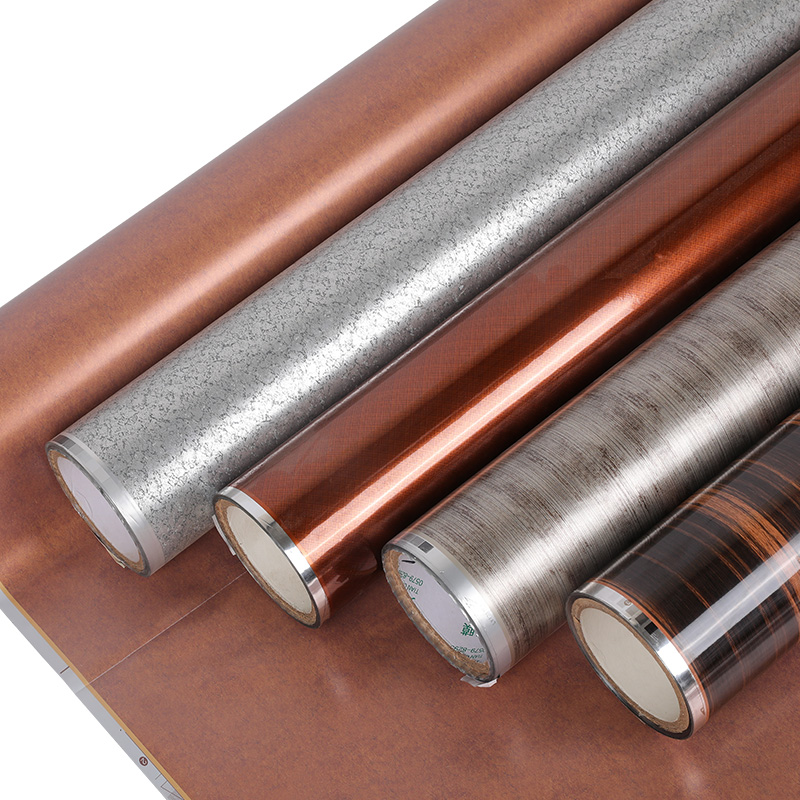
Packaging suppliers are under pressure to maintain stable decorative performance across different substrates and production batches. In retail environments, small visual inconsistencies can affect product presentation, especially when products are displayed under direct lighting or photographed for e-commerce listings. Traditional ink printing can sometimes struggle to create reflective effects or fine metallic borders on textured materials, which has increased interest in foil-based finishing technologies.
Wholesale Hot Stamping Foil is commonly selected because it can be adapted to coated paper, cardboard, synthetic paper, leather-like surfaces, and some plastic packaging films. Instead of depending entirely on high ink coverage, foil transfer allows metallic or pigmented layers to bond onto selected areas through heat and pressure. This creates a controlled decorative layer that helps maintain line sharpness and reflective appearance.
Bronze Hot Stamping Foil is often chosen for packaging projects that require a softer metallic tone compared with bright gold or silver finishes. In some retail categories, especially tea packaging, handmade goods, candles, notebooks, and boutique cosmetic products, bronze tones help packaging appear less reflective while still adding visible texture and contrast.
Packaging manufacturers have gradually adjusted foil specifications to fit shorter production cycles and more varied material combinations. Instead of using a single foil type across all packaging lines, converters now evaluate transfer temperature, pressure tolerance, adhesion behavior, and surface compatibility based on product category and substrate structure.
One notable change involves thinner carton materials used in lightweight retail packaging. Foils designed for high-temperature transfer may create edge deformation or inconsistent bonding on thinner stock. To address this, some packaging facilities now use foil layers developed for lower transfer temperatures and shorter dwell times.
The following table outlines several commonly discussed characteristics during foil selection:
|
Foil Property |
Packaging Production Consideration |
|
Transfer Temperature |
Influences compatibility with coated and thin paperboard |
|
Adhesion Stability |
Affects edge clarity after stamping |
|
Reflective Finish |
Determines appearance under shelf lighting |
|
Scratch Resistance |
Supports transportation and storage handling |
|
Roll Consistency |
Helps reduce interruptions during automated production |
|
Color Tone |
Matches branding and seasonal packaging themes |
Bronze Hot Stamping Foil is also being adapted for hybrid printing workflows where offset printing, UV printing, embossing, and foil stamping are combined in a single packaging layout. This approach allows packaging suppliers to create layered surface textures without requiring structural packaging redesign.
In practical production environments, foil selection is no longer based only on appearance. Packaging factories also examine machine compatibility, release performance, and maintenance impact. Foils with unstable transfer behavior can increase downtime during high-speed production runs, particularly when used on automatic stamping equipment.
The use of decorative foil has expanded beyond luxury packaging into mid-range retail products where branding visibility remains important but packaging costs must still remain manageable. Several industries have increased foil use in targeted packaging areas rather than full-surface coverage.
Applications currently seen in commercial packaging include:
Bronze Hot Stamping Foil is frequently used in packaging themes connected to natural materials, vintage-style branding, and muted color palettes. Because bronze shades reflect less aggressively than mirror gold finishes, designers often pair them with matte coatings, textured paper, or dark-colored cartons.
For packaging manufacturers handling multiple customer projects, foil flexibility also matters. Some wholesale foil products are supplied in widths and roll lengths compatible with both flatbed stamping systems and rotary stamping systems, helping converters manage different order volumes without large process adjustments.
Another developing area is short-run packaging for seasonal promotions and limited-edition retail products. Smaller production quantities require decoration methods that can still deliver visible surface detail without demanding entirely new printing plates or packaging molds. Foil stamping remains practical in these situations because decorative areas can often be adjusted more efficiently than redesigning full printed layouts.

Contact Information
 +86-13665889229
 +86-0579-89123153
 Ditian Industrial Park, Xiaoshun Town, Jindong District, Jinhua City, Zhejiang, China.
Get in Touch
Copyright © Jinhua Zengcai Decoration Materials Co., Ltd. All Rights Reserved.
 Wholesale Hot Stamping Foil


 English
 中文简体
中文简体 عربى
عربى