Industry News
 2026.04.03
 Industry News
Achieving consistent adhesion of decorative foils on composite materials involves understanding the interaction between the substrate, foil type, and application process. PVC Hot Stamping Foil and Bronze Hot Stamping Foil are widely used for panels, signage, and furniture components due to their ability to transfer detailed designs onto diverse surfaces. Adhesion quality determines not only the visual outcome but also the durability of the decorative layer. Factors such as surface preparation, foil selection, process settings, and environmental conditions all contribute to the consistency of the transfer.
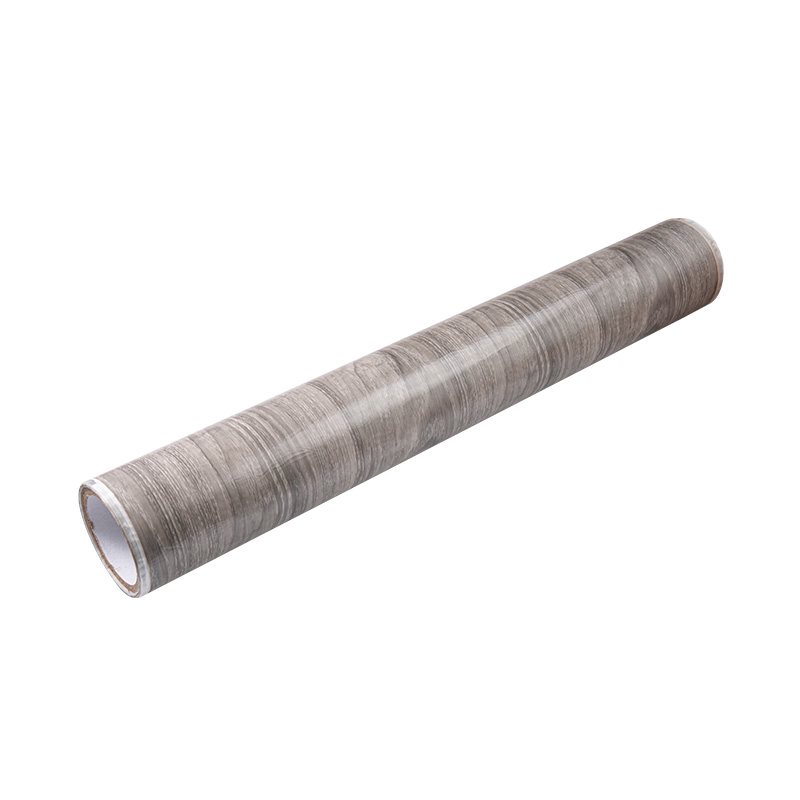
Composite materials vary in density, porosity, and surface texture, and these differences affect how the foil adheres. Smooth, uniform composites generally allow even bonding, while rough or highly textured surfaces may create areas of uneven adhesion. Surface preparation is a crucial step: composites should be cleaned to remove dust, oils, or release agents that can interfere with the adhesive. Light sanding or abrasion can improve contact on uneven areas, while cleaning with a soft, dry cloth or mild solvent ensures the surface is free of contaminants. Proper preparation supports even foil transfer and reduces the risk of partial adhesion or surface defects.
Not all foils behave the same way on composites, and choosing the appropriate variant can improve adhesion outcomes. Some Bronze Hot Stamping Foil formulations are more suited to smooth or dense composites, while specific PVC variants perform better on textured or flexible substrates. Factors to consider include adhesive type, foil thickness, and color stability. Heat-activated adhesives typically work well with uniform surfaces, whereas foils with pressure-sensitive layers may accommodate textured or fibrous composites. Foil thickness affects how the material conforms to surface irregularities, and consistent color helps maintain uniform appearance across multiple panels.
The application process itself is a major determinant of adhesion quality. Temperature, pressure, and dwell time should be set according to both the foil and the composite material. Moderate heat combined with steady pressure generally allows PVC Hot Stamping Foil to transfer designs without warping the substrate. Bronze foils on denser composites may require slightly higher temperatures or adjusted pressure to ensure the adhesive engages with the surface. Uniform pressure across the entire stamping area is necessary to prevent gaps or uneven color. Dwell time must be sufficient for the adhesive to bond fully but not so long as to affect the substrate’s surface properties.
Adhesion problems on composites can manifest in several ways, and understanding their causes helps in troubleshooting:
Addressing these issues often involves adjusting surface preparation methods, refining process parameters, or selecting a more suitable foil variant for the specific substrate.
Temperature and humidity in the production area can influence how well the foil adheres. High humidity can slightly increase the time needed for proper bonding, while low temperatures may require incremental adjustments to heat. For composites that will be used in semi-outdoor or exposed environments, choosing foils that tolerate moderate sunlight and moisture helps maintain the adhesive’s contact with the surface. Awareness of these environmental factors allows operators to configure stamping equipment and production schedules in a way that supports consistent results.
PVC and bronze hot stamping foils are used in decorative panels for furniture, interior trim, plastic decking, signage, and composite-based packaging. In these applications, consistent adhesion ensures the design remains intact during handling, transport, and daily use. While plastic surfaces allow sharper detail, composite panels can display subtle surface texture that influences the final appearance. Selecting foils that accommodate these variations helps maintain visual uniformity and reduces rework or material waste in production.
Several operational steps help maintain consistent adhesion across production batches. These include maintaining clean surfaces, calibrating stamping equipment for temperature and pressure, and conducting small-scale tests before full runs. Monitoring foil storage conditions prevents issues related to curl, adhesive degradation, or inconsistent thickness. Adjusting machine settings slightly for different composite batches can reduce variability without changing the foil itself. Regular attention to these practical steps improves the reliability of stamped surfaces over multiple production cycles.
Substrate preparation, including cleaning and sanding
Selection of appropriate foil type and thickness
Accurate temperature, pressure, and dwell time for the material
Surface texture and porosity of the composite panel
Environmental conditions such as humidity and ambient temperature
Equipment calibration and operational consistency
Understanding and controlling these factors ensures that PVC Hot Stamping Foil and Bronze Hot Stamping Foil bond uniformly to composite surfaces. Operators who focus on substrate characteristics, foil selection, process control, and environmental awareness can achieve consistent adhesion and maintain the intended decorative quality over multiple applications.

Contact Information
 +86-13665889229
 +86-0579-89123153
 Ditian Industrial Park, Xiaoshun Town, Jindong District, Jinhua City, Zhejiang, China.
Get in Touch
Copyright © Jinhua Zengcai Decoration Materials Co., Ltd. All Rights Reserved.
 Wholesale Hot Stamping Foil


 English
 中文简体
中文简体 عربى
عربى