PET Hot Stamping Foil Industry Knowledge Extension
PET Hot Stamping Foil: Versatility Across Industries
PET (Polyethylene Terephthalate) hot stamping foil is widely used due to its excellent durability and flexibility. It can adhere to a variety of substrates including paper, plastic, and textiles, making it suitable for multiple industrial applications. In packaging, PET hot stamping foil enhances product appearance, giving labels, tags, and boxes a metallic or reflective finish. In the textile industry, it is used to add decorative metallic patterns to garments or accessories. Manufacturers also utilize PET hot stamping foil for promotional items such as greeting cards, business cards, and book covers. The foil’s adaptability allows it to withstand different production processes, including high-speed stamping and continuous roll applications. On Google, current discussions revolve around improving adhesion on complex surfaces, selecting foil thickness for specific applications, and achieving consistent color intensity across batches.
Bronze Hot Stamping Foil: Adding Elegance to Designs
Bronze hot stamping foil is popular for adding a metallic look that conveys a sense of refinement to products. It is frequently used in high-end packaging, including cosmetics, food products, and gift boxes. The foil’s bronze tones are effective for creating labels, invitations, and decorative accents that require a premium appearance without using actual metal. Current industry attention focuses on achieving uniform metallic sheen, compatibility with different adhesives, and resistance to abrasion or heat during post-production processes. Designers also look for foil options that maintain color stability over time. Bronze hot stamping foil can be applied to both paper and plastic surfaces, which makes it versatile for mixed-material packaging and promotional items.
Plastic Hot Stamping Foil: Durable and Decorative
Plastic hot stamping foil is engineered for plastic substrates such as ABS, PP, PS, and PVC. It allows manufacturers to add decorative and functional finishes to plastic components in industries such as automotive, electronics, and consumer products. The stamping process transfers the foil onto the plastic using heat and pressure, resulting in a finish that is resistant to wear and environmental factors. Common applications include electronic device casings, automotive trims, and household products. Online searches often highlight questions about adhesion issues on low-surface-energy plastics, temperature control during stamping, and compatibility with injection-molded parts. The plastic hot stamping foil industry also emphasizes developing foils with varied textures, including matte, glossy, and brushed finishes, to meet evolving design trends.
Wood Grain Hot Stamping Foil: Achieving Natural Aesthetics
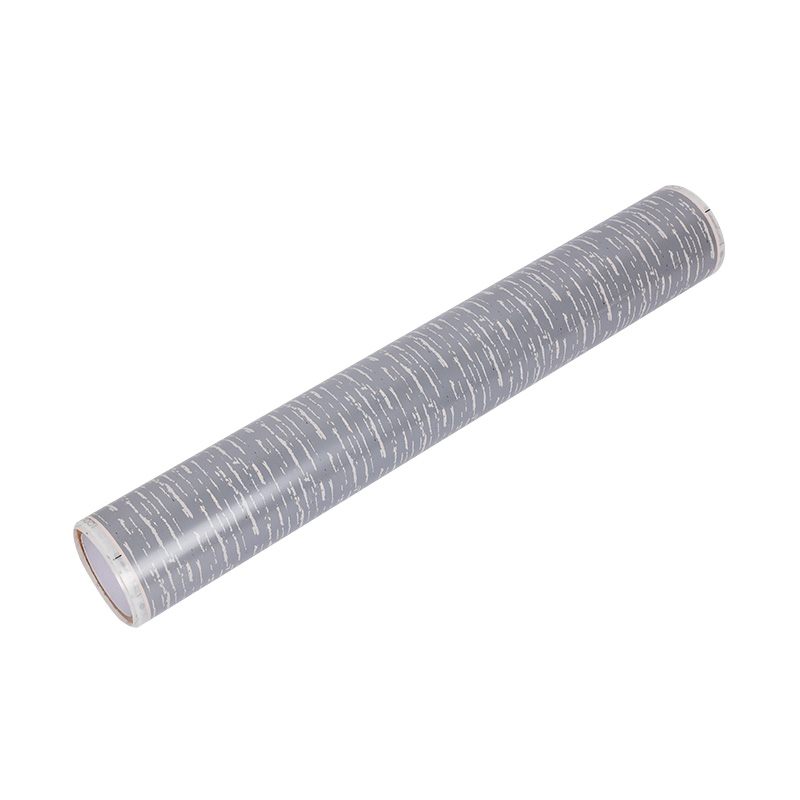
Wood grain hot stamping foil replicates the appearance of natural wood on surfaces such as MDF, PVC, and WPC. It is widely used in furniture manufacturing, interior decorative panels, and cabinetry. This type of foil provides a realistic wood texture without the cost, weight, and maintenance of natural wood. Industry discussions on Google include selecting the correct grain pattern for specific applications, controlling foil adhesion on textured substrates, and achieving consistent color and gloss across large panels. Manufacturers often combine wood grain foils with other decorative foils to produce multi-material furniture pieces or wall panels. Wood grain hot stamping foil contributes to eco-friendly manufacturing by reducing the use of natural timber while delivering aesthetically pleasing results.
Furniture Hot Stamping Foil: Enhancing Home Décor
Furniture hot stamping foil allows for intricate designs, logos, and patterns to be applied to furniture surfaces, such as tables, chairs, cabinets, and decorative trims. This process enhances the visual appeal of furniture and can be used for both modern and traditional styles. In current industry conversations, key concerns include the foil’s heat resistance during post-production processes, compatibility with lacquers and varnishes, and maintaining the foil’s durability in daily use. Furniture designers and manufacturers are also interested in foil options that allow rapid customization for small-batch production, enabling unique textures, metallic effects, or patterned finishes. By integrating furniture hot stamping foil, businesses can differentiate their products while keeping production costs manageable.
PS Hot Stamping Foil: Ideal for Polystyrene Applications
PS (Polystyrene) hot stamping foil is specifically designed for application on polystyrene substrates, which are commonly used for packaging, disposable containers, and decorative items. PS hot stamping foil provides a glossy, durable finish that enhances the visual appeal of products while maintaining surface integrity. Key considerations for this foil type include achieving strong adhesion without warping the polystyrene, selecting proper stamping temperatures, and avoiding color inconsistencies. Discussions on Google indicate interest in specialty foils for high-contrast metallic effects and environmental compliance for disposable packaging. PS hot stamping foil remains a practical solution for businesses aiming to elevate the look of polystyrene products efficiently.



 English
 中文简体
中文简体 عربى
عربى